Analyzing the 2025 Q4 U.S. Life Sciences Job Market Report: Signs of Stabilization and Future Outlook

The U.S. life sciences sector exhibited cautious optimism at the end of 2025, with job market indicators suggesting a meaningful shift towards stability. This review explores the key takeaways from BioSpace’s latest quarterly report and what they imply for industry employment trends and economic health.
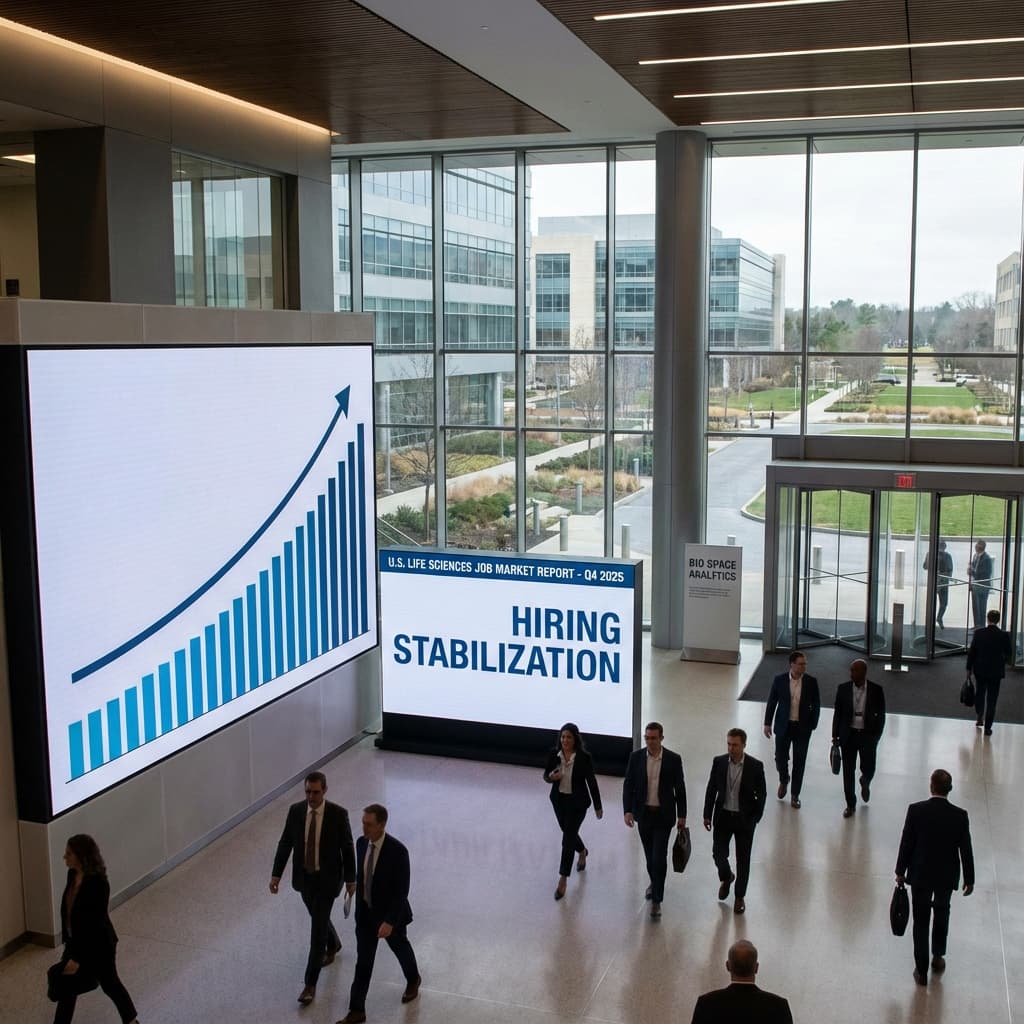
The U.S. life sciences job market has experienced tumultuous changes in recent years, reflecting broader economic trends, technological advancements, and evolving industry demands. As summarized in BioSpace’s 2025 Q4 Job Market Report, the latest data suggests an encouraging trend toward stabilization, painting a cautiously optimistic picture for biopharma hiring moving into 2026.
Key Highlights from the Q4 2025 Report
The report highlights several critical indicators that provide insight into the sector’s labor dynamics:
- Modest Gains in Job Postings: After facing headwinds earlier, the industry saw an uptick in open positions, signaling renewed hiring interest.
- Slowing Layoffs: The rate of workforce reductions slowed compared to previous quarters, suggesting companies are becoming more confident in maintaining staff.
- Improving Market Sentiment: Feedback from employers and analysts points to a cautiously optimistic outlook, influenced by steady clinical progress and capital market conditions.
Contextualizing the Stabilization Signs
The life sciences industry has traditionally been sensitive to macroeconomic shifts. Factors such as venture capital availability, regulatory changes, and public health priorities directly impact hiring patterns. The modest gains in job postings may reflect strategic staffing focused on promising pipelines and commercial expansion.
The slowing layoffs indicate a shift from reactive cost cutting to proactive talent retention. This is essential in a sector where specialized skills are crucial and turnover can undermine project continuity and innovation.
Sentiment and Market Dynamics
Sentiment improvements stem from several sources. Companies benefit from advancing clinical trials, regulatory clarity, and stable investor confidence, all contributing to a more favorable employment environment.
However, caution remains warranted. The cautious tone underscores potential external risks like geopolitical tensions, inflation, and shifting healthcare policies that could affect budgets and hiring plans.
Implications for Job Seekers and Employers
For job seekers, the report suggests emerging opportunities across research, development, and manufacturing roles. Networking and skills enhancement remain vital, given competitive standards.
Employers are likely to focus on targeted recruitment, investing in key growth areas such as cell and gene therapies, digital health, and precision medicine.
Conclusion
While 2025 closed on a hopeful note for U.S. life sciences employment, continued monitoring is necessary to gauge the sector’s resilience fully. The fourth-quarter indicators provide a valuable snapshot that sets the stage for a potentially more stable and growth-oriented 2026.
For more detailed insights and ongoing updates on labor market trends in biopharma, review the full report here.
Join the BioIntel newsletter
Get curated biotech intelligence across AI, industry, innovation, investment, medtech, and policy—delivered to your inbox.