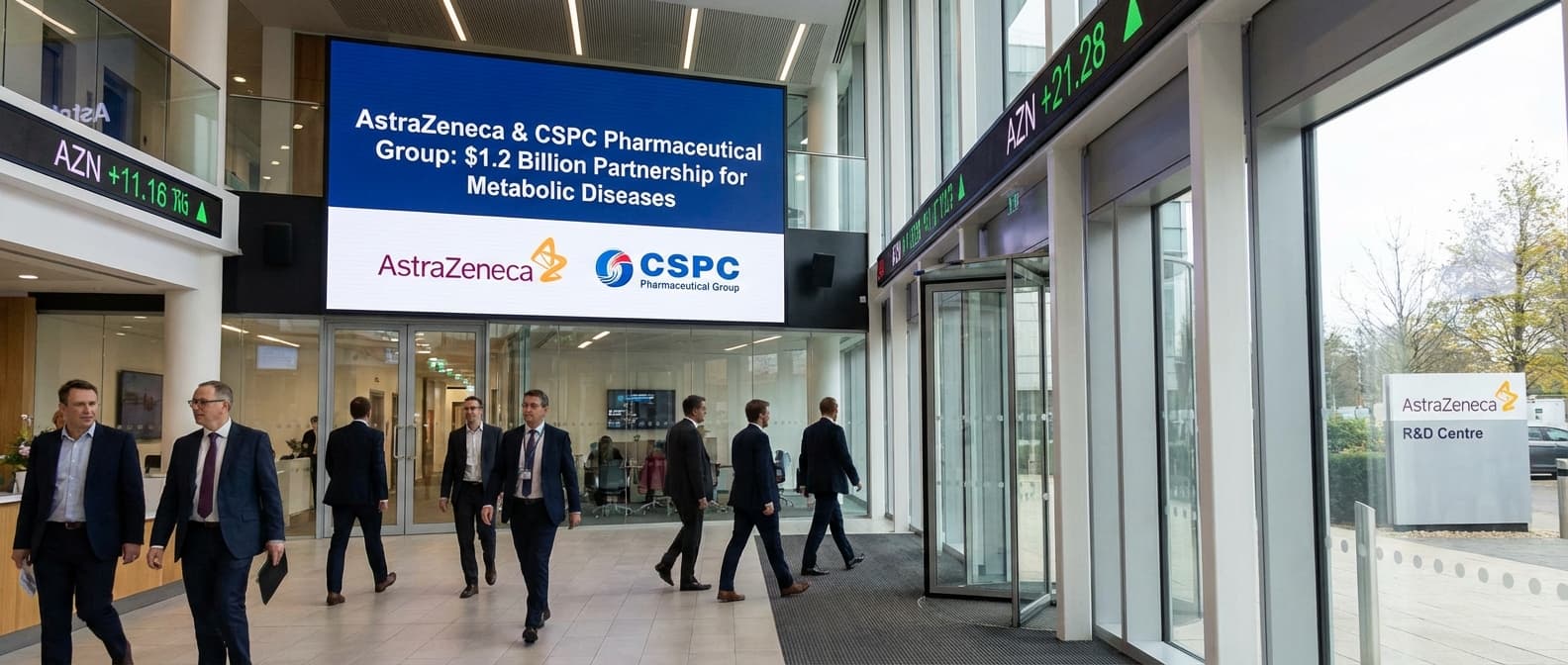
AstraZeneca Expands Metabolic Disease Portfolio with $1.2B CSPC Partnership

The collaboration between AstraZeneca and CSPC Pharmaceutical Group marks an important step in the fight against metabolic diseases, leveraging innovative drug candidates and a strong development pipeline. This post explores the implications of the deal, the competitive landscape in obesity and diabetes treatment, and the potential impacts on patient care and pharmaceutical innovation.
AstraZeneca's recent partnership with CSPC Pharmaceutical Group represents a major strategic investment in the rapidly evolving metabolic disease space, particularly targeting obesity and diabetes. The agreement, valued at $1.2 billion, underscores AstraZeneca's commitment to expanding its portfolio with innovative therapeutics aimed at addressing global health challenges related to metabolic conditions.
The deal notably includes access to a Phase 1-ready obesity drug candidate that targets the same pathways as Eli Lilly's Zepbound, which utilizes GLP-1 and GIP receptor agonism. However, AstraZeneca's candidate distinguishes itself with a monthly dosing regimen, potentially improving patient adherence and convenience compared to more frequent dosing schedules. This advancement aligns with broader pharmaceutical industry trends emphasizing patient-centric delivery methods.
Building upon an existing research and development collaboration, this partnership fortifies AstraZeneca's position in a market with escalating demand for effective and durable obesity and diabetes treatments. Globally, metabolic diseases continue to be a significant cause of morbidity and healthcare expenditure, further highlighting the critical need for novel therapies.
Beyond the scientific and medical implications, this deal reflects the increasingly collaborative nature of pharmaceutical innovation, where multinational partnerships enable shared expertise, resources, and risks. By combining AstraZeneca's global reach with CSPC's drug candidates and development capabilities, the collaboration aims to accelerate bringing new treatments to market.
Such partnerships may also influence competitive dynamics in the metabolic disease drug sector, as companies strive to innovate in targeting obesity, diabetes, and related conditions. With obesity rates rising worldwide and diabetes prevalence growing, there is a pressing need for more effective therapeutic options.
The inclusion of a Phase 1 obesity drug highlights the continuing evolution of obesity pharmacotherapy beyond traditional approaches, potentially offering improved efficacy and patient experience. With the pharmaceutical landscape intensifying around GLP-1/GIP agonists, AstraZeneca's monthly dosing candidate could be a significant differentiator.
This collaboration signals the intensifying commitment of major pharmaceutical firms to tackling metabolic diseases through advanced biotechnology and drug development programs. As clinical trials progress and regulatory pathways unfold, the industry and healthcare providers will be closely watching the outcomes and potential impacts on treatment paradigms.
This development also exemplifies the strategic investment decisions pharmaceutical companies make to expand portfolios in growth areas while leveraging partnerships to mitigate development risks and accelerate innovation timelines.
In conclusion, AstraZeneca's $1.2 billion partnership with CSPC Pharmaceutical Group signals a robust advancement in metabolic disease therapeutics, promising new treatment options with innovative dosing regimens. It exemplifies the pharmaceutical industry's ongoing efforts to meet complex health needs through collaborative development strategies and cutting-edge science.
Source: MedCity News
Join the BioIntel newsletter
Get curated biotech intelligence across AI, industry, innovation, investment, medtech, and policy—delivered to your inbox.