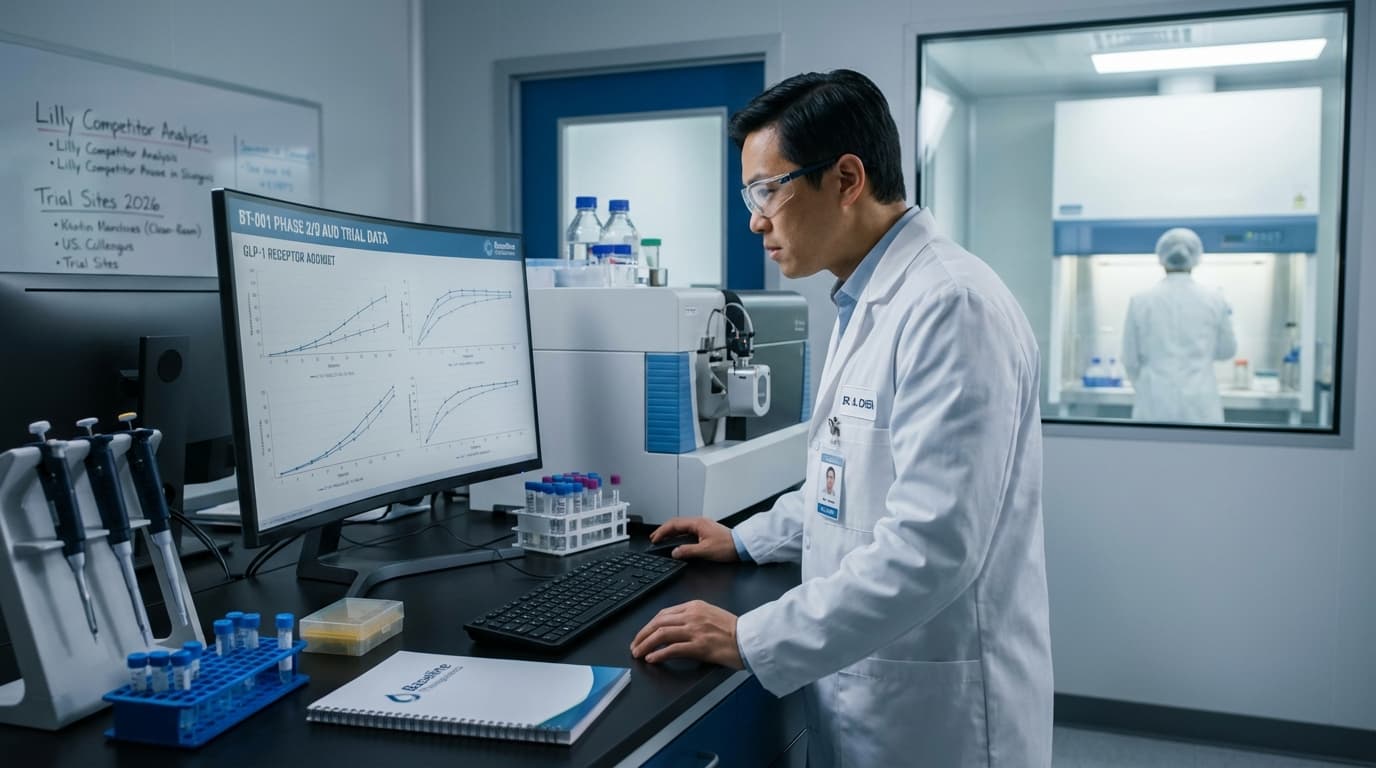
Baseline Therapeutics Enters the Fray Against GLP-1 Leader Lilly for Alcohol Use Disorder Treatment

Emerging biotech Baseline Therapeutics is positioning itself as a challenger in the development of GLP-1–based therapies for alcohol use disorder. Their lead asset, BT-001, is set to enter late-stage clinical trials, marking a significant step in tackling addiction through novel mechanisms.
Baseline Therapeutics has recently debuted with a strategic focus on developing GLP-1 (glucagon-like peptide-1) receptor agonist therapies to treat alcohol use disorder (AUD), a field currently dominated by pharmaceutical giant Eli Lilly. This development reflects growing interest in applying GLP-1 targeted approaches beyond metabolic diseases into complex neuropsychiatric conditions such as addiction.
Background on GLP-1 Therapies in Addiction Treatment
GLP-1 receptor agonists have been widely successful in treating type 2 diabetes and obesity due to their effects in regulating glucose metabolism and appetite. Recently, there has been expanding research into their role in modulating reward pathways in the brain, suggesting potential benefits for substance use disorders including AUD.
Eli Lilly has been a major player, moving GLP-1 based therapies through clinical development aimed at addiction treatment. Baseline Therapeutics' entry introduces new competition that could accelerate therapeutic innovation and broaden treatment options.
Baseline Therapeutics and BT-001
Although Baseline Therapeutics has not disclosed the exact figures regarding their initial capital, the startup has announced plans to utilize their funding to advance BT-001, their GLP-1 receptor agonist candidate, into late-stage developmental trials. These trials are anticipated to begin within the current year, marking a critical milestone for the company and the AUD therapeutic landscape.
Planned Clinical Trials
Baseline Therapeutics will be conducting two clinical trials in 2026 designed to assess the safety and efficacy of BT-001 in patients suffering from alcohol use disorder. The specifics on trial design, including phases, populations, endpoints, and comparator arms, have yet to be fully disclosed but are eagerly awaited by the scientific and medical communities.
The Competitive Landscape
AUD remains a challenging condition with high relapse rates and limited approved treatments, underscoring the need for novel therapeutic strategies. Eli Lilly’s ongoing development programs for GLP-1 based AUD treatments have garnered significant attention from investors and healthcare stakeholders.
Baseline’s strategic move to challenge the incumbent signals confidence in BT-001’s potential benefits and may catalyze innovation within the space. Increased competition typically leads to heightened research activity, expanded clinical trials, and ultimately more robust treatment options for patients.
Implications for Patients and Healthcare
If successful, BT-001 and similar GLP-1 receptor agonists could represent a transformative approach to managing AUD by targeting underlying neurochemical pathways associated with addiction and craving. This could improve treatment adherence, reduce relapse rates, and enhance quality of life for patients.
Moreover, the development of GLP-1 therapeutics for AUD reflects the broader trend of repurposing metabolic drugs to address neuropsychiatric disorders, expanding their impact across multiple domains.
Conclusion
Baseline Therapeutics' launch and ambitious drug development plans position it as a noteworthy entrant in the pursuit of effective alcohol use disorder treatments via GLP-1 mechanisms. With two pivotal trials slated for this year, the company's progress warrants close observation as it could influence the future therapeutic landscape for addiction medicine.
Source: Baseline Debuts to Challenge GLP-1 Giant Lilly in Alcohol Use Disorder
Join the BioIntel newsletter
Get curated biotech intelligence across AI, industry, innovation, investment, medtech, and policy—delivered to your inbox.