Big Pharma’s API Stockpile Deals: Navigating Confidentiality and Public Interest

As global health dynamics evolve, securing drug ingredient supplies is a strategic priority. This post examines the emerging trend of API stockpiling by major biopharma players under government agreements, highlighting the implications of limited transparency in these collaborations.
The pharmaceutical industry is at the forefront of national and global health security, particularly given recent lessons from pandemic and supply chain disruptions. One significant strategy gaining traction is the establishment of stockpiles of active pharmaceutical ingredients (APIs), critical components for medication manufacturing.
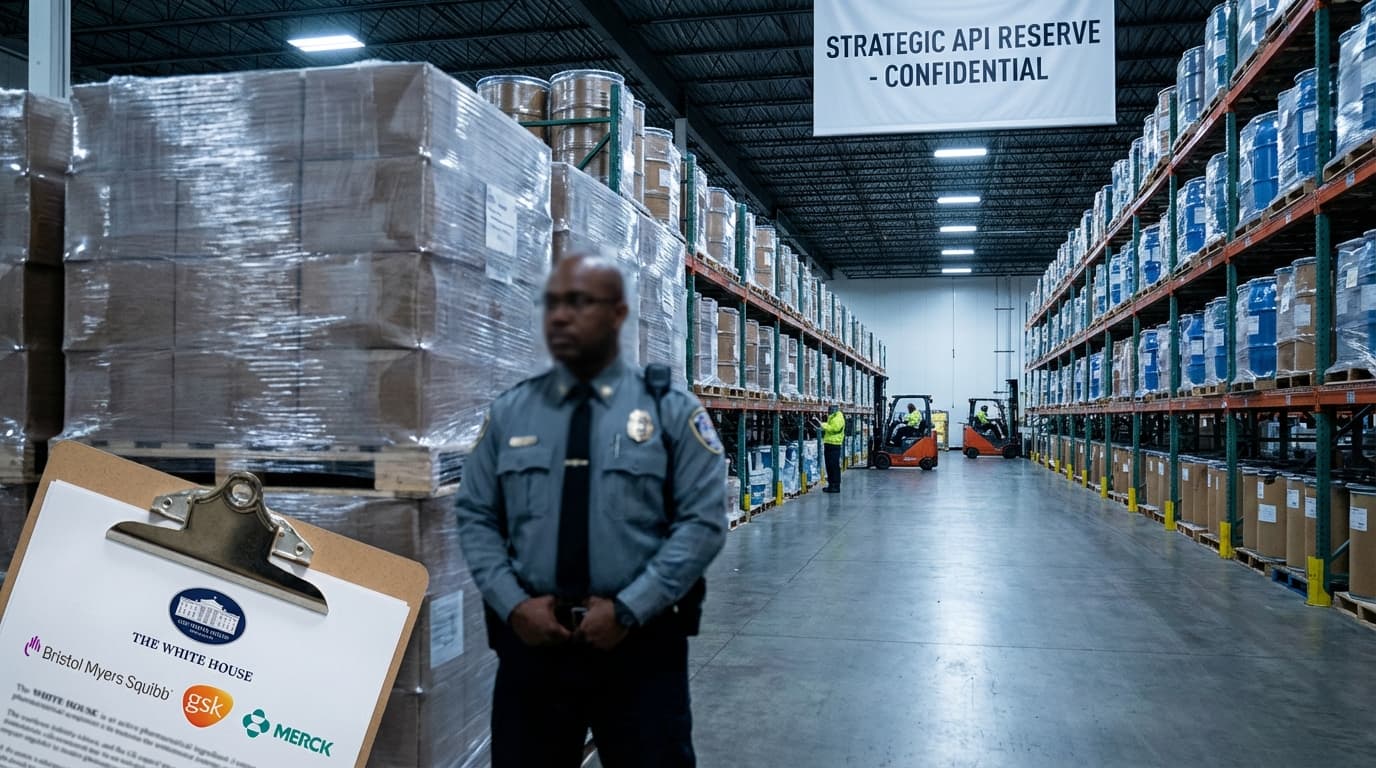
Several major players, including Bristol Myers Squibb, GlaxoSmithKline (GSK), and Merck, are reportedly contributing to these API stockpiles under agreements with the White House. However, despite the magnitude of these alliances, many terms remain undisclosed, reflecting a cautious balance between corporate confidentiality and public interest.
Why API Stockpiles Matter APIs are the fundamental building blocks of drugs, and their availability directly impacts drug production capabilities. Disruptions in API supply chains have previously led to drug shortages and increased costs, underscoring the strategic importance of stockpiling these materials.
Governments and industry stakeholders aim to mitigate risks associated with geopolitical tensions, natural disasters, and manufacturing bottlenecks by creating buffer reserves. These stockpiles can guarantee continuity in patient care and national readiness during emergencies.
Secrecy in Deal Terms: Implications and Concerns While the collaboration between government entities and pharmaceutical companies is vital, the opacity surrounding deal specifics has raised concerns among policymakers, industry analysts, and the public. Confidentiality clauses likely protect proprietary information and competitive advantage; however, they may also obscure accountability and equitable access considerations.
This lack of transparency challenges public oversight and fuels skepticism about whether stockpiling prioritizes broad health security goals or corporate interests. Discussions continue regarding how to balance these competing priorities while maintaining trust and effectiveness.
Looking Ahead: Balancing Transparency and Security Going forward, stakeholders must negotiate frameworks that enhance transparency without compromising competitive innovation or security protocols. Regulatory bodies may need to establish guidelines that clarify reporting requirements and stakeholder engagement in these arrangements.
Furthermore, industry and government partnerships could benefit from more publicly accessible metrics on the impact and management of API stockpiles, ensuring that these reserves fulfill their intended role in safeguarding public health.
In conclusion, the partnerships forming API stockpiling deal a significant step in strengthening drug supply resilience. Yet, as these arrangements develop, managing confidentiality and public accountability remains a delicate and critical endeavor.
Source: https://www.biospace.com/policy/big-pharma-tight-lipped-on-details-of-api-stockpile-deals
Join the BioIntel newsletter
Get curated biotech intelligence across AI, industry, innovation, investment, medtech, and policy—delivered to your inbox.