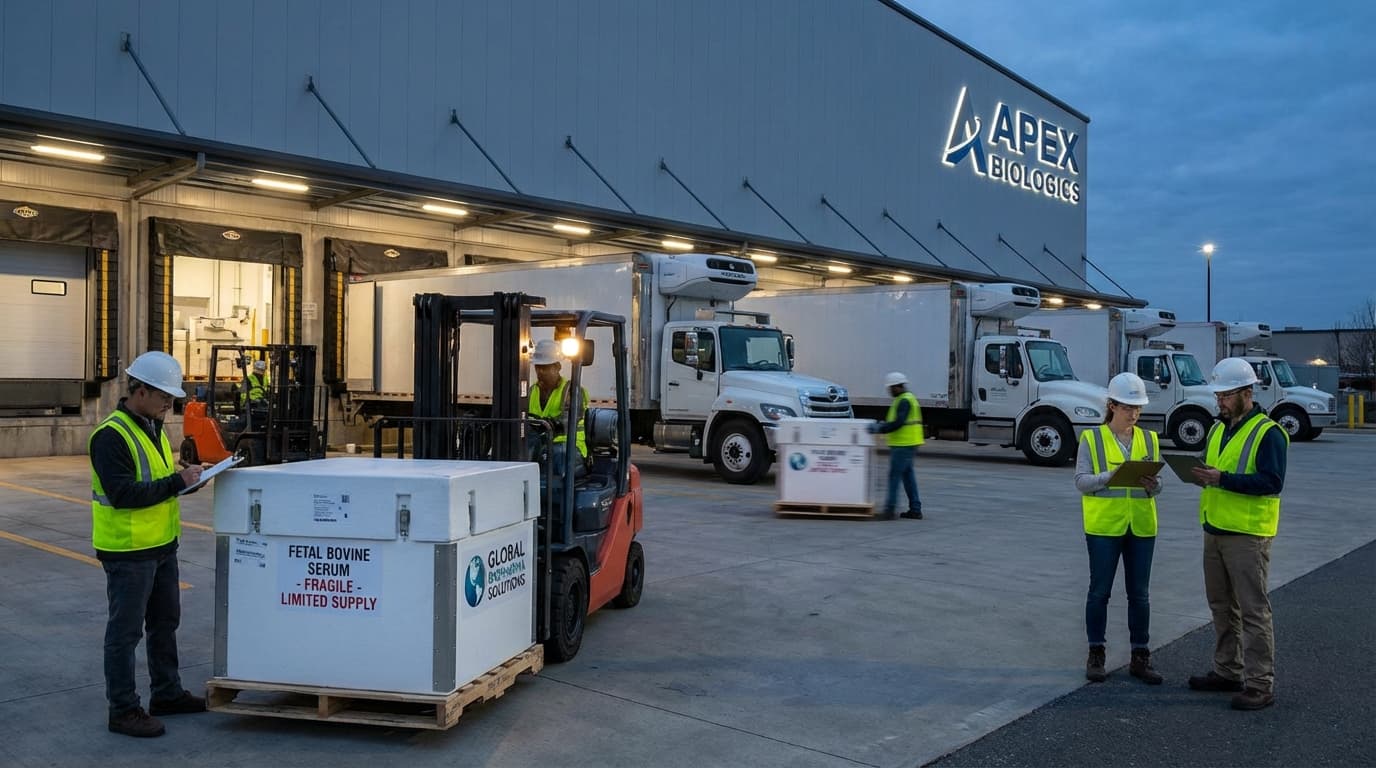
Biopharma Must Navigate the Fetal Bovine Serum Shortage Impacting Drug Development

The fetal bovine serum shortage is posing significant supply chain challenges across the biopharma sector. This article analyzes the implications of the squeeze on drug prices and discusses mitigation strategies companies can adopt to reduce impact.
The biopharmaceutical industry relies heavily on fetal bovine serum (FBS), a key reagent derived from bovine fetuses, extensively used to culture cells for drug development and manufacturing. Recently, the sector has been grappling with a pronounced shortage of fetal bovine serum, causing considerable disruption across production pipelines and threatening to escalate drug development costs substantially.
FBS plays an indispensable role in the growth media formulation for cell cultures, nurturing cells that produce monoclonal antibodies, viral vectors, recombinant proteins, and other complex biologics. The supply squeeze results from numerous factors including increased regulatory scrutiny over animal-derived materials, constraints on slaughterhouses supplying fetal material, and rising demand from burgeoning cell therapies and vaccine production.
This tightening supply chain is poised to raise the cost of raw materials for drug makers that depend on serum-based processes. The resulting cost pressures inevitably funnel toward higher drug prices, potentially impacting patient access and healthcare budgets globally. Manufacturers are thus compelled to innovate alternative strategies to safeguard supply continuity.
One approach gaining traction is the development and adoption of serum-free or chemically defined media that can reduce or eliminate reliance on FBS. These media formulations offer a more consistent and scalable solution, minimizing the variability inherent to animal-sourced components. Though transitioning to serum-free systems requires upfront investment and revalidation efforts, the long-term benefits in cost control and supply security are compelling.
Moreover, companies are exploring enhanced supplier partnerships to secure prioritized allocations and invest in expanding sources of high-quality serum. Efforts to improve transparency and quality control in fetal bovine serum procurement also help mitigate regulatory risks associated with animal-sourced inputs.
The serum shortage highlights broader vulnerabilities in biological supply chains that biopharma firms must confront. As personalized medicines and advanced biologics complicate manufacturing, the industry’s reliance on finite natural resources calls for strategic innovation and resilient sourcing frameworks.
In conclusion, the fetal bovine serum shortage represents a formidable industrial challenge but also a catalyst for transformative change. By embracing alternative media technologies and diversified sourcing strategies, biopharmaceutical companies can alleviate supply pressures, stabilize costs, and continue to deliver innovative therapies to patients worldwide.
This multifaceted issue underscores the necessity for ongoing dialogue among manufacturers, suppliers, and regulators to ensure sustainable, ethical, and efficient production of biologics in the evolving healthcare landscape.
Source: https://www.biospace.com/business/opinion-biopharma-must-cope-with-the-fetal-bovine-serum-squeeze
Join the BioIntel newsletter
Get curated biotech intelligence across AI, industry, innovation, investment, medtech, and policy—delivered to your inbox.