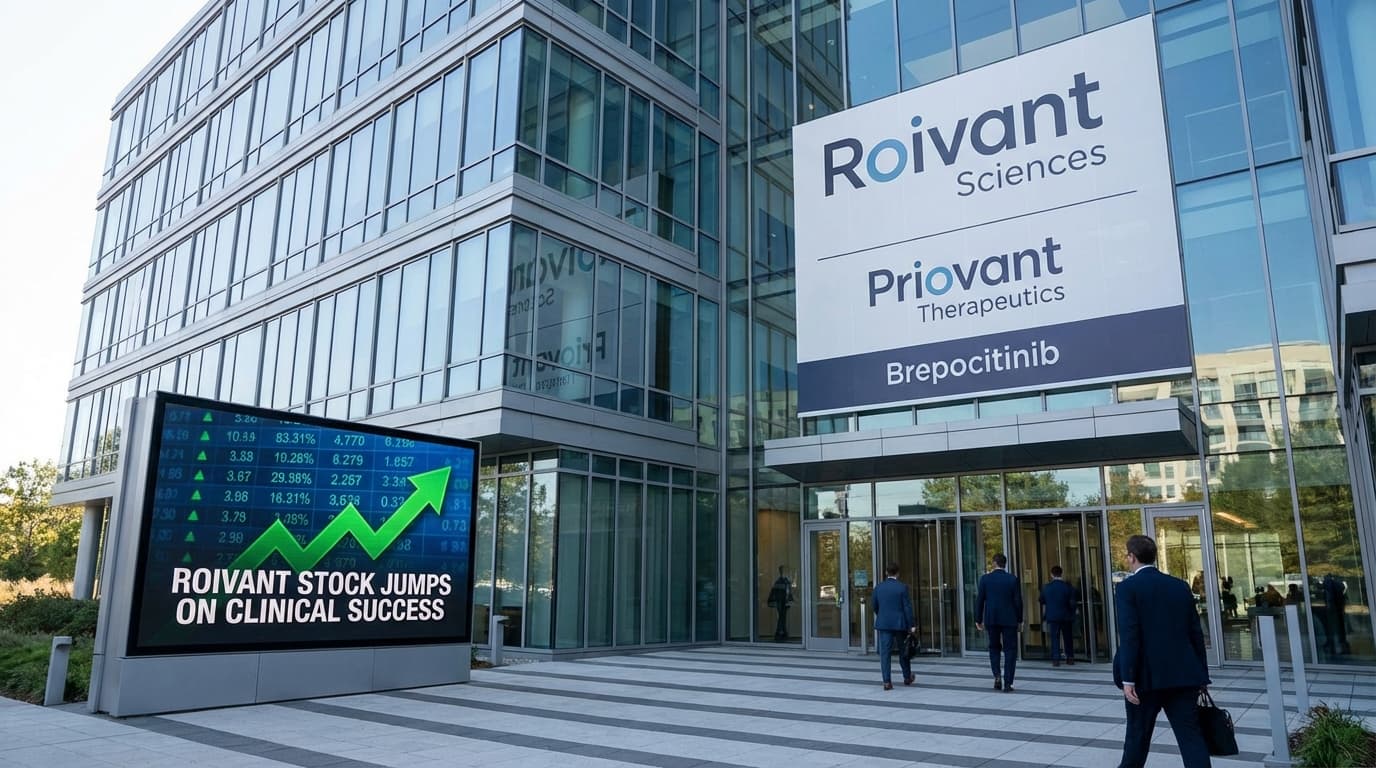
Clinical Trial Success Boosts Prospects for Roivant’s Rare Disease Drug Licensed from Pfizer

The recent proof-of-concept clinical trial results for brepocitinib mark a pivotal milestone for Roivant’s rare disease pipeline. Licensed from Pfizer, this dual JAK1 and TYK2 inhibitor demonstrated promising outcomes in cutaneous sarcoidosis, an area of high unmet medical need with no FDA-approved therapies, positioning the drug on a path toward pivotal testing and potential blockbuster status.
Introduction
The landscape of rare disease therapeutics has witnessed an encouraging development with Roivant Sciences’ subsidiary Priovant Therapeutics announcing the successful completion of a proof-of-concept clinical trial for brepocitinib, a dual JAK1 and TYK2 inhibitor originally licensed from Pfizer. This milestone is particularly significant for the treatment of cutaneous sarcoidosis, a rare inflammatory skin disorder with substantial unmet needs.
Overview of Brepocitinib and Cutaneous Sarcoidosis
Brepocitinib functions by selectively inhibiting two key enzymes, JAK1 and TYK2, which play a critical role in the signaling pathways involved in immune-mediated inflammatory responses. Cutaneous sarcoidosis, the focus of this study, is characterized by the formation of granulomas, leading to lesions and swelling in the skin. Currently, there are no FDA-approved therapies specifically for this condition, highlighting the clinical importance of a drug that can effectively target the underlying disease mechanisms.
Clinical Trial Results and Implications
The proof-of-concept study achieved its primary goals, demonstrating brepocitinib’s capacity to significantly outperform placebo in reducing lesion severity and improving skin condition without unexpected safety issues. These findings validate the drug’s therapeutic potential and have paved the way for pivotal phase trials designed to confirm efficacy and safety in larger patient populations.
This success not only propels brepocitinib closer to regulatory approval but also enhances Roivant’s positioning in the rare disease market segment, which is becoming increasingly attractive due to the high unmet clinical needs and potential for premium pricing.
Strategic Context and Market Prospects
By licensing brepocitinib from Pfizer, Roivant leverages the expertise and innovation of an established pharmaceutical leader while accelerating its own rare disease pipeline development strategy. The positive trial outcome contributes to the company’s broader ambitions to build a strong portfolio of rare disease therapeutics that can deliver substantial patient benefit and commercial returns.
Challenges and Next Steps
While the preliminary data is promising, brepocitinib must undergo rigorous testing in larger, controlled phase 3 trials to establish definitive evidence regarding its efficacy, safety, and tolerability. The regulatory pathway will demand comprehensive data to satisfy approval requirements. Additionally, long-term outcomes and real-world evidence will be critical to assess the drug’s positioning in clinical practice.
Conclusion
The encouraging clinical performance of brepocitinib for cutaneous sarcoidosis represents a noteworthy advancement in rare disease drug development. As Roivant prepares for pivotal testing phases, stakeholders will closely monitor the progress and ultimate market impact of this novel therapy, which could fill a longstanding therapeutic void and offer significant benefits to patients with limited treatment options.
Source: MedCity News
Join the BioIntel newsletter
Get curated biotech intelligence across AI, industry, innovation, investment, medtech, and policy—delivered to your inbox.