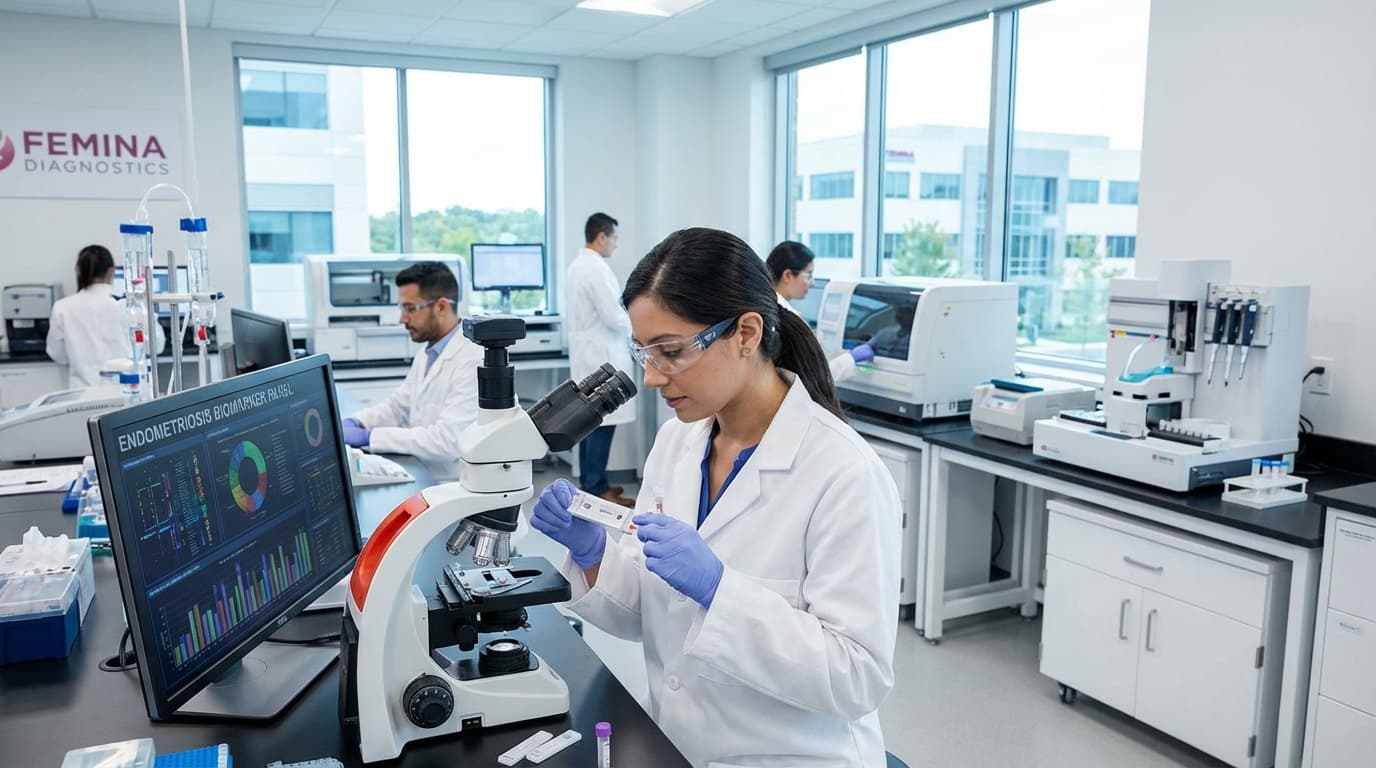
Advances in Diagnosing Endometriosis: Biotech Startups Drive New Testing Innovations

Endometriosis is a painful condition affecting millions, frequently suffering from diagnostic delays due to complex symptoms and limited testing tools. Several biotech companies are now leveraging advances in diagnostics to develop new tests that promise to simplify and accelerate detection, potentially transforming patient outcomes and quality of life.
Endometriosis, a chronic and often debilitating gynecological condition characterized by the growth of tissue outside the uterus, remains notoriously difficult to diagnose. Many individuals endure prolonged periods—often years—before receiving an accurate diagnosis, during which symptoms such as severe pain, fatigue, and infertility may worsen.
The complexity of diagnosing endometriosis lies in the subtlety and variability of symptoms, as well as the invasive nature of definitive diagnostic procedures like laparoscopy. Traditional diagnostic approaches have relied heavily on clinical evaluation and imaging, which lack sufficient sensitivity and specificity.
In response, a growing number of biotech startups have entered the arena with innovative solutions aimed at facilitating earlier and less invasive detection. These companies are harnessing novel biomarkers, advanced molecular techniques, and machine learning algorithms to develop diagnostic tests that could be administered through blood, urine, or other easily accessible bodily fluids.
These advances represent a potential paradigm shift in the clinical management of endometriosis. By reducing the diagnostic timeline, patients can access targeted treatments sooner, potentially mitigating symptom progression and improving quality of life. Additionally, improved diagnostic tools can enhance research efforts by enabling better patient stratification and data collection.
The market momentum in endometriosis diagnostics reflects broader trends within biotech innovation focused on women's health, an area historically underserved by medical research. Startups engaged in this field often collaborate with academic research centers and clinical experts to validate their technologies and navigate regulatory pathways.
Despite promising progress, challenges remain including ensuring test accuracy across diverse populations, integrating new diagnostics into existing care pathways, and addressing cost and accessibility concerns. The regulatory approval process and payer acceptance will also be critical in determining the commercial and clinical impact of these innovations.
As these diagnostic technologies mature, they not only promise to change the narrative on endometriosis diagnosis but could also serve as models for tackling other complex and elusive diseases. Ongoing research and investment will be key to realizing these advances' full potential in personalized and precision healthcare.
For more detailed information and updates on the latest in endometriosis diagnostic development, visit the source: STAT+ Endometriosis often takes years to diagnose. Startups want to change that.
Join the BioIntel newsletter
Get curated biotech intelligence across AI, industry, innovation, investment, medtech, and policy—delivered to your inbox.