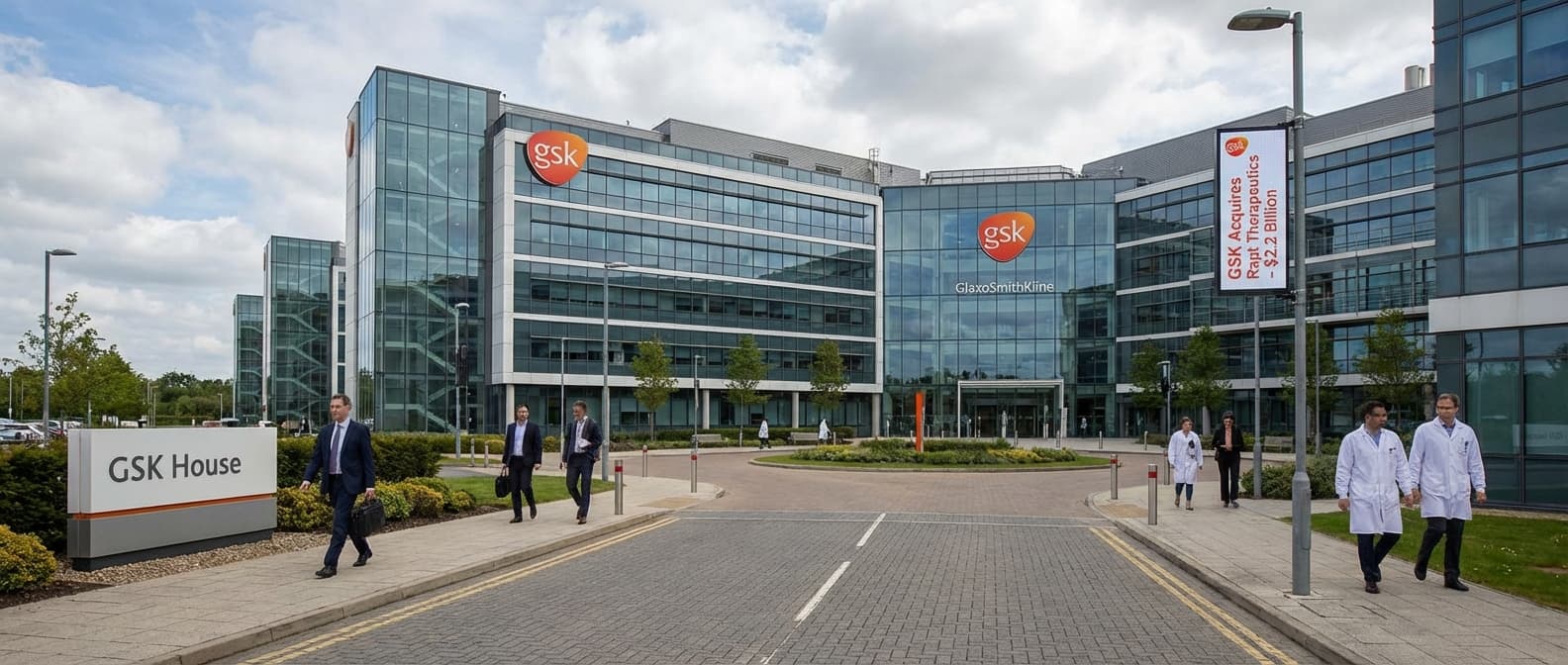
GSK Expands Immunology Portfolio with $2.2 Billion Acquisition of Rapt Therapeutics

The acquisition centers around Rapt Therapeutics’ lead candidate ozureprubart, a long-acting anti-IgE antibody designed to serve as a prophylactic treatment for food allergies. This move positions GSK to compete with existing immunology therapies, including Roche’s blockbuster allergy drug Xolair.
In a significant development within the biopharmaceutical landscape, GlaxoSmithKline (GSK), a leading global healthcare company, has completed the acquisition of Rapt Therapeutics in a deal valued at approximately $2.2 billion. This strategic move is set to enhance GSK's position in the immunology and inflammation sector, particularly targeting the food allergy market, a growing and underserved area of clinical need.
Rapt Therapeutics brings to GSK a novel therapeutic candidate named ozureprubart, a long-acting monoclonal antibody that selectively inhibits immunoglobulin E (IgE), a key mediator in allergic reactions. By obstructing the IgE pathway, ozureprubart has the potential to mitigate the severity and frequency of allergic responses, functioning as a preventive treatment for individuals with food allergies.
Food allergies affect millions globally, with rising prevalence posing public health challenges and significant quality-of-life burdens. Current treatment options are limited, often involving avoidance strategies and emergency interventions during allergic episodes. The introduction of a prophylactic biologic therapy represents a promising advancement to shift the paradigm towards prevention.
GSK's acquisition aligns with its broader immunology strategy focused on advancing treatments for inflammatory and allergic diseases. The addition of ozureprubart diversifies GSK’s pipeline and complements existing immunology assets, strengthening its competitive stance against pharmaceutical giants such as Roche, which markets Xolair, another anti-IgE monoclonal antibody already established in allergy management.
Beyond the therapeutic implications, this acquisition reflects the ongoing trend of major pharmaceutical companies acquiring innovative biotech firms to accelerate R&D and commercial readiness. The integration of Rapt Therapeutics’ expertise and proprietary technologies into GSK's global platform is expected to enhance the clinical development and eventual market availability of ozureprubart.
Early clinical trials have demonstrated encouraging results for ozureprubart, highlighting its long half-life and potential to provide sustained protection from allergen exposures. These promising data underpin the investment rationale and suggest meaningful improvements in patient outcomes if approved.
The competitive landscape in food allergy therapeutics is intensifying, with multiple investigational drugs and immunotherapies underway. GSK's acquisition signifies its commitment to leading innovation in this space and addressing unmet patient needs through novel biologic treatments.
As GSK moves forward with clinical development activities, regulatory submissions, and potential commercialization plans for ozureprubart, stakeholders including healthcare providers, patients, and payers will closely monitor progress and real-world impact.
This acquisition also opens avenues for GSK to explore combination therapies, expand indications, and leverage biomarker research to optimize patient selection and therapeutic efficacy.
The deal underscores the importance of robust pipelines and strategic ventures in sustaining growth and delivering breakthrough therapies within the dynamic immunology sector.
For comprehensive details on this acquisition and its implications, please refer to the original report by MedCity News and BioSpace: GSK Grows in Immunology, Buying Rapt Therapeutics and Food Allergy Drug in $2.2B Deal and GSK Picks Up RAPT for $2.2B as Miels Makes First Move as CEO.
Join the BioIntel newsletter
Get curated biotech intelligence across AI, industry, innovation, investment, medtech, and policy—delivered to your inbox.