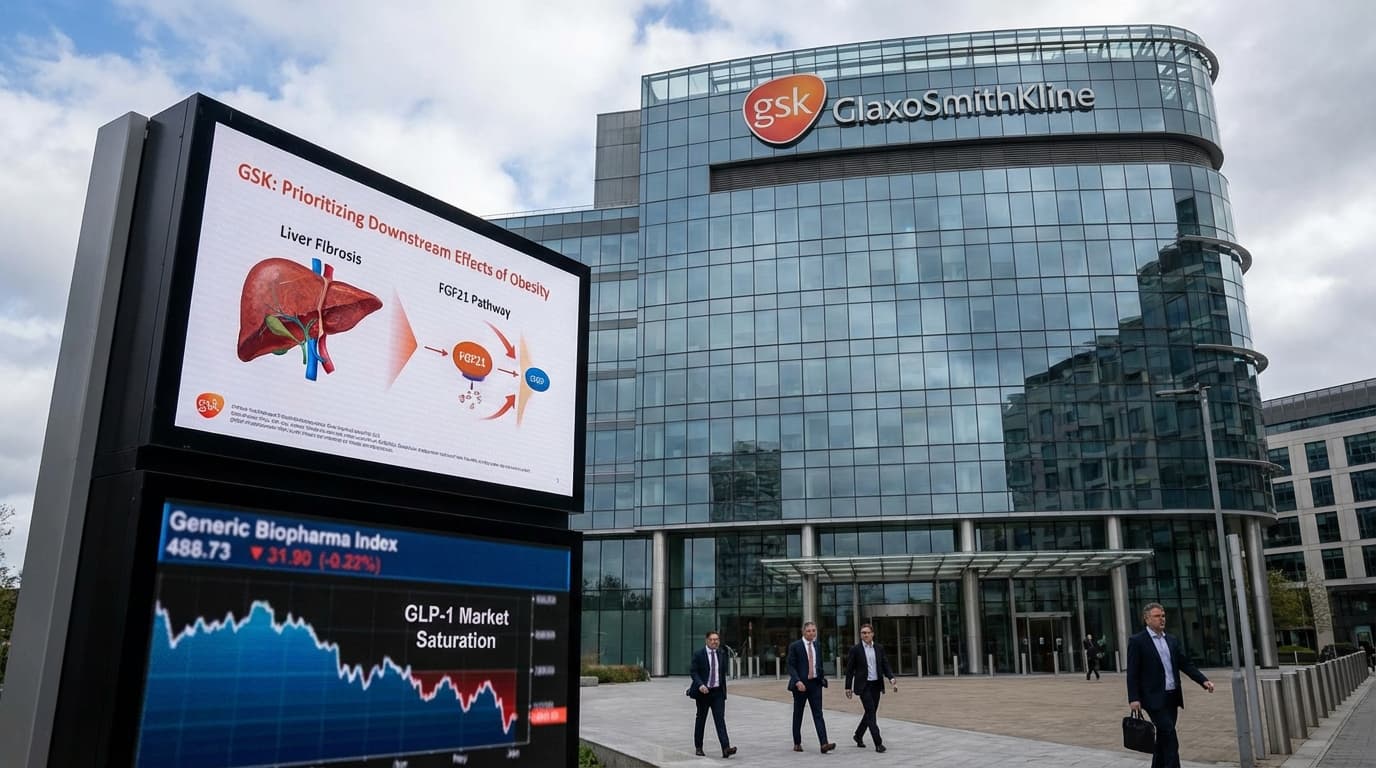
GSK Shifts Focus From GLP-1s to Addressing Obesity’s Downstream Effects

GSK's strategic decision to forgo developing GLP-1 drugs represents a distinct approach in the obesity treatment landscape. The company's focus on innovative therapies like its FGF21 analog efimosfermin alfa, particularly aimed at liver fibrosis, signals a nuanced understanding of obesity’s complex pathophysiology and its complications.
GlaxoSmithKline (GSK), one of the world’s leading biopharmaceutical companies, has announced a significant strategic shift in its approach to obesity treatment. In a market increasingly dominated by GLP-1 receptor agonists—which have demonstrated substantive efficacy in weight loss—GSK has elected not to pursue development in this class of drugs. Instead, the company is directing its resources to target the downstream biological effects of obesity, an area that addresses the complications and sequelae resulting from obesity rather than the primary condition itself.
At the forefront of GSK's efforts is its Phase III-ready candidate, efimosfermin alfa, a fibroblast growth factor 21 (FGF21) analog. This drug is currently being developed for the treatment of liver fibrosis, a severe and often progressive complication associated with obesity and metabolic syndrome. By focusing on fibrosis, GSK aims to alleviate one of the most debilitating consequences of chronic obesity, addressing an unmet medical need that affects a large patient population.
The decision to bypass the GLP-1 segment, despite its rapid expansion and high levels of competitive activity, reflects GSK’s assessment of both the market dynamics and scientific opportunities. GLP-1 drugs, while efficacious for weight management, have encountered challenges including side effect profiles, accessibility, and the intense competition among numerous pharmaceutical players. GSK’s pivot towards downstream targets represents a strategic choice to differentiate its portfolio and potentially address the broader health impacts of obesity beyond weight loss alone.
This approach may have implications for the biopharmaceutical industry’s overall perspective on obesity therapeutics. Instead of focusing solely on reducing body weight, there is increasing recognition of the importance of managing obesity-related comorbidities such as liver disease, cardiovascular conditions, and diabetes complications. GSK's focus on the FGF21 pathway aligns with growing scientific evidence highlighting metabolic regulatory mechanisms that could be therapeutically targeted for improved patient outcomes.
The company’s advancement of efimosfermin alfa into late-stage clinical trials underscores the scientific maturity and commercial potential it sees in this novel mechanism. If successful, this therapy could provide an important adjunct or alternative to existing obesity treatments, especially for patients with advanced metabolic complications.
In summary, GSK's choice to avoid the saturated GLP-1 market and instead invest in therapies addressing obesity’s downstream consequences represents a strategic maneuver in the evolving therapeutic landscape. This decision enhances the diversity of treatment options and reflects a deeper understanding of the multifaceted nature of obesity and its health impacts.
For more details, visit the original BioSpace article: GSK Says No to GLP-1s, Prioritizes ‘Downstream Effects’ of Obesity.
Join the BioIntel newsletter
Get curated biotech intelligence across AI, industry, innovation, investment, medtech, and policy—delivered to your inbox.