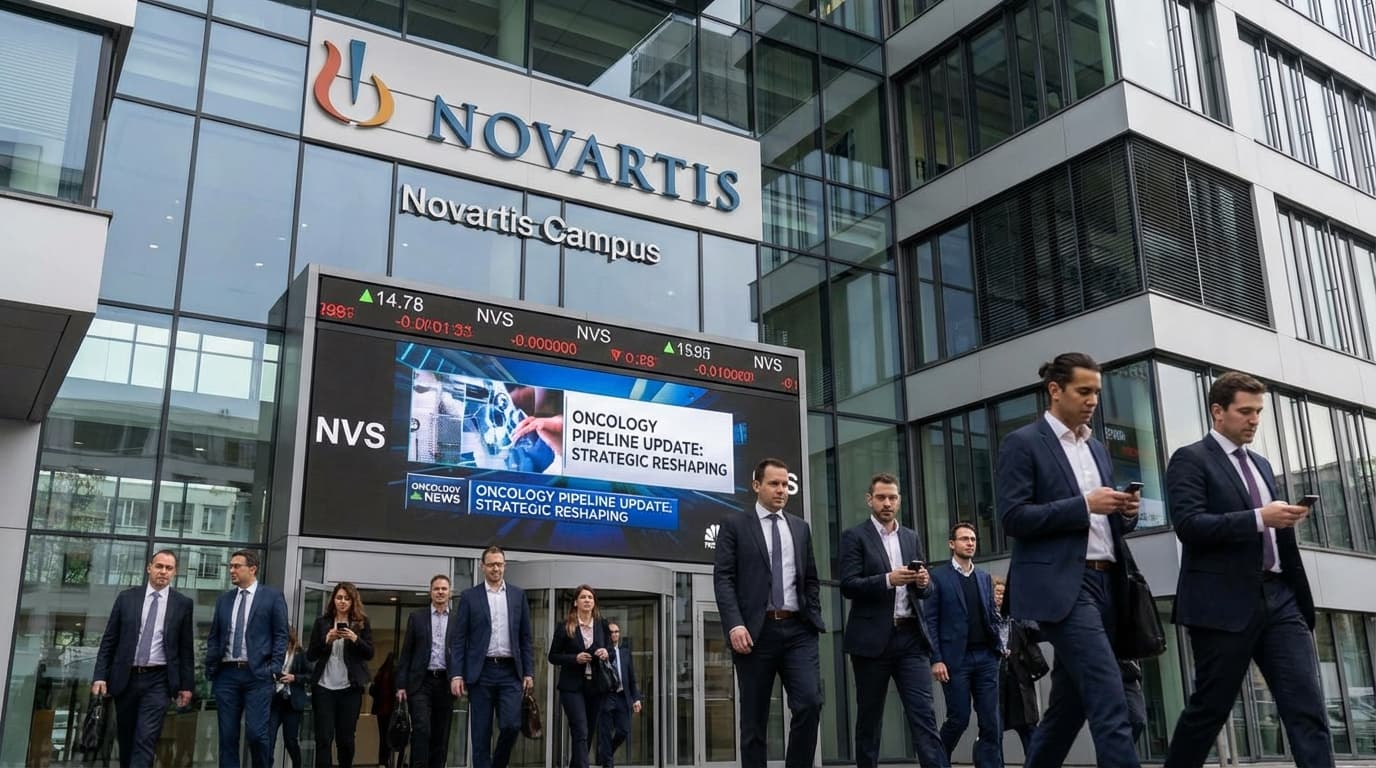
Novartis Refines Oncology Pipeline, Cuts 6 Early Cancer Candidates While Adding 2 to Strategic Focus

In a move illustrating the dynamic nature of early cancer drug development, Novartis is streamlining its oncology portfolio to enhance focus on the most promising candidates. Despite cutting multiple projects, the company reaffirms commitment to innovation through selective acquisitions and partnerships, indicating a strategic refinement aimed at long-term success in the oncology sector.
Novartis, a leading name in the biopharmaceutical industry, has recently announced a notable shift in its oncology research and development strategy. The company is discontinuing six early-stage cancer drug candidates while simultaneously adding two new projects to its pipeline. This strategic decision reflects a trend among major pharmaceutical companies to optimize resources and prioritize drug candidates with the highest potential impact and market viability.
Background on Early-Stage Oncology Pipelines
Early-stage cancer drug development is a highly complex and resource-intensive process. Drug candidates in this phase, often in or before Phase 1 clinical trials, require significant investment with an uncertain outcome. Many compounds are tested for efficacy and safety, but a large number of them do not progress to later stages due to insufficient data or strategic reprioritization.
Novartis’s move to cull six early cancer candidates demonstrates a pragmatic approach to pipeline management, focusing efforts on candidates with clearer clinical and commercial promise. This culling is common practice among pharmaceutical leaders aiming to enhance pipeline quality and allocate capital effectively.
Insight from Leadership
CEO Vas Narasimhan reaffirmed the company's commitment to maintaining a strong early-stage pipeline despite these cuts. He emphasized that Novartis continues to actively seek deals, particularly targeting acquisitions or partnerships in the sub-$2 billion range. This suggests a balanced strategy of internal discovery complemented by external innovation sourcing.
Such hybrid strategic models are increasingly prevalent as companies pursue agility and rapid adaptation to scientific advances. By shedding less promising candidates, Novartis is likely reallocating resources to foster development of novel compounds and potentially disruptive therapies.
Industry Implications
Novartis’s decision can be seen as a microcosm of broader trends within oncology drug development. The oncology therapeutics landscape is intensely competitive and rapidly evolving, with new modalities such as immunotherapies, targeted therapies, and personalized medicine gaining prominence.
Pharmaceutical companies are under pressure to demonstrate clear differentiation and strong clinical benefits. Strategic pipeline pruning facilitates faster progression of promising therapies through the clinical trial phases and optimizes the pipeline towards commercial success.
Conclusion
The refinement of Novartis’s oncology pipeline by cutting six early candidates and adding two new projects illustrates thoughtful portfolio management in a challenging development environment. With ongoing investment in early-stage innovation and a clear focus on strategic acquisitions, Novartis aims to bolster its position in oncology and capitalize on evolving therapeutic opportunities.
This move not only signals the company’s prioritization of impactful cancer treatments but also reflects the dynamic nature of drug development where continuous portfolio reassessment is critical to long-term sustainability and success.
Source: BioSpace
Join the BioIntel newsletter
Get curated biotech intelligence across AI, industry, innovation, investment, medtech, and policy—delivered to your inbox.