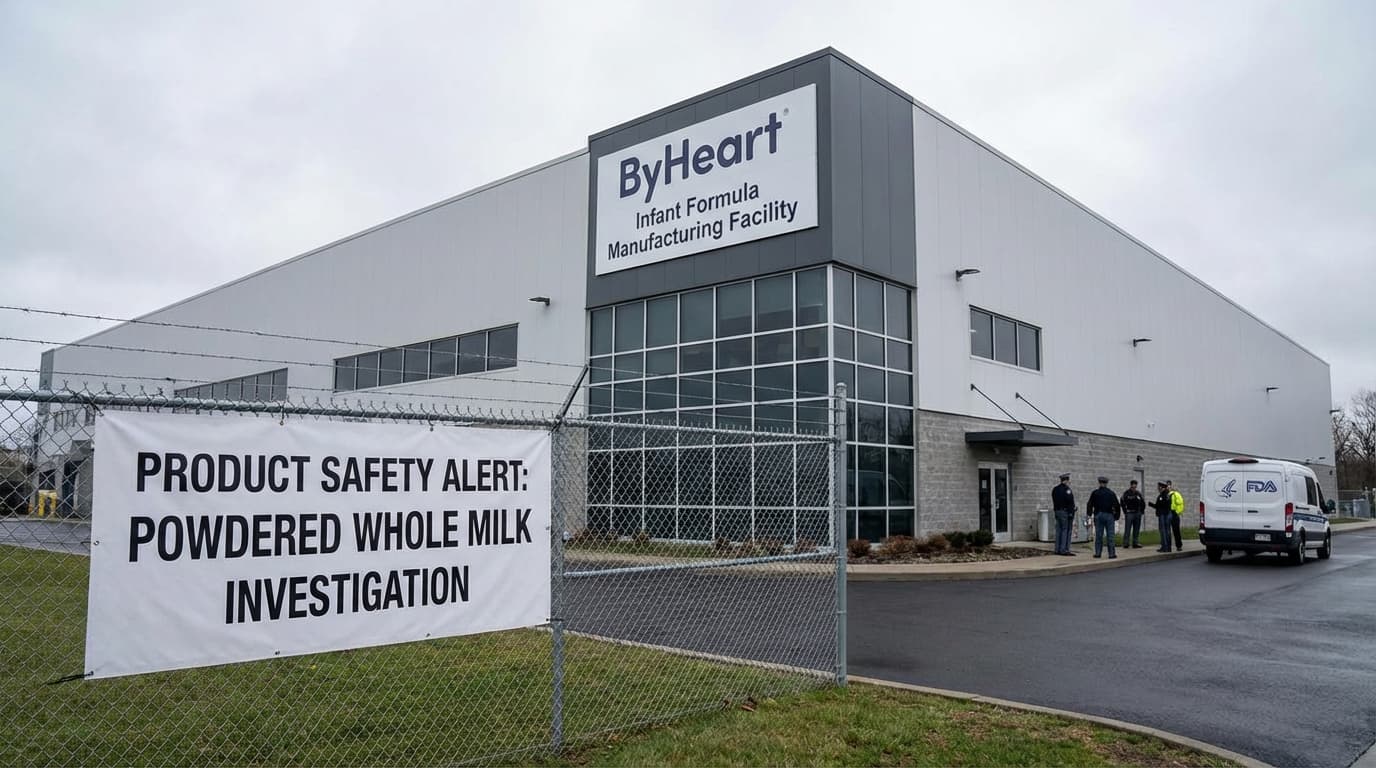
Powdered Whole Milk Implicated in ByHeart Botulism Outbreak: A Closer Look at Infant Formula Safety

An investigation into a troubling botulism outbreak has identified powdered whole milk as a possible vector of contamination in ByHeart's infant formula. This development raises significant concerns regarding manufacturing practices, safety screenings, and regulatory oversight of infant nutrition products in the United States. The implications extend to public health policy, pediatric care, and industry standards.
Recent events have spotlighted a concerning botulism outbreak linked to an infant formula manufacturer, ByHeart. The outbreak has sickened dozens of babies and preliminary tests have suggested powdered whole milk as a potential culprit. This alarming situation necessitates a detailed examination of the circumstances, scientific understanding of botulism risks related to infant formula, and broader considerations for the biopharmaceutical and nutrition sectors.
Understanding Botulism and Its Risks in Infants
Botulism is a rare but life-threatening illness caused by toxins produced by Clostridium botulinum bacteria. Infants are particularly vulnerable due to their immature digestive systems, which may allow spores to germinate and produce toxins. Infant botulism commonly manifests as muscle weakness, poor feeding, constipation, and lethargy, requiring prompt medical intervention.
The Link Between Powdered Whole Milk and Botulism
Testing associated with the outbreak has pointed to powdered whole milk incorporated in ByHeart's infant formula as a potential source of contamination. Powdered milk products can, under certain conditions, harbor Clostridium spores if manufacturing and sterilization processes are not rigorously controlled.
The powdered form itself poses challenges for sterilization and quality assurance, as reconstitution and storage by caregivers add variables influencing microbial growth. Manufacturers are tasked with ensuring their supply chains and processing environments meet stringent safety protocols to minimize such risks.
Review of ByHeart's Manufacturing and Quality Controls
While specific details about ByHeart's manufacturing processes remain limited publicly, this outbreak raises critical scrutiny of quality controls and oversight. From raw material sourcing to packaging, infant formula producers must adhere to regulations set forth by agencies like the FDA to guarantee product safety.
Recall and mitigation efforts typically follow such outbreaks, focusing on identifying contaminated batches and advising caregivers appropriately. ByHeart and regulatory authorities are likely conducting thorough investigations to pinpoint the contamination source and prevent recurrence.
Broader Industry and Regulatory Implications
This incident underscores persistent challenges within infant formula manufacturing and regulation, especially concerning ingredients like powdered whole milk. The incident reaffirms the need for robust microbial testing, transparency in supply chains, and continuous monitoring for potential contaminants.
Regulatory bodies may revisit guidelines related to ingredient sourcing and batch testing frequency. Enhanced surveillance mechanisms and real-time reporting systems might be explored to detect and respond swiftly to emerging contamination risks.
Impact on Pediatric Healthcare and Public Confidence
Pediatric healthcare providers must remain vigilant for signs of botulism among infants presenting with relevant symptoms, especially amidst current concerns. Early diagnosis and treatment are critical for improved outcomes.
Public confidence in infant nutrition products hinges on consistent safety assurances. The outbreak may prompt parents and caregivers to seek greater transparency and demand higher safety standards from manufacturers and regulators alike.
Future Directions and Recommendations
The current botulism outbreak linked to powdered whole milk in infant formula serves as a crucial case study for the biopharmaceutical and nutrition sectors. Key takeaways include:
-
Strengthening Supply Chain Oversight: Ensuring traceability and contamination prevention at every stage.
-
Advancing Testing Methodologies: Employing sensitive and rapid microbial detection technologies.
-
Enhancing Regulatory Collaboration: Coordinated efforts between manufacturers, public health agencies, and research institutions.
-
Promoting Caregiver Education: Guidance on safe preparation, storage, and usage of powdered infant formulas.
Conclusion
The ByHeart botulism outbreak linked to powdered whole milk heightens awareness of the intricate challenges in ensuring infant formula safety. Continued investigation, transparent communication, and proactive measures will be vital to restoring confidence and safeguarding infant health.
The incident also signals the importance of integrating scientific research with regulatory practices to evolve standards reflecting current risks and technologies.
(Source: STAT News)
Join the BioIntel newsletter
Get curated biotech intelligence across AI, industry, innovation, investment, medtech, and policy—delivered to your inbox.