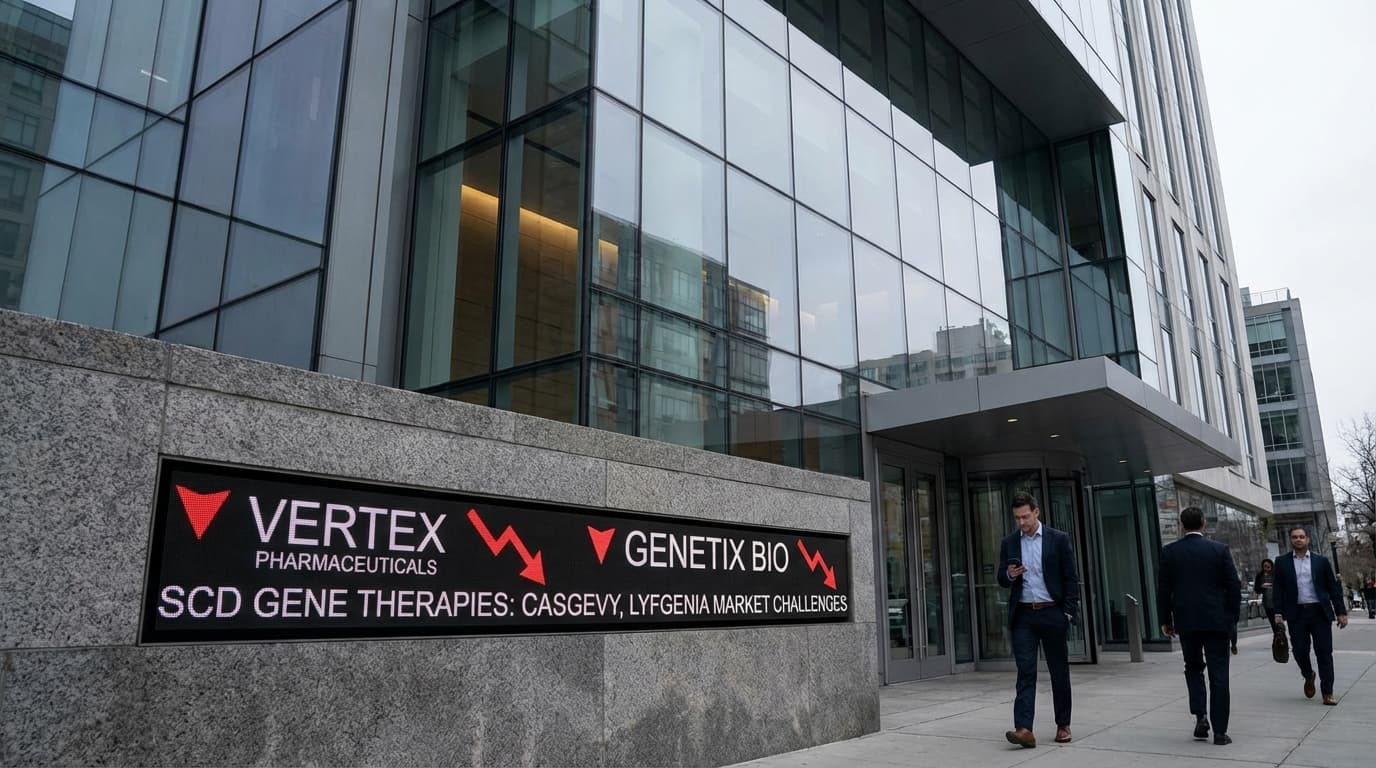
Sickle Cell Gene Therapies Casgevy and Lyfgenia Face Market Challenges Two Years Post-Approval

The debut of Casgevy and Lyfgenia marked a pivotal moment in treating sickle cell disease with gene therapy. However, market challenges persist, as companies Vertex and Genetix Bio provide recent updates on their progress and hurdles in adoption.
Sickle cell disease (SCD), a severe hereditary blood disorder, saw a promising therapeutic advancement with the approval of two gene therapies: Casgevy and Lyfgenia, both authorized in December 2023. These therapies arrived with significant anticipation given the chronic and debilitating nature of SCD, which predominantly impacts individuals of African descent and others worldwide.
Despite the high hopes pinned on these gene therapies to revolutionize treatment for SCD, two years into their release, Casgevy and Lyfgenia have encountered substantial difficulties in securing robust market uptake. This blog provides a comprehensive review of the current market status of these therapies, the challenges faced, and the latest insights from major stakeholders including Vertex Pharmaceuticals and Genetix Bio.
Market Entry and Initial Expectations Upon approval, Casgevy and Lyfgenia were projected to rapidly transform the therapeutic landscape for SCD patients, offering potentially curative options unlike traditional management approaches that focus on symptomatic relief. The gene therapies utilize advanced genetic editing or gene addition technologies to address the underlying cause of sickle cell disease at the DNA level.
Challenges in Adoption A significant factor influencing this slower-than-expected traction includes the high cost profile of gene therapies, which poses reimbursement hurdles and limited accessibility for broad patient populations. Additionally, the complexity of treatment administration requiring specialized centers and the need for long-term safety and efficacy data contribute to conservative uptake.
Physician and patient awareness also factor into the pace of adoption, with many clinicians exercising caution due to novelty, limited real-world evidence, and concerns regarding potential adverse effects. The healthcare infrastructure required to deliver such therapies is still evolving to meet these new demands.
Updates from Vertex and Genetix Bio Despite the hurdles, Vertex and Genetix Bio have provided encouraging signs of progress. Vertex, the developer behind Casgevy, has reported ongoing clinical trials designed to expand indications and optimize therapeutic protocols. Meanwhile, Genetix Bio continues to engage with payers and healthcare providers, enhancing support programs aimed at increasing patient access to Lyfgenia.
Efforts to improve manufacturing scalability and streamline patient identification processes are underway, aiming to mitigate some existing barriers.
Looking Forward The market for SCD gene therapies remains a dynamic and evolving frontier, with substantial promise tempered by real-world implementation challenges. The path forward will likely require collaborative efforts among industry stakeholders, payers, providers, and patient advocacy groups to enhance education, access, and affordability.
In summary, while Casgevy and Lyfgenia have not yet achieved widespread market penetration two years after approval, the ongoing developments and strategic initiatives by Vertex and Genetix Bio suggest a cautious optimism for the future.
For more detailed information, please refer to the original source here.
Join the BioIntel newsletter
Get curated biotech intelligence across AI, industry, innovation, investment, medtech, and policy—delivered to your inbox.