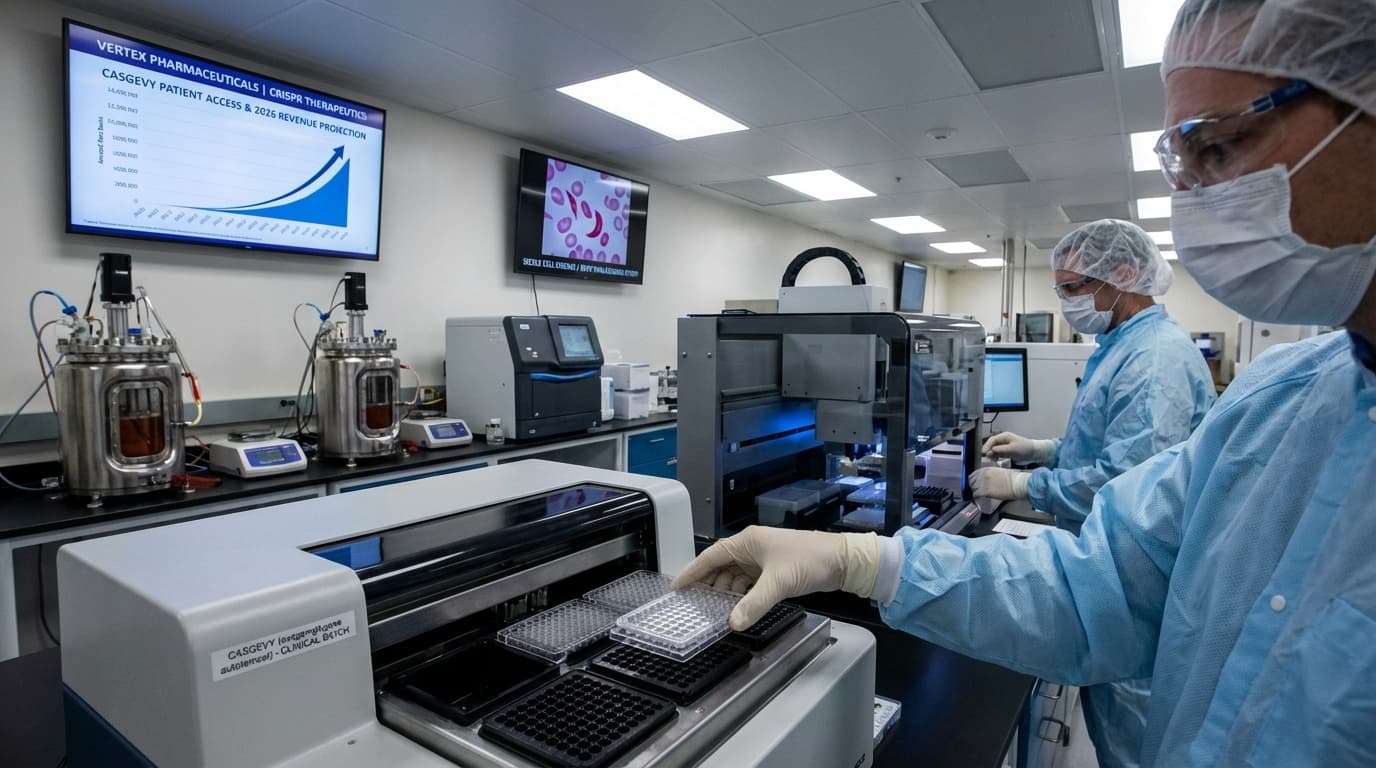
Vertex and CRISPR Set Ambitious Goals for Casgevy Gene Therapy Amid Growing Patient Access

After a slow uptake period, the partnership between Vertex and CRISPR Therapeutics for Casgevy gene therapy targeting sickle cell disease and beta thalassemia is poised for substantial growth. This reflects the increasing acceptance and accessibility of advanced gene therapies in rare disease management.
Gene therapies have emerged as a transformative approach for treating genetic disorders, offering the potential for curative interventions by directly addressing the underlying genetic causes. Among these innovative treatments, the partnership between Vertex Pharmaceuticals and CRISPR Therapeutics has been closely watched, particularly for their gene therapy product Casgevy, aimed at treating sickle cell disease (SCD) and beta thalassemia.
Background: Sickle Cell Disease and Beta Thalassemia
Both SCD and beta thalassemia are inherited blood disorders characterized by abnormal hemoglobin production. These diseases cause severe anemia, pain crises, organ damage, and reduced life expectancy. Conventional management includes lifelong transfusions, medications, and supportive care, but results vary and complications remain significant.
Gene therapy represents a novel avenue with the potential to provide durable or lasting remission by correcting or modifying defective genes responsible for the diseases.
Casgevy: A Gene Therapy Approach
Casgevy utilizes CRISPR gene-editing technology to modify hematopoietic stem cells, aiming to induce production of functional hemoglobin. This therapy is designed to be a one-time treatment to alleviate or eliminate disease symptoms and reduce reliance on supportive therapies.
The collaboration between Vertex and CRISPR Therapeutics pools expertise in biologics development and gene editing, respectively, driving innovation and enhancing the likelihood of commercial success.
Market Encounter: Initial Slow Uptake and Expansion
Despite significant promise, the initial adoption of Casgevy has been gradual, attributable to factors such as:
-
Complexity of Gene Therapy Delivery: Specialized centers and procedures are required, posing logistical challenges.
-
Regulatory and Reimbursement Hurdles: Navigating approvals and ensuring coverage can delay widespread use.
-
Patient and Provider Awareness: Educating stakeholders about new treatment paradigms takes time.
However, in 2026, Vertex and CRISPR Therapeutics project that revenues from Casgevy will nearly triple, reflecting increasing patient access, enhanced infrastructure, and greater acceptance.
Implications for Patients and Healthcare Ecosystems
Expansion of access to Casgevy represents a critical development for patients suffering from debilitating blood disorders. With more patients gaining entry to this innovative therapy, meaningful improvements in quality of life and disease outcomes are anticipated.
Healthcare systems will need to adapt to incorporate gene therapies more fully, developing expertise, infrastructure, and reimbursement models supportive of high-cost but potentially curative treatments.
Broader Impact on Gene Therapy Industry
The success trajectory of Casgevy provides valuable insights for the gene therapy sector:
-
Validation of CRISPR Technology: Demonstrates practical application and commercial viability of CRISPR-based therapies.
-
Encourages Investment and Partnerships: Positive results motivate further collaboration and funding in gene editing and rare disease therapeutics.
-
Catalyzes Development of Next-Generation Treatments: Builds momentum for novel gene therapies targeting a wider array of genetic diseases.
Looking Ahead
As Casgevy scales from initial market entry to broader patient access, ongoing monitoring of efficacy, safety, and real-world outcomes will be essential. Continued regulatory support, payer engagement, and education efforts will also be critical to sustaining growth.
Moreover, the partnership between Vertex and CRISPR Therapeutics sets a precedent for combining biotech innovation with gene editing prowess, potentially unlocking future breakthroughs in personalized medicine.
Conclusion
Vertex Pharmaceuticals and CRISPR Therapeutics’ ambitious goals for Casgevy gene therapy underscore the promising landscape of gene editing treatments. As patient access improves and revenues grow, this case highlights how advanced therapeutics can transition from experimental to mainstream, offering hope to patients with previously intractable genetic diseases.
The developments around Casgevy not only shape the future for sickle cell disease and beta thalassemia management but also represent a broader paradigm shift in biopharmaceutical innovation and precision medicine.
Source: Vertex, CRISPR Set Lofty Goal for Casgevy Gene Therapy as Patient Starts Ramp - BioSpace
Join the BioIntel newsletter
Get curated biotech intelligence across AI, industry, innovation, investment, medtech, and policy—delivered to your inbox.