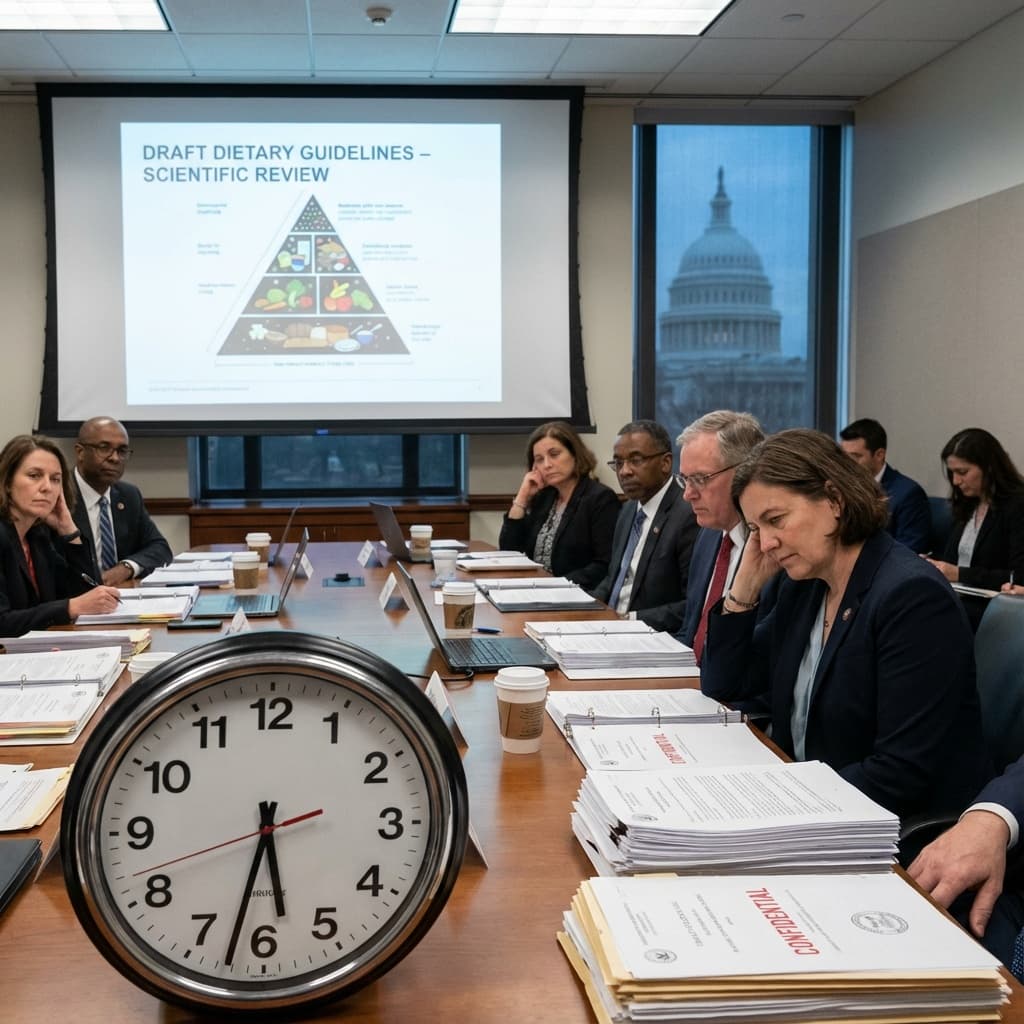
Behind the Scenes of the New Dietary Guidelines: Industry Influence and Deadline Pressures

The updated food pyramid, a cornerstone of public health nutrition advice, has emerged amid criticism regarding opaque scientific practices and the influence of industry funding on the scientific panel responsible for its creation. This post unpacks the challenges and pressures faced during the guideline development process.
The release of new dietary guidelines is typically a landmark event, influencing health policy, nutrition education, and consumer behaviors across the country. However, the latest update to the food pyramid, an authoritative nutrition guide, has drawn scrutiny and concern due to the nature of its scientific review process and the involvement of industry-funded studies.
According to a comprehensive analysis available on STAT+, the timeline for developing these guidelines was described by some insiders as "outrageous," with significant pressure to meet deadlines that may have compressed critical evaluation periods. This accelerated pace heightens the risk of overlooking thorough vetting that ensures recommendations are entirely evidence-based and free from external bias.
One of the central points of contention is the role of industry-funded research in shaping the guidelines. The scientific panel responsible for the guidelines reportedly relied heavily on studies funded by food industry stakeholders. Such funding sources can sometimes introduce conflicts of interest or subtle biases in study designs and interpretations of results.
This post explores how these factors interplay and raises critical questions about transparency and integrity in public health guidance. When guidelines have the potential to affect national health outcomes, the standards for scientific rigor and independence must be exceptionally high.
We delve into the specifics of the timeline that expedited the panel's work, compare it to prior guideline development cycles, and examine the potential ramifications on the final recommendations presented to consumers. Attention is also given to the mechanisms in place to assess and mitigate bias in funded research, alongside discussions on how future guideline development might be improved to safeguard scientific credibility.
Furthermore, the political and economic contexts surrounding nutrition policy development are analyzed, highlighting how urgent public health concerns sometimes clash with commercial interests. The pressures that researchers and panel members face, such as looming deadlines and potential influence from funding entities, cast shadows on the robustness of the scientific advice.
By providing this independent analysis, the post aims to inform readers about the complexities behind dietary recommendations, encouraging a nuanced understanding of nutrition science in practice. It also invites reflection on how such controversies might shape public trust and influence future policy-making in nutrition and health sectors.
Throughout, the post draws exclusively on publicly available reporting and expert commentary to maintain an objective and well-rounded perspective. It is essential for stakeholders and the general public to be aware of these dynamics as they interpret and apply dietary guidance in everyday life.
For more detailed information, the original report can be found at STAT+: Behind new dietary guidelines: Industry-funded studies, opaque science, crushing deadline pressure [source_link].
Join the BioIntel newsletter
Get curated biotech intelligence across AI, industry, innovation, investment, medtech, and policy—delivered to your inbox.