The Consequences of Ending Universal Rotavirus Vaccination: An Expert Perspective

Rotavirus, a leading cause of severe diarrhea in young children, was once broadly prevented through universal vaccination programs. However, recent changes in vaccine recommendations have sparked debate among experts concerning public health outcomes and preventable disease burdens.
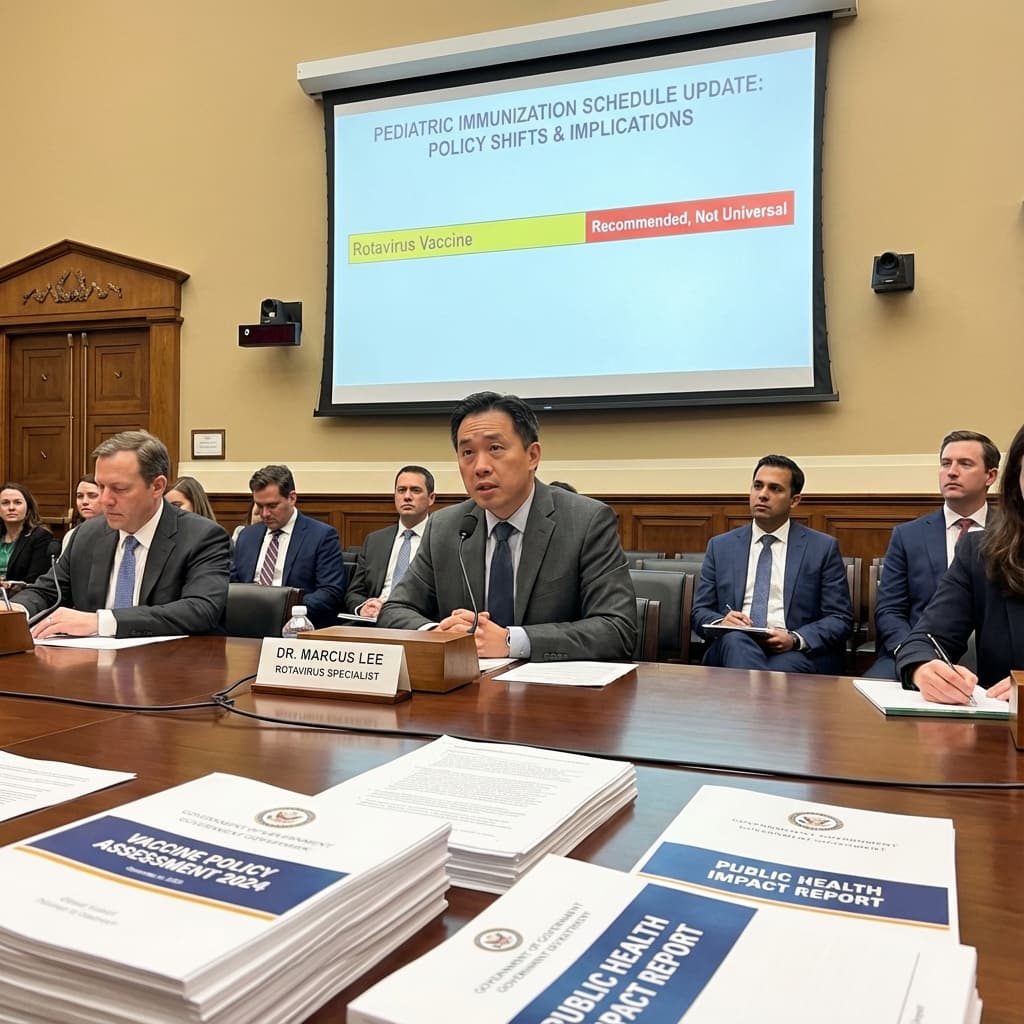
The debate over the importance of universal rotavirus vaccination has intensified following policy shifts that have downgraded the vaccine's standing on immunization schedules. In a revealing piece, a rotavirus expert shares a poignant personal narrative: his own son contracted rotavirus before a vaccine was available to him. This firsthand experience forms the backdrop of a compelling argument about the crucial role of rotavirus vaccines in protecting children's health.
Rotavirus is a common and highly contagious virus that causes severe gastrointestinal disease, particularly in infants and young children. The introduction of universal rotavirus vaccination programs was a major advance in pediatric infectious disease prevention, sharply reducing hospitalizations and deaths associated with rotavirus infections.
Despite these benefits, some immunization schedules have recently reduced prioritization for the rotavirus vaccine, prompting concerns among healthcare professionals and public health advocates. The expert in focus argues that this policy change is a significant setback, characterizing the removal of universal vaccination as a tragedy that risks a resurgence of rotavirus cases with attendant healthcare and societal costs.
This post delves into the scientific evidence supporting rotavirus vaccination, summarizing the vaccine's efficacy and safety profiles established during extensive clinical trials and public health applications. The potential consequences of decreased vaccination coverage are examined, including increased incidence rates of rotavirus disease, potential outbreaks, and increased burden on healthcare systems.
The narrative includes an exploration of epidemiological data tracing changes in rotavirus infection rates before and after vaccine policy alterations. It highlights geographic regions and populations most vulnerable to rotavirus infections when vaccination programs are diminished.
Policy context is also analyzed, discussing the factors that influenced the vaccine's demotion on the immunization schedule, such as cost-benefit assessments, vaccine accessibility, and shifts in public health priorities. The post considers how these decisions reflect broader trends in vaccine policy and child health initiatives.
Finally, the expert's perspective is presented not only as a professional analysis but also as a passionate appeal grounded in personal experience. This dual lens provides a unique insight into the human impact of vaccination policies and the critical importance of maintaining robust immunization programs against preventable diseases like rotavirus.
This comprehensive discussion aims to inform readers about the complexities surrounding rotavirus vaccination policy and its implications. It underscores the value of vaccine programs in safeguarding pediatric health and the challenges posed by policy shifts that could undermine these protections.
For readers interested in the full expert commentary and more in-depth information, please refer to the original article: Opinion: My son had rotavirus before he could get the vaccine. Ending universal rotavirus vaccination is a tragedy [source_link].
Join the BioIntel newsletter
Get curated biotech intelligence across AI, industry, innovation, investment, medtech, and policy—delivered to your inbox.