Navigating Legal Uncertainty: Pharma’s Strategy Facing State Challenges to New CDC Vaccine Schedule

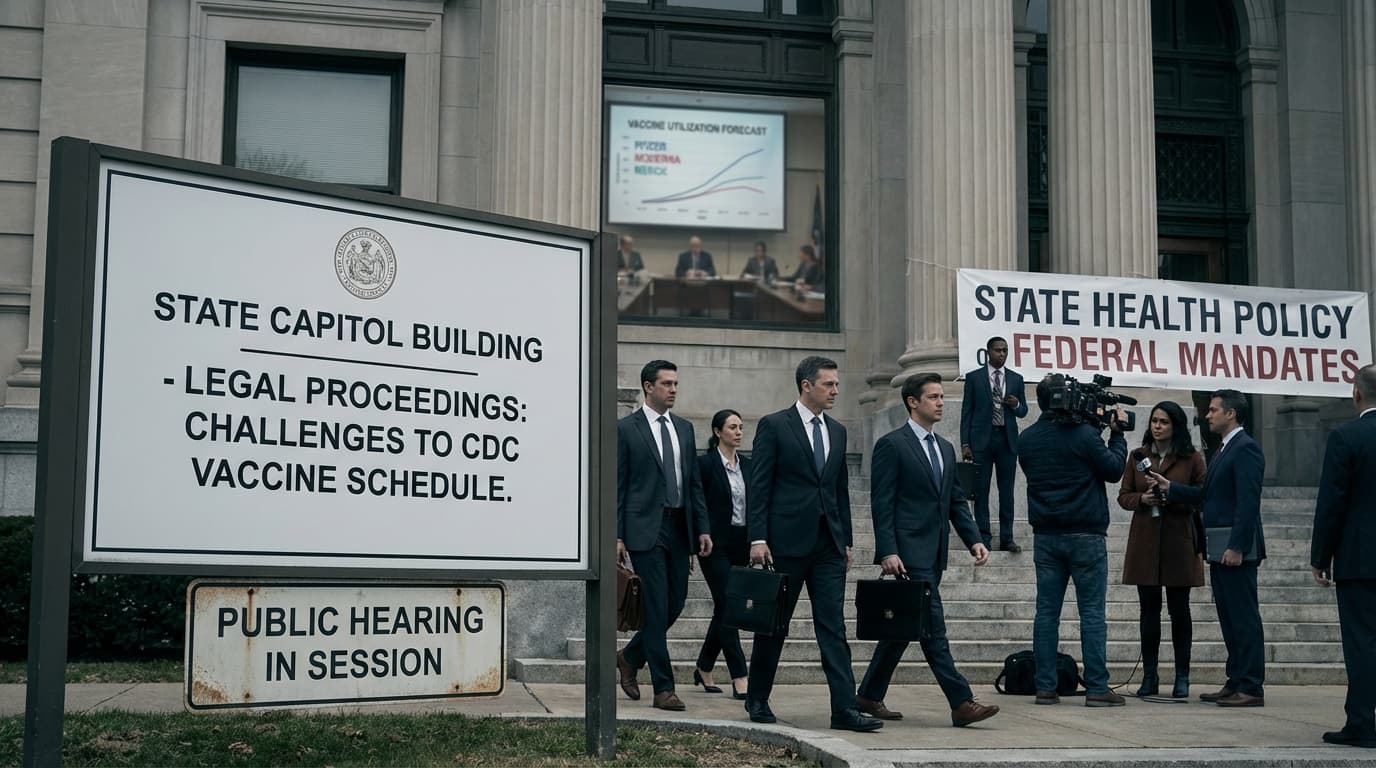
Recent changes by the Centers for Disease Control and Prevention (CDC) to the national vaccine schedule have sparked state-level opposition that threatens to disrupt the market for vaccines produced by industry leaders such as Pfizer, Moderna, and Merck. Legal experts believe manufacturers may adopt a cautious stance rather than actively oppose the revised schedule through litigation.
The pharmaceutical industry is currently confronting a complex regulatory and legal environment due to controversies surrounding the CDC’s updated vaccine schedule. These revisions aim to optimize immunization practices but have met resistance from several U.S. states, which have challenged the changes on various grounds, creating uncertainty for vaccine manufacturers.
Major vaccine producers including Pfizer, Moderna, and Merck are particularly affected, as the revised CDC schedule directly influences vaccine demand and sales forecasts. The modifications could lead to reduced utilization of certain vaccines, resulting in potential financial implications for these companies.
Legal experts analyzing the situation suggest that, despite the challenges, vaccine manufacturers are likely to avoid aggressive litigation to declare the new schedule unlawful. Instead, companies may choose to remain on the sidelines, balancing the risks of legal entanglements with regulatory compliance and public health responsibilities.
The ongoing disputes highlight the growing tensions between federal public health agencies and state governments over vaccine mandates and public health policy enforcement. This discord adds layers of complexity for pharmaceutical companies, whose regulatory strategies must now account for a fragmented policy landscape across states.
Healthcare stakeholders, including providers and payers, are also watching closely as these legal battles could affect immunization uptake, public health outcomes, and vaccine accessibility nationally.
Amidst this uncertainty, the FDA and other regulatory bodies must navigate maintaining vaccine safety and efficacy standards while addressing political and public perception challenges.
Industry observers stress the importance of clear communication and strategic legal navigation as essential for pharmaceutical companies to manage risks and continue contributing to public health through vaccination programs.
This evolving landscape underscores the necessity for coordinated stakeholder engagement, including policymakers, manufacturers, healthcare providers, and patient advocacy groups, to ensure vaccine innovations reach populations in timely and equitable ways.
For an in-depth analysis of the shifting legal environment and its impact on pharmaceutical vaccine strategies, see the full discussion at BioSpace: Uncertainty Looms Over Pharma’s Legal Strategy as States Challenge New Vaccine Schedule.
The situation remains dynamic, warranting continued observation as legal, regulatory, and industry responses develop.
Join the BioIntel newsletter
Get curated biotech intelligence across AI, industry, innovation, investment, medtech, and policy—delivered to your inbox.