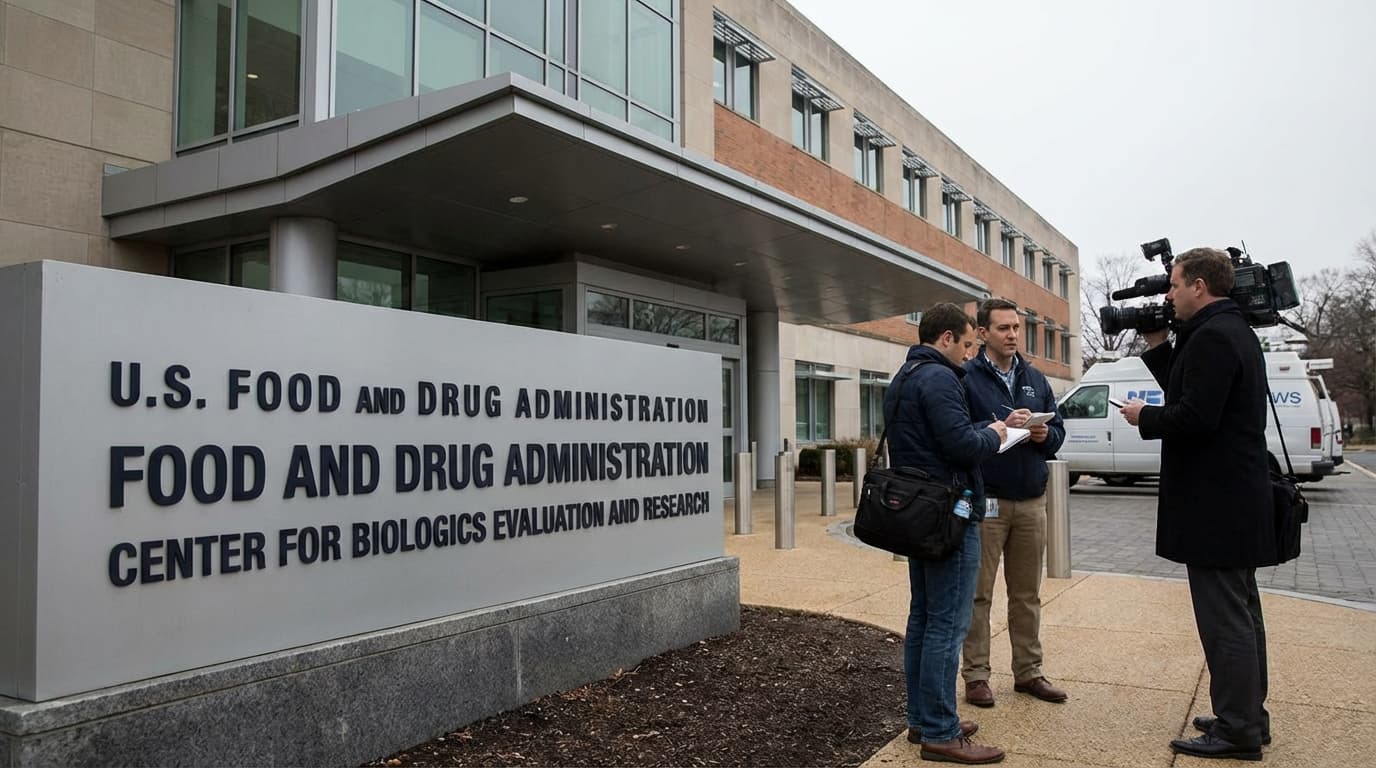
Prasad Under Probe for Promoting Workplace Toxicity, Staffers Say

A probe into allegations against Vinay Prasad, Director of the FDA’s Center for Biologics Evaluation and Research (CBER), focuses on accusations of creating a hostile work environment. The investigation reflects broader questions about leadership accountability and workplace standards within the agency.
Recent reports have brought to light a formal probe into Vinay Prasad, the Director of the U.S. Food and Drug Administration’s Center for Biologics Evaluation and Research (CBER). Staff members have raised serious concerns regarding the workplace environment under his leadership, alleging that he has fostered conditions characterized as toxic, including instances of berating employees and retaliating against reviewers who challenged his decisions.
Context and Scope of the Allegations
Vinay Prasad, a prominent figure in regulatory circles, has been credited with spearheading critical decisions at the FDA related to biologics evaluation, a domain increasingly central to modern therapeutics including vaccines and advanced biologic drugs. However, allegations of workplace toxicity introduce significant questions regarding the management style and organizational culture within one of the agency’s pivotal centers.
The accusations, as voiced by current and former staff, include patterns of communication and behavior that create a stressful and potentially hostile work environment. Allegations also cover claims of retaliation, which if true, could compromise the integrity of the FDA's review processes and impact staff morale and performance.
Implications for FDA Leadership and Operations
The FDA operates in a highly scrutinized environment where trust, transparency, and scientific rigor are paramount. Leadership challenges such as those alleged could undermine internal cohesion and the agency’s public credibility. It is critical for regulatory bodies to maintain positive workplace cultures to ensure high-quality review processes and foster innovation.
This investigation is occurring at a time when the FDA faces heightened political and public scrutiny over various policy decisions, as well as pressure to accelerate approvals without compromising safety. Workplace issues could exacerbate existing challenges by introducing internal disruptions.
Organizational Culture and Regulatory Accountability
The probe of Vinay Prasad’s conduct emphasizes the increasing expectations for leadership accountability in government agencies. There is growing recognition that regulatory excellence is not only about scientific expertise but also about fostering inclusive, respectful, and supportive work environments.
A toxic workplace can have far-reaching effects, including increased staff turnover, decreased productivity, and impaired decision-making capacity. For an agency like the FDA, which is responsible for setting standards that affect public health nationwide, these internal dynamics are particularly significant.
Potential Outcomes and Future Directions
The outcome of this investigation will have implications beyond the individual in question. It may influence FDA policy regarding leadership training, workplace culture initiatives, and mechanisms for staff to report concerns safely.
Moreover, it could prompt broader discussions about how regulatory agencies can balance demanding scientific and regulatory expectations with creating environments conducive to employee well-being and professional growth.
Conclusion
The probe into Vinay Prasad’s alleged promotion of a toxic work environment brings to the forefront critical issues of leadership, accountability, and organizational culture in the FDA. As the agency continues to navigate complex scientific and policy challenges, ensuring a healthy and supportive workplace is vital for its mission to protect public health.
This situation serves as a reminder that the efficacy of regulatory oversight is inextricably linked to the quality of its internal human management. The FDA's response to these allegations may set precedents for how workplace matters are addressed in government scientific institutions moving forward.
Join the BioIntel newsletter
Get curated biotech intelligence across AI, industry, innovation, investment, medtech, and policy—delivered to your inbox.