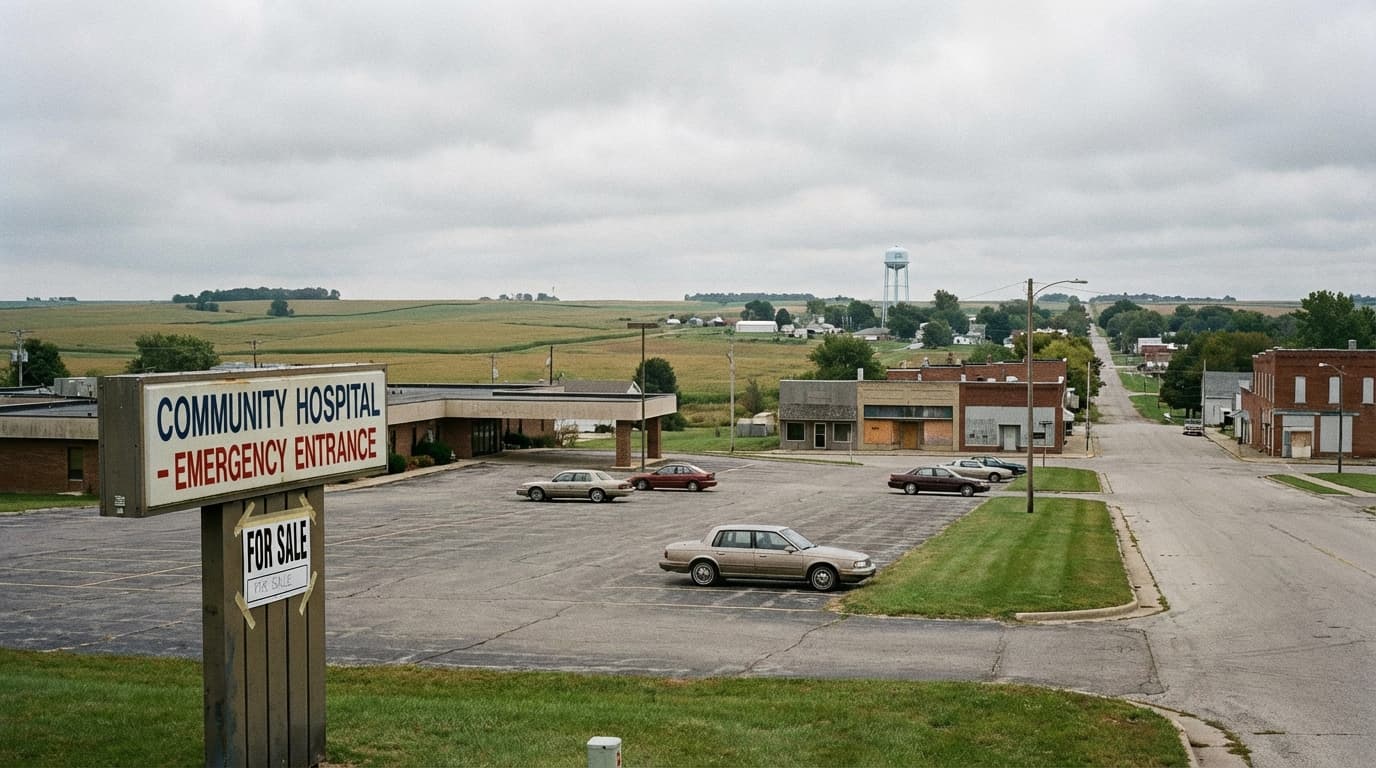
The Rural Care Crisis: An Economic Challenge Beyond Public Health

Healthcare leaders highlight at a recent ViVE conference that sustaining rural hospitals is critical to preserving economic vitality as well as ensuring access to essential care for rural populations. The multifaceted rural healthcare crisis requires attention beyond medical concerns to economic policy and infrastructure.
Rural healthcare in the United States is experiencing a profound crisis that transcends the traditional boundaries of public health, extending into the economic fabric of rural communities. Recent analyses and discussions among healthcare leaders, notably at the ViVE conference in Los Angeles, have underscored the critical interdependence between healthcare access and rural economic stability.
Scope of the Crisis Hundreds of rural hospitals face imminent threats of closure due to financial constraints, workforce shortages, and shifts in healthcare policy. These closures not only reduce access to medical services but also precipitate economic downturns in already vulnerable areas. Rural hospitals often serve as major employers and economic anchors in their communities, so their loss can have cascading effects on local economies.
Economic Implications of Hospital Closures The healthcare infrastructure supports jobs in medical and allied health professions, hospital administration, and ancillary services. The closure of a hospital reduces employment opportunities, shrinks local tax bases, and diminishes patient inflows that support surrounding businesses. Without adequate healthcare services, rural regions become less attractive for residents and businesses, further exacerbating economic decline.
Healthcare Access and Economic Health Access to timely and quality healthcare is fundamental not only for individual well-being but also for maintaining workforce productivity and attracting investment. Rural populations already face disparities including longer travel times to care, fewer providers, and higher rates of chronic diseases. Hospital closures worsen these disparities and create public health risks that can impede economic growth.
Policy and Investment Considerations Experts emphasize the necessity of coordinated policy responses that align healthcare funding with broader economic development strategies. Preservation and innovation in rural healthcare delivery models, such as telehealth, mobile clinics, and community-based care, must be supported alongside sustainable financial mechanisms to keep rural hospitals operational.
Additionally, states and federal agencies must consider economic incentives, infrastructure investments, and workforce development programs targeted at rural healthcare sectors to stabilize and revitalize these critical community pillars.
Toward a Sustainable Future Addressing the rural care crisis demands a holistic approach recognizing healthcare as a key economic driver. Investments in rural health infrastructure will pay dividends not only in improved health outcomes but also in sustaining the social and economic vitality of rural America.
Conclusively, the ongoing rural healthcare crisis represents a multifaceted threat that policymakers, healthcare providers, and community stakeholders must confront collaboratively to safeguard both health and economic prospects for rural populations.
For further details and analysis, refer to the original article here.
Join the BioIntel newsletter
Get curated biotech intelligence across AI, industry, innovation, investment, medtech, and policy—delivered to your inbox.