The New Gold Rush in Brain Science

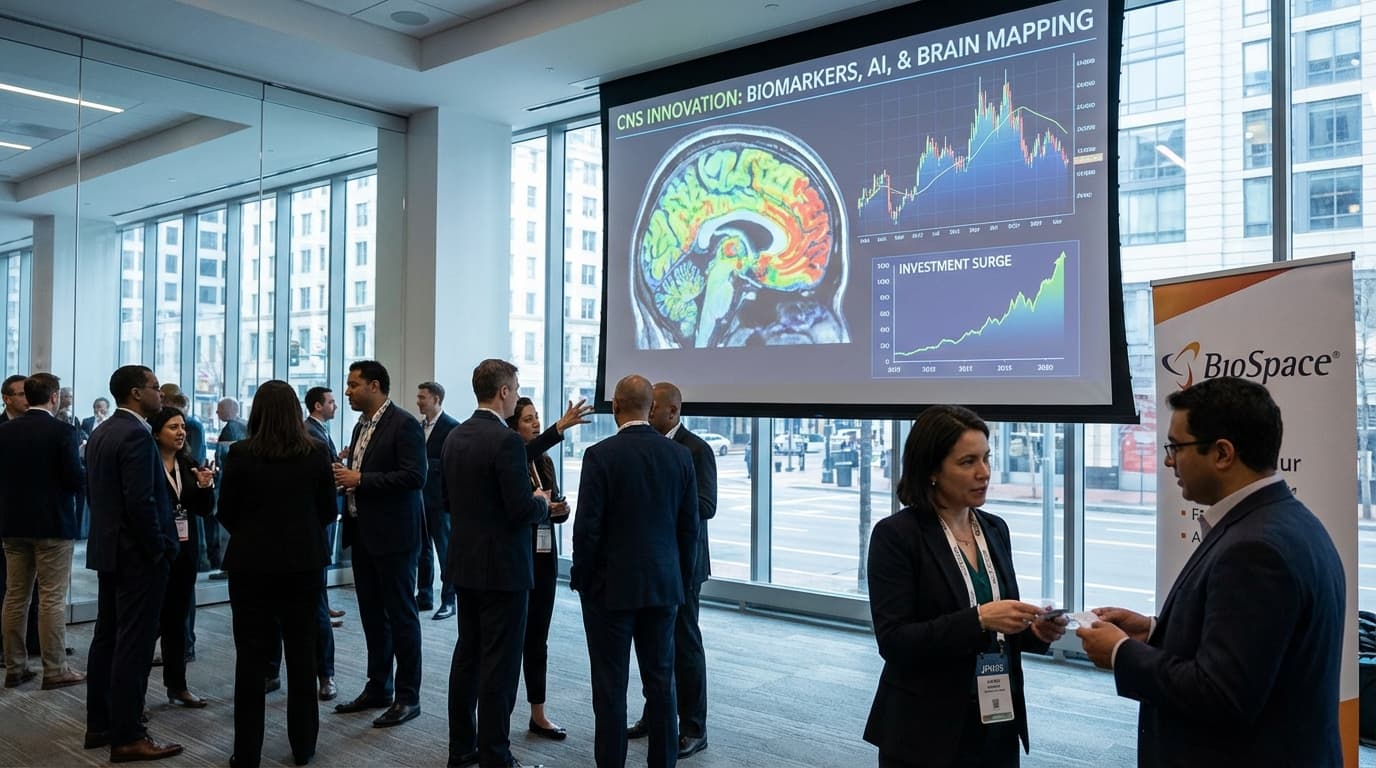
The world of brain science is experiencing unprecedented growth and interest from investors and innovators alike. Enabled by breakthroughs in biomarkers, brain mapping technologies, and AI applications, the field is moving rapidly. This in-depth analysis explores the current landscape of neuroscience investment and innovation, highlighting key trends and insights from the recent JPM26 conference.
The neuroscience and central nervous system (CNS) arena is undergoing a transformative phase that many experts and investors alike are describing as a new gold rush. In recent years, a confluence of technological advancements in biomarkers, brain mapping, and especially artificial intelligence (AI) has dramatically expanded the possibilities for understanding brain function and developing novel therapies. These breakthroughs not only enhance diagnostic precision but also pave the way for innovative treatment approaches for complex brain disorders.
At the heart of this surge in brain science innovation is the ability to decode the brain's intricate mechanisms with unprecedented clarity. Biomarkers—biological indicators of disease state or progression—are becoming increasingly sophisticated, allowing for earlier and more accurate detection of neurological conditions. Parallel to this, advanced brain mapping techniques, leveraging imaging technologies such as functional MRI and other modalities, provide spatial and functional data that inform both research and clinical applications.
Artificial intelligence plays a pivotal role in integrating and analyzing vast datasets derived from these technologies. AI algorithms are being developed to sift through multifaceted brain data, identify patterns that might elude human observation, and even predict outcomes or therapeutic responses. This melding of AI with neuroscience tools accelerates the pace of discovery and holds promise for personalized medicine in neurology and psychiatry.
Despite these impressive strides, the journey is not without its challenges. Neuro and CNS drug development traditionally face high rates of failure, lengthy clinical trial timelines, and significant costs. Notwithstanding these hurdles, investor enthusiasm remains robust. Insights gathered at the JPM26 healthcare conference reveal sustained or even increased investments in neurotech startups and pharmaceutical ventures exploring CNS therapies.
Investors are taking a nuanced approach by supporting a broad spectrum of companies: from early-stage innovators focusing on brain-computer interfaces and neurostimulation devices, to biotech firms developing first-in-class molecules targeting neurological diseases such as Alzheimer's, Parkinson's, and epilepsy. Additionally, companies harnessing AI to optimize clinical trial design or improve patient stratification are attracting significant funding.
This ecosystem's evolution indicates a maturing understanding of how technology can intersect with biology to reshape brain disease management. The convergence of computational power, data availability, and novel scientific approaches fosters an environment ripe for breakthroughs that could transform patient outcomes globally.
This transformative period labeled by many as the new gold rush in brain science reflects both the immense challenges and boundless opportunities in the field. As stakeholders—including researchers, clinicians, investors, and patients—navigate this dynamic landscape, the collective momentum provides cautious optimism for substantial advances in diagnosing and treating CNS conditions.
Through ongoing collaboration and innovation, the pursuit of unlocking the brain's mysteries continues to gather pace. The coming years are poised to witness further integration of AI with neuroscience, deeper biomarker discovery, and the commercialization of cutting-edge neurotech solutions tasked with addressing some of the most complex medical needs.
The current landscape underscores not only the economic incentives but also the profound human impact potential embedded in brain science research and development. Investment trends suggest that this gold rush is far from a fleeting phenomenon; rather, it appears to be an enduring and exciting frontier shaping the future of medicine.
As the field progresses, stakeholder engagement and regulatory adaptation will be critical to sustaining innovation momentum, ensuring safety, and translating discoveries into effective therapies accessible to those in need.
Source information for this overview was garnered from conversations and data presented at the JPM26 healthcare conference, as reported by BioSpace.
Join the BioIntel newsletter
Get curated biotech intelligence across AI, industry, innovation, investment, medtech, and policy—delivered to your inbox.