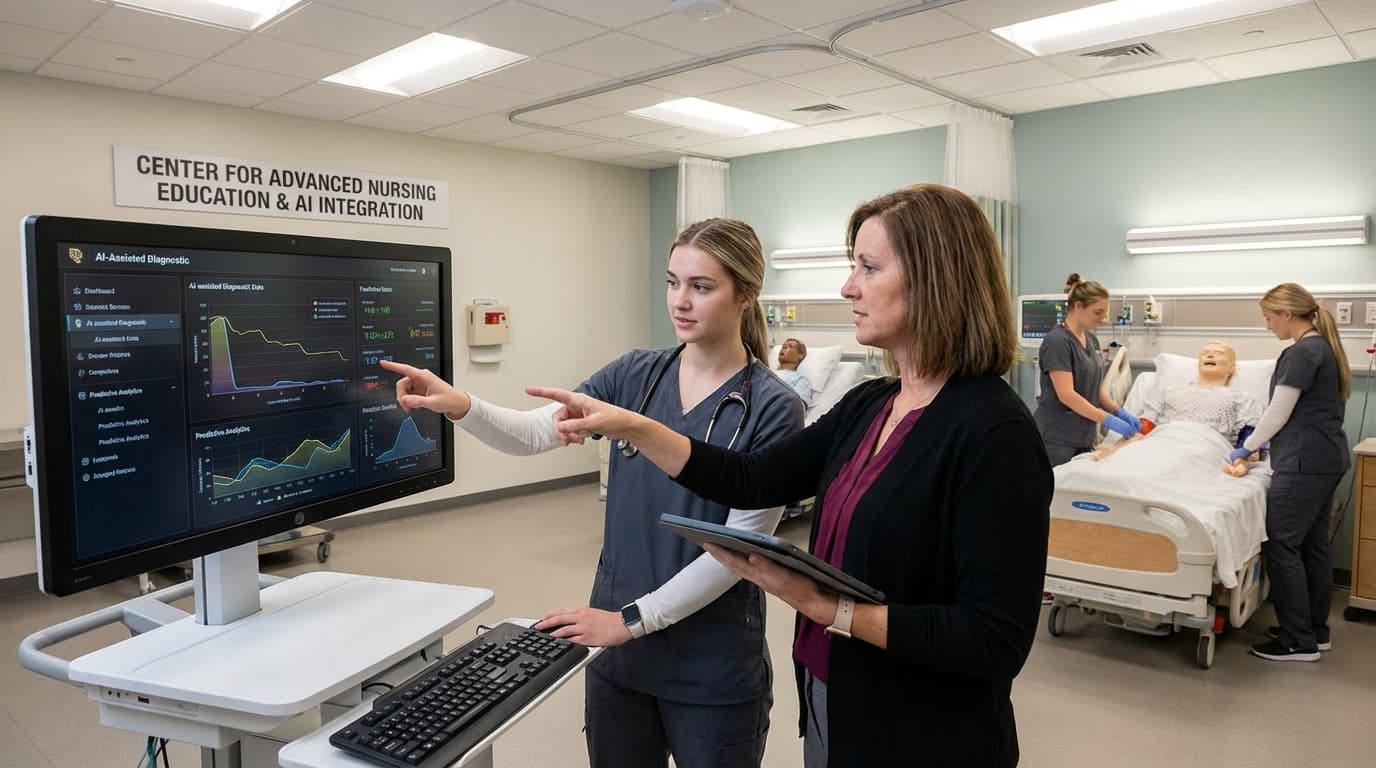
AI is Transforming Nursing Education and Elevating Expectations for New Graduates

The integration of AI into nursing education is setting new standards for what is expected of graduating nurses. Early immersion in AI tools fosters adaptability and proficiency, empowering nurses to deliver high-quality care in technologically advanced healthcare environments.
AI's Growing Impact on Nursing Education and Graduate Competency Expectations
In the evolving landscape of healthcare, artificial intelligence (AI) is playing a pivotal role in transforming nursing education. This modern shift imparts new expectations on fresh nursing graduates, fundamentally changing how they approach the clinical environment. Nurses today are not only caregivers but also adept operators of sophisticated technological systems integral to patient care.
Early Exposure to AI: A Crucial Advantage
One of the key advantages presented in contemporary nursing education is early exposure and familiarity with AI technologies. Engaging nursing students with AI-driven tools during their training phases provides them with a foundation that benefits the entire healthcare system. Early experience means that nurses gain comfort and confidence in leveraging AI to enhance patient care, optimizing clinical workflows and decision-making processes.
Navigating Complex Clinical Environments
Healthcare environments are becoming increasingly complex with the integration of AI-powered diagnostics, monitoring tools, and data analytics systems. Nurses, being on the frontline, must adapt to these evolving technologies to maintain high-quality care standards. With AI competency, nurses are better equipped to interpret clinical data, anticipate patient needs, and act swiftly with informed decisions.
Implications for Curriculum Development
The infusion of AI into nursing curricula signals an important trend—educational institutions must continuously evolve their syllabi to encompass AI literacy and practical skills. This includes learning about AI applications in electronic health records (EHRs), telehealth, predictive analytics, and automated medical devices. Preparing nurses with this skill set not only boosts their individual capabilities but also ensures healthcare facilities operate more efficiently and safely.
Raising the Bar on Graduate Expectations
As AI technologies become ubiquitous in healthcare settings, there is an increasing expectation for new graduates to possess a proficient understanding of these systems. Employers now seek nurses who can seamlessly integrate AI tools into daily tasks, enhancing patient outcomes and operational productivity. Graduates who lack this proficiency may find themselves at a distinct disadvantage in the job market.
Broad Benefits to Healthcare Delivery
The benefits of AI-competent nursing staff extend beyond technological ease. They contribute to reduced errors, better patient monitoring, and personalized care plans. AI tools automate routine tasks, enabling nurses to focus more on patient interaction and nuanced clinical assessments. This symbiosis of human skill and AI capability represents the future of effective nursing care.
Conclusion
The transformation of nursing education through AI integration represents a vital progression in healthcare. It raises the competency expectations for new graduates, urging nursing programs to adapt and prepare students comprehensively. Nurses who emerge from this new educational paradigm are better positioned to face the challenges of modern clinical environments, ensuring improved patient care and streamlined healthcare operations.
Source: MedCity News
This article provides an in-depth analysis of how AI is reshaping nursing education and the corresponding shift in expectations from new graduates in the healthcare sector.
Join the BioIntel newsletter
Get curated biotech intelligence across AI, industry, innovation, investment, medtech, and policy—delivered to your inbox.