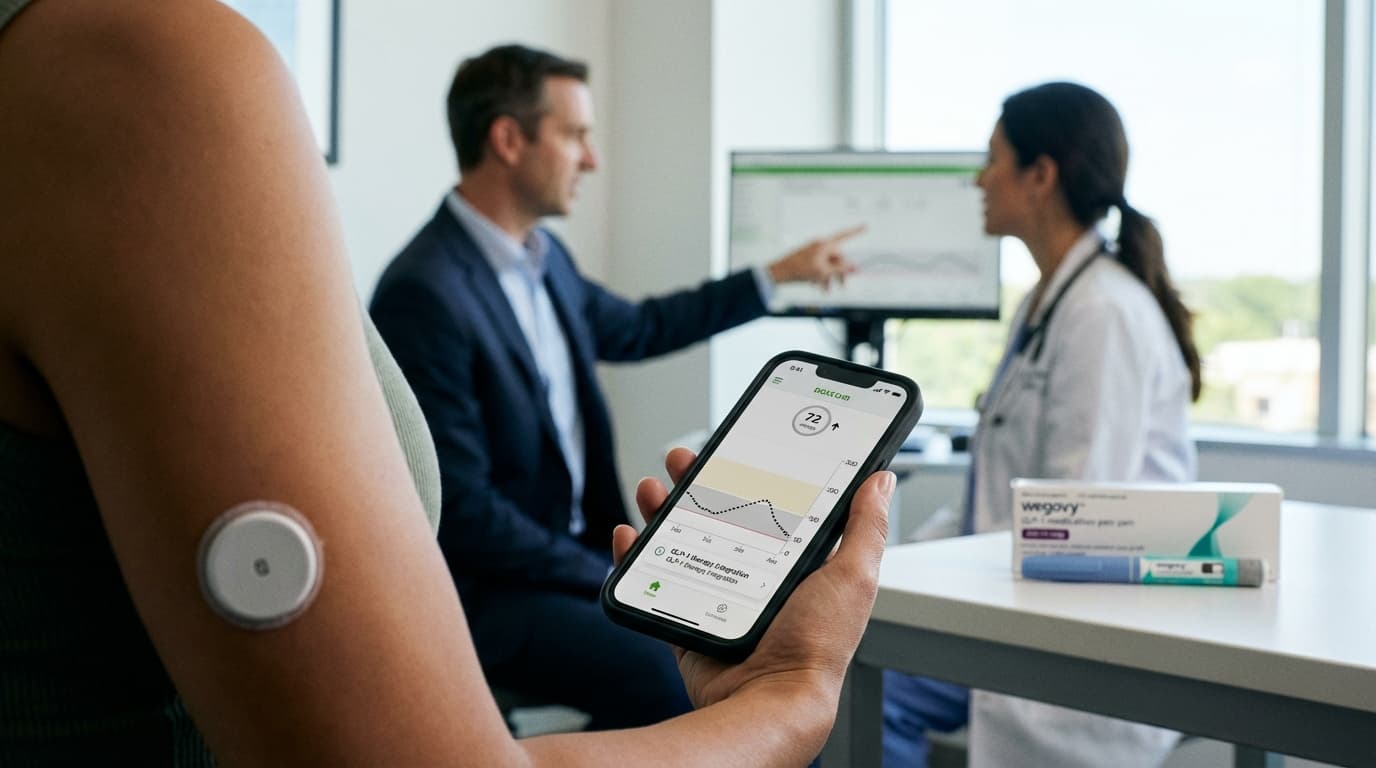
DexCom’s CEO Advocates Continuous Glucose Monitoring for Diabetics Using GLP-1 Therapies

Jake Leach assumed leadership of DexCom with a mission to revitalize the company’s impact in diabetes management. He advocates that type 2 diabetics on GLP-1 weight loss drugs should also utilize CGMs, reflecting a growing intersection of diabetes technologies and therapies. This perspective highlights the evolving standards in diabetes care and DexCom’s innovative role within it.
Continuous glucose monitoring (CGM) has transformed diabetes management by providing real-time insights into glucose levels, enabling more precise and dynamic treatment adjustments. Under recent leadership changes at DexCom, the company behind one of the leading CGM systems, there is a renewed focus on expanding CGM use among broader patient groups, particularly those taking glucagon-like peptide-1 receptor agonists (GLP-1s).
Understanding CGMs and GLP-1 Therapies
CGMs are wearable devices that continuously measure glucose concentrations in interstitial fluid, offering diabetics detailed trends beyond the traditional finger-prick blood glucose tests. This technology enables proactive glucose control and better management of glycemic variability.
GLP-1 receptor agonists are a class of medications used primarily in type 2 diabetes treatment and increasingly prescribed for weight management. They improve blood sugar control by enhancing insulin secretion in response to high blood glucose levels and by reducing appetite, leading to weight loss. Drugs like Wegovy, developed by Novo Nordisk, have brought significant attention to the potential of GLP-1s for diabetes and obesity management.
DexCom’s Strategic Vision Under New Leadership
Jake Leach took over as DexCom’s chief executive at the beginning of the year, tasked with steering the company through a competitive medtech landscape and capturing new growth opportunities. One of his key perspectives is that patients using GLP-1 therapies should also adopt CGM technology. The rationale is that CGMs can complement GLP-1s by providing continuous feedback on glucose levels, which helps patients and clinicians optimize therapy effectiveness and safety.
Leach’s approach represents a forward-looking strategy to integrate medtech with pharmaceutical treatments for diabetes, fostering a more comprehensive disease management ecosystem. This integration could lead to improved patient adherence, individualized care plans, and ultimately better clinical outcomes.
The Broader Industry Context
The diabetes care market is rapidly evolving, with increasing overlaps between drug therapies and digital health devices. CGMs have moved from niche use in type 1 diabetes to broader applications, including many type 2 diabetes populations. Simultaneously, GLP-1s have emerged as a blockbuster pharmaceutical class with successful drugs driving revenue growth for companies like Novo Nordisk and Eli Lilly.
The intersection of these technologies marks a shift in how diabetes is managed—with data-driven, personalized treatment playing an ever larger role. DexCom’s CEO positioning CGMs as a complementary tool for GLP-1 patients aligns with trends in precision medicine and the use of continuous monitoring to unravel nuances of individual treatment response.
Implications for Patients and Providers
For patients, combining CGMs with GLP-1 therapy could significantly enhance management efficacy by revealing real-time glucose responses to medications and lifestyle factors, enabling timely adjustments. For healthcare providers, having continuous glucose data facilitates informed decision-making and supports proactive interventions.
Conclusion
DexCom’s leadership message highlights a transformative moment in diabetes management where technological innovation meets pharmacological advancement. Encouraging CGMs for diabetics on GLP-1 therapies underscores the value of integrated care approaches that could improve outcomes while also positioning DexCom as a key player in the evolving treatment landscape.
By embracing this vision, DexCom aims to not only advance device adoption but also contribute to the comprehensive health solutions that modern diabetes care demands.
Source: MedCity News
Join the BioIntel newsletter
Get curated biotech intelligence across AI, industry, innovation, investment, medtech, and policy—delivered to your inbox.