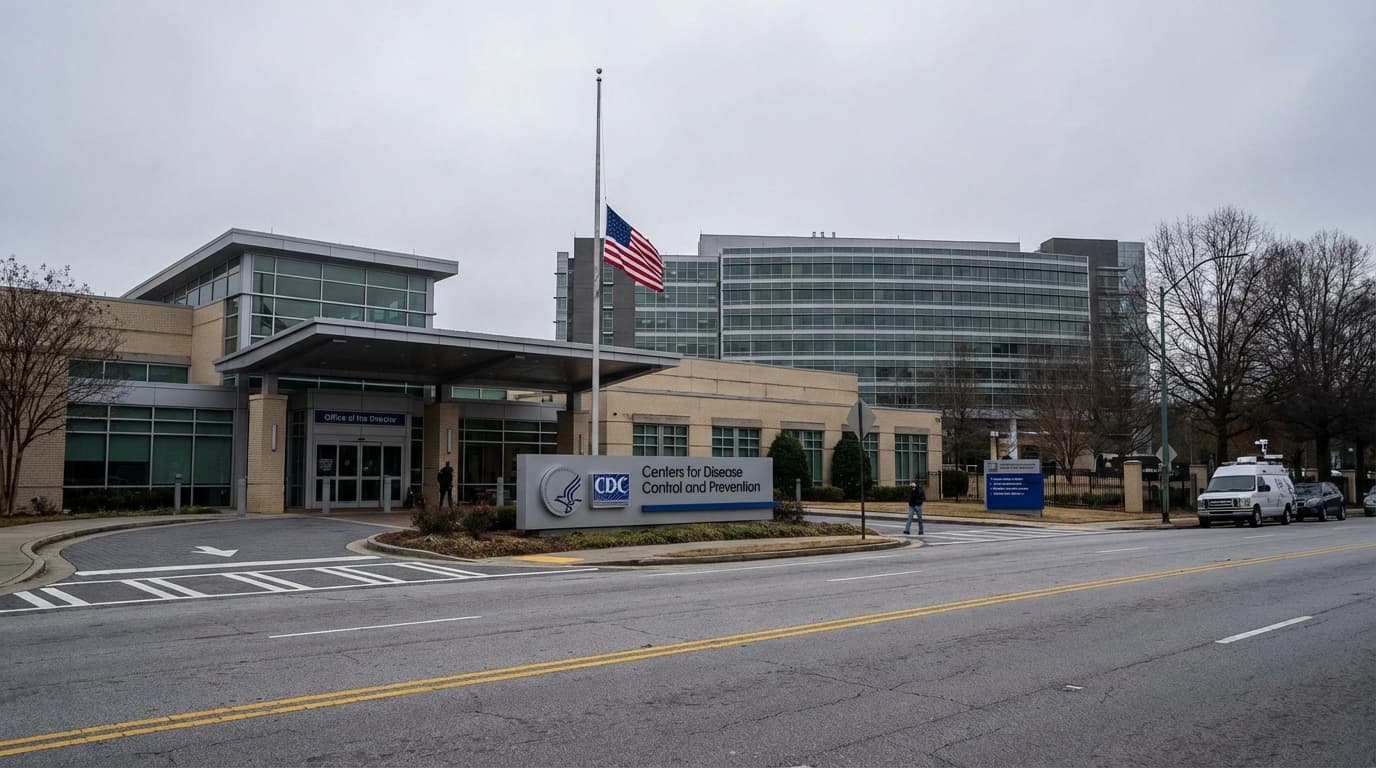
Leadership Void Deepens at CDC as Acting Director Departs Amid Growing Turmoil

The Centers for Disease Control and Prevention (CDC) is currently navigating a turbulent period marked by leadership instability. The departure of the acting director has intensified concerns over the agency’s capability to manage public health effectively without confirmed leadership at the helm.
The Centers for Disease Control and Prevention (CDC) is enduring a significant leadership crisis following the exit of its acting director, a move that underscores the agency's ongoing struggle with the absence of a permanent, Senate-confirmed leader. This leadership vacuum not only hampers the CDC's operational stability but also poses risks to its ability to respond effectively to public health challenges.
Historically, the CDC has relied on strong, stable leadership to guide its critical functions in disease prevention and health promotion across the United States. However, the current scenario is characterized by uncertainty and instability as interim leaders cycle through positions without the solid anchoring that confirmed appointments provide.
The importance of having a Senate-confirmed CDC director extends beyond mere administrative formality. This role is pivotal in setting strategic priorities, securing funding, fostering interagency collaboration, and maintaining public trust. The lack of such leadership can lead to diminished agency morale, inefficient policy implementation, and a slower response to emergent health threats.
Furthermore, the ongoing leadership void has drawn attention from policymakers and public health advocates who emphasize the necessity of swift nominations and confirmations to restore confidence and functionality within the CDC. The agency faces mounting pressure to navigate numerous complex health issues including infectious disease control, chronic disease management, and emergency preparedness amid this leadership disruption.
In this context, the exit of the acting director serves as a catalyst highlighting systemic deficiencies in the federal appointment process and the political challenges that delay the confirmation of qualified public health leaders. The repercussions of this leadership gap may affect the CDC’s ability to innovate, coordinate nationwide initiatives, and uphold the nation’s health security.
These realities underscore a broader conversation about the need for renewed commitment from political leadership to prioritize the nomination and confirmation of capable leaders to vital public health institutions like the CDC. Without such focus, the agency risks prolonged operational instability, which could undermine its historically essential role in safeguarding public health.
For the foreseeable future, stakeholders in public health, government, and the community at large will be closely monitoring developments within the CDC’s leadership structure. The hope remains that effective leadership appointments will soon bring stability, renewed vision, and enhanced capacity to one of the nation’s most critical health agencies, ensuring it can continue to serve and protect the public effectively.
This situation serves as a stark reminder of how leadership dynamics within federal health agencies can profoundly impact public health outcomes, policy delivery, and national preparedness.
Source: STAT News.
Join the BioIntel newsletter
Get curated biotech intelligence across AI, industry, innovation, investment, medtech, and policy—delivered to your inbox.