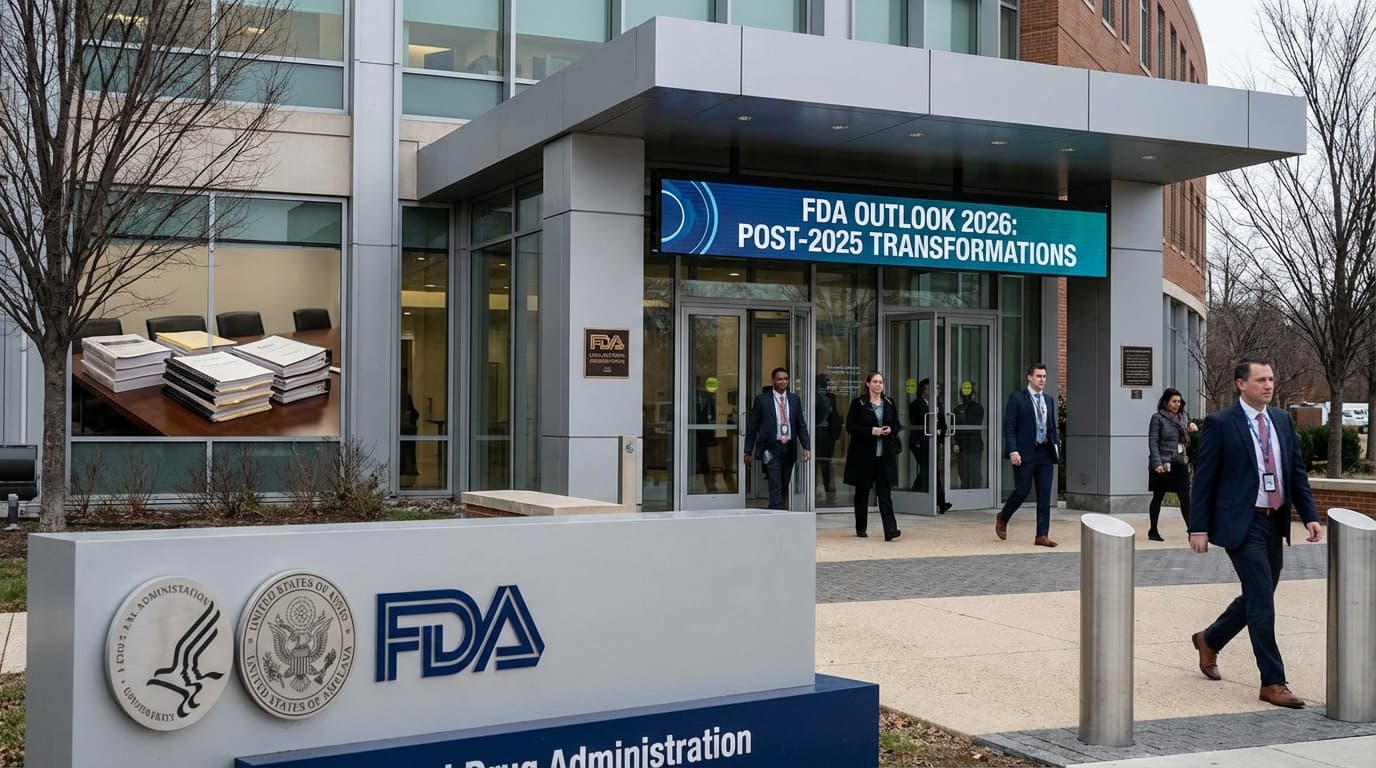
2025 Reshaped the FDA. What Will 2026 Hold?

The first year of the second Trump administration saw a reshaping of the FDA’s approach that directly impacted the pharmaceutical industry. Reviewing key trends from 2025 will provide valuable insights on how to navigate and capitalize on regulatory developments in 2026.
The Food and Drug Administration (FDA) underwent significant shifts in 2025, movements that have created a profound impact on the regulatory and business environment surrounding drug development, approval, and marketing. These changes are critical for pharmaceutical companies, biotech firms, and healthcare stakeholders aiming to successfully engage with the FDA in the current regulatory climate.
During 2025, the FDA's policies and procedures evolved substantially under the second Trump administration, introducing new levels of business risk and opportunity. It's important for industry participants to grasp these regulatory trends as we move deeper into 2026 to strategically position themselves for success.
Key policy modifications throughout 2025 have reshaped the FDA’s operational approach, potentially affecting timelines for drug approvals, regulatory compliance requirements, and oversight on new medical technologies. These changes influence everything from clinical trial protocols to post-market surveillance, necessitating a deep understanding by companies about how submissions are assessed and how products are monitored after entering the market.
Moreover, the agency's priorities have been realigned, focusing on accelerating innovation while balancing public health protections more dynamically. This recalibration means companies must be agile in their regulatory strategies, adapting to enhanced emphasis on emerging therapies, expedited review processes, and updated guidelines that may offer new pathways for faster approvals.
Understanding these 2025 trends becomes a cornerstone for companies developing regulatory strategies in 2026, especially as the industry navigates an increasingly complex landscape marked by heightened scrutiny, political influences, and evolving standards for clinical evidence. Adopting a proactive regulatory stance will help companies mitigate risks, leverage new opportunities, and engage more effectively with regulatory authorities.
Furthermore, the intersection of politics and regulatory science in 2025 necessitates that biopharmaceutical stakeholders remain vigilant and well-informed. Policy decisions get shaped not just by science but by broader governance dynamics, with implications for compliance, enforcement, and public communications around approved products.
As the year progresses, it will be crucial to watch several trends that took root in 2025, including changes to priority review processes, adjustments in drug pricing policies, and the agency’s interactions with emerging technologies such as artificial intelligence in medical decision-making. These elements collectively form the backdrop for FDA’s role in fostering innovation while ensuring that patient safety remains paramount.
In conclusion, the transformative developments at the FDA in 2025 signal a year of important changes ahead in 2026. Firms aiming for success in navigating regulatory pathways must engage deeply with these shifts to optimize their strategic planning and regulatory compliance activities.
For more detailed insights, please visit the original analysis at BioSpace.
Join the BioIntel newsletter
Get curated biotech intelligence across AI, industry, innovation, investment, medtech, and policy—delivered to your inbox.