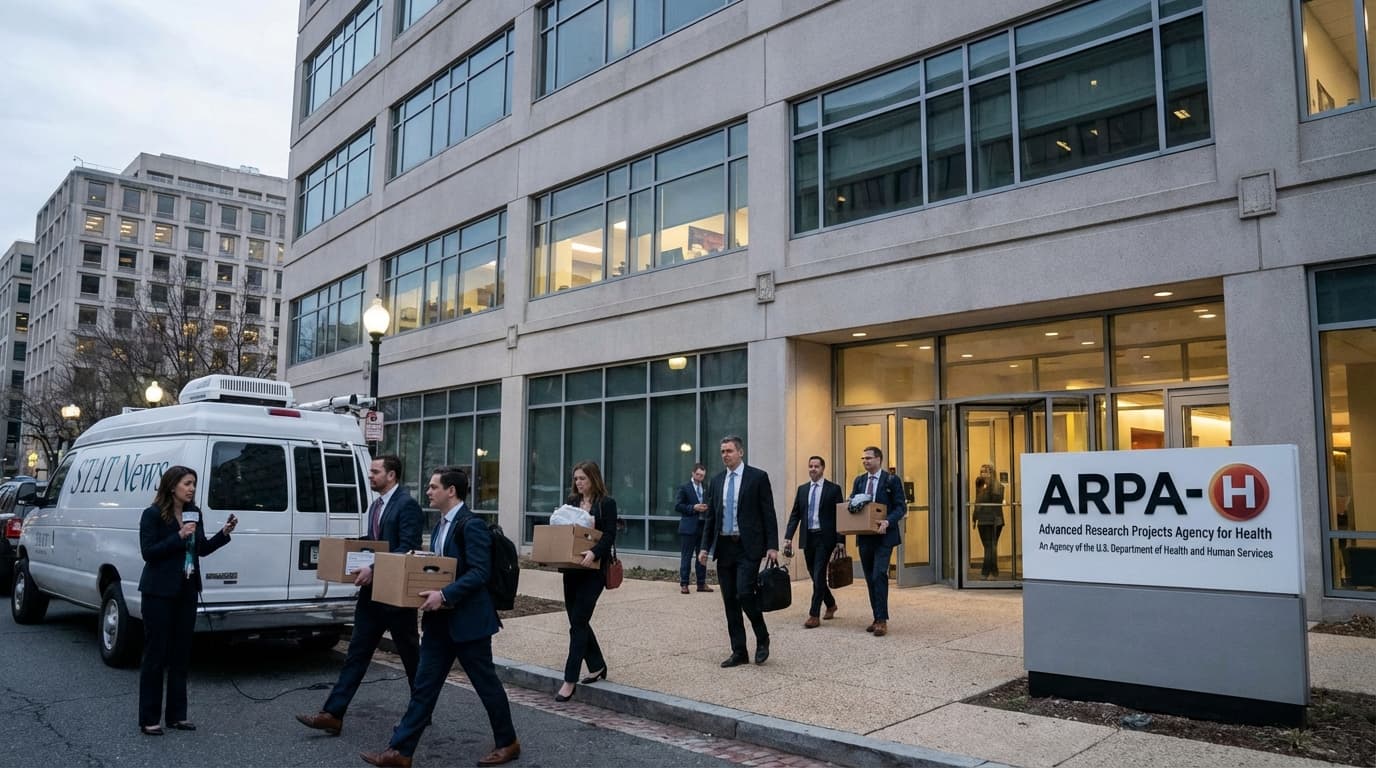
ARPA-H Restructures: Layoffs Impact Biomedical Commercialization Staff

As Alicia Jackson assumes leadership of ARPA-H, shifts in organizational priorities are evident with the recent layoffs affecting key personnel tasked with translating research advancements into commercial applications. This move signifies possible strategic recalibrations within the agency as it navigates its next phase.
The Advanced Research Projects Agency for Health (ARPA-H), created with the ambitious goal of accelerating biomedical innovation through a DARPA-inspired approach, has recently undergone an organizational shift marked by layoffs involving staff dedicated to commercialization efforts. This development comes as Alicia Jackson takes the helm as the new director of ARPA-H, signaling a potential reorientation of the agency's strategies and operational focus.
ARPA-H was established with a mandate to drive breakthrough health research by fostering high-risk, high-reward projects and bridging gaps that historically slow the translation of scientific discoveries into tangible health products. Central to this mission is the commercialization of biomedical innovations, a pivotal step ensuring that advances made in laboratories benefit patients and healthcare systems.
The decision to reduce staff specifically engaged in commercialization functions may reflect changing internal priorities or responses to fiscal pressures. It raises critical questions about how ARPA-H intends to balance its roles in early-stage research innovation with pathways that bring these innovations to market effectively.
Commercialization expertise within biomedical research sectors often entails navigating complex regulatory landscapes, market analyses, intellectual property management, and partnerships with industry stakeholders. Losing such specialized staff could slow ARPA-H's ability to efficiently transition projects from concept to commercial product.
Director Alicia Jackson, with her fresh leadership, faces the challenge of steering ARPA-H through this transition while maintaining momentum on cutting-edge research projects. Her strategy must address how to sustain innovation pipelines while ensuring that promising breakthroughs achieve clinical and market success.
Stakeholders within the biomedical innovation ecosystem, including researchers, industry partners, and policymakers, will closely monitor these developments. The restructuring may redefine ARPA-H's role and influence in the national and global health innovation landscapes.
Contextually, ARPA-H operates amid an increasingly complex environment where government agencies, private biotech firms, and academic researchers collaborate and compete to accelerate medical breakthroughs. The agency's capacity to integrate commercialization expertise is crucial in translating investment into meaningful health outcomes.
Future updates will be critical to understanding whether ARPA-H will reinvest in commercialization capabilities or pivot toward other modalities of supporting biomedical innovation. The impact of these layoffs on ongoing projects and the overall strategic trajectory of ARPA-H will inform broader discussions about the agency's effectiveness and contribution to healthcare advancement.
As this story evolves, ongoing analysis will be necessary to evaluate how ARPA-H's restructuring influences the landscape of biomedical innovation and commercialization strategies in the United States.
For more detailed information, visit the original report at STAT News: https://www.statnews.com/2026/02/06/arpa-h-layoffs-include-biomedical-commercialization-staff/?utm_campaign=rss
Join the BioIntel newsletter
Get curated biotech intelligence across AI, industry, innovation, investment, medtech, and policy—delivered to your inbox.