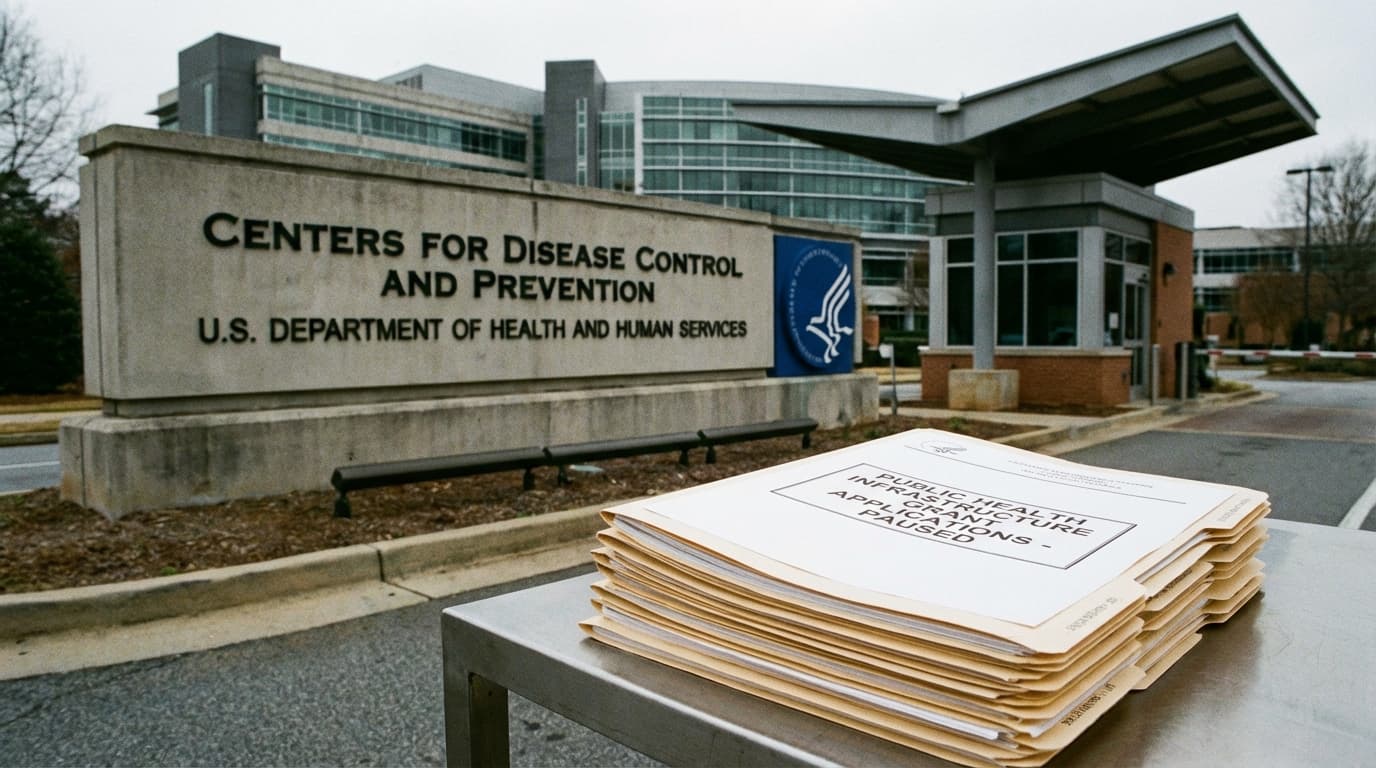
CDC Pauses Billions in Public Health Infrastructure Grants to States: Implications and Challenges Ahead

The Centers for Disease Control and Prevention (CDC) has unexpectedly halted the disbursement of billions in public health infrastructure grants to various states and organizations. This pause threatens to disrupt modernization projects vital for disease surveillance, emergency preparedness, and health data interoperability. The move comes amid growing scrutiny over federal funding allocations and priorities in the aftermath of the pandemic.
The recent announcement by the Centers for Disease Control and Prevention (CDC) to pause more than 100 grants dedicated to public health infrastructure has sent ripples through the health community, policymakers, and state agencies across the United States. This unprecedented suspension involves billions of dollars intended for updating and reinforcing the foundation of public health projects, including disease tracking, emergency response, and health data modernization.
Background and Scope of CDC Public Health Grants
The funding from CDC grants plays a pivotal role in enabling states and local health departments to develop, maintain, and enhance comprehensive public health infrastructure. These grants target a spectrum of initiatives: bolstering laboratory capacity; integrating advanced surveillance systems; expanding workforce training; and fostering innovation in public health data exchange and interoperability. Prior to this pause, states were actively leveraging these funds to address persistent challenges exposed during recent health crises, such as the COVID-19 pandemic.
Possible Reasons Behind the Pause
While the CDC has not provided exhaustive details regarding the precise catalysts for the pause, several plausible factors merit consideration.
Firstly, federal agencies often conduct periodic reviews to ensure compliance with regulatory standards and to evaluate the effectiveness and alignment of funded projects with national public health priorities. There may be emerging concerns around the governance, management, or utilization of these grants that prompted a temporary hold.
Secondly, budgetary adjustments or shifts in policy focus could be influencing the CDC’s decisions. The changing political and fiscal landscape often impacts how public health dollars are allocated and spent.
Lastly, the agency might be undertaking a broader strategy overhaul aimed at restructuring public health funding mechanisms to optimize impact and accountability.
Impact on State-Level Public Health Initiatives
The abrupt suspension of grants comes at a critical juncture where states had mapped out extensive plans to upgrade their health infrastructure. The effects are multifaceted:
-
Delayed Modernization Projects: Many states face setbacks in implementing technology upgrades essential for real-time disease monitoring and data sharing.
-
Workforce and Training Limitations: Funding interruptions curtail opportunities to recruit, train, and retain skilled public health personnel.
-
Public Health Emergency Preparedness: States’ capacities to prepare for and respond to health emergencies, including outbreaks or natural disasters, could be compromised.
-
Research and Innovation Stagnation: The pause could slow advancements in public health informatics and innovative interventions crucial for future preparedness.
National and Global Context
This development is especially significant considering the increasing emphasis on strengthening public health systems globally to counter emerging infectious diseases, bioterrorism threats, and chronic illness burden. The U.S. public health infrastructure serves as a model and frontline defense; thus, interruptions in funding may have cascading effects beyond domestic borders.
Stakeholder Reactions and Responses
Public health officials express concern about the uncertainties introduced by this funding halt. State health departments seek clarity on timelines and criteria for resuming grant disbursements. Meanwhile, advocacy groups and public health experts emphasize the need for transparency and consistent support to achieve sustainable infrastructure improvements.
On the federal front, policymakers are expected to deliberate on balancing fiscal stewardship with the imperative to equip states adequately. Reinvigorating investment in public health infrastructure remains a bipartisan objective, yet operationalizing this amidst competing priorities demands strategic focus.
Looking Ahead: Potential Implications and Opportunities
The suspension could serve as a catalyst for reassessing and refining public health funding frameworks, ushering in enhancements in resource allocation oversight and strategic alignment. However, interim disruptions necessitate states to identify alternative funding avenues to maintain momentum.
Collaboration between federal, state, and local entities—alongside private sector partnerships—might emerge as critical to bridging gaps during this pause. Additionally, leveraging innovations such as digital health solutions and AI-driven epidemiology could bolster resiliency against funding uncertainties.
Conclusion
The CDC’s decision to pause billions in public health infrastructure grants underscores the fragility and complexity of funding mechanisms critical for a robust health system. While the pause prompts immediate challenges and concerns for states and communities, it also invites an opportunity to critically evaluate and strengthen the foundational aspects of public health investment and governance.
The path forward will require transparent communication, coordinated action by governmental agencies, and sustained commitment to building resilient and adaptive public health infrastructure.
For ongoing updates and detailed analysis on public health funding and infrastructure, follow related reports and expert commentary.
(Source: STAT News)
Join the BioIntel newsletter
Get curated biotech intelligence across AI, industry, innovation, investment, medtech, and policy—delivered to your inbox.