Clinical Trial Holds Cast Doubt on Approval Chances of Regenxbio Gene Therapy for Rare Disease

Recent regulatory developments have put Regenxbio's gene therapy programs for rare diseases under significant scrutiny. This article examines the implications of FDA clinical holds, potential safety concerns, and the broader context of gene therapy regulation in rare disease treatment.
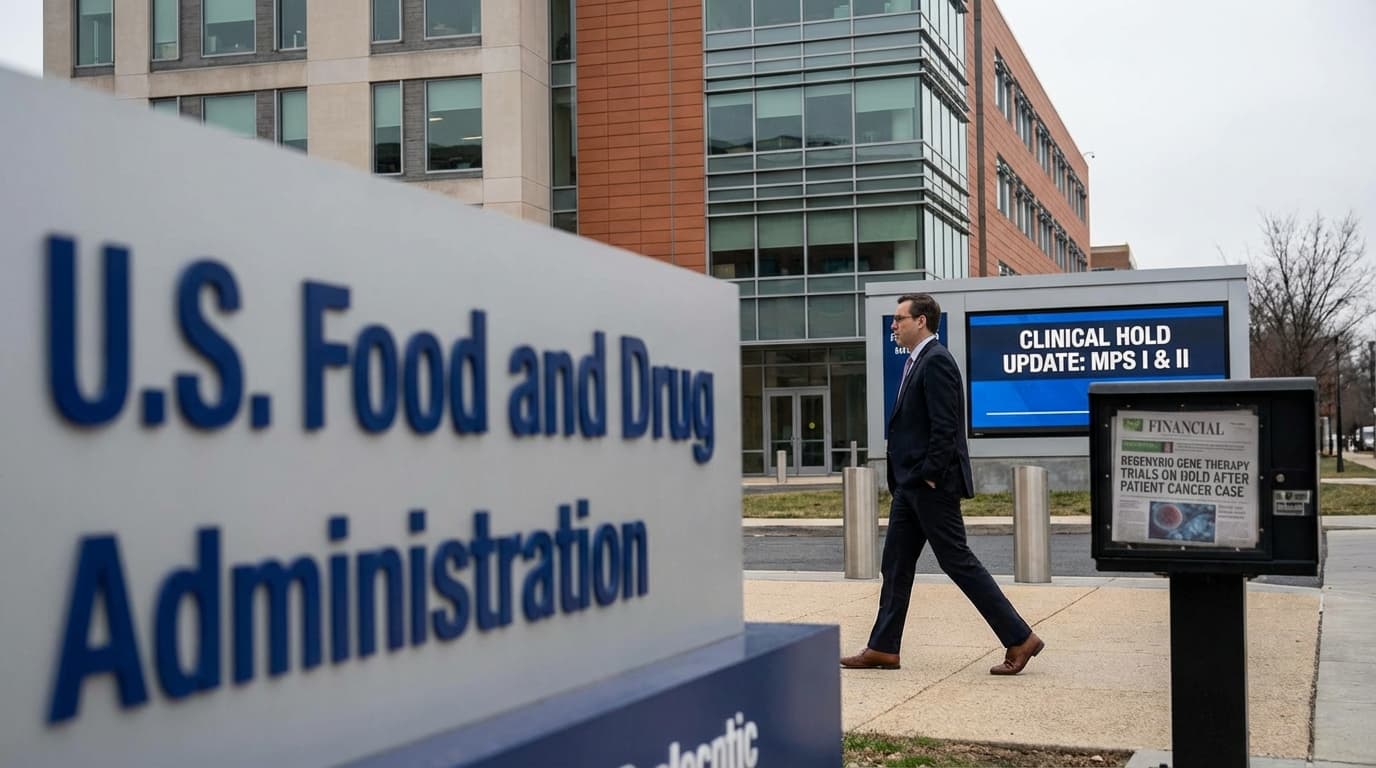
The landscape of gene therapy for rare diseases has taken a consequential turn following the FDA's decision to place clinical holds on two Regenxbio gene therapy trials. These holds occurred subsequent to the troubling discovery of cancer developing in a patient enrolled in one of the studies. This development not only delays Regenxbio's progress in addressing devastating rare diseases such as Hurler and Hunter syndromes, but it also raises critical questions about the safety and regulatory scrutiny of gene therapies aiming to address such conditions.
Regenxbio's candidates represent innovative attempts to leverage gene therapy technology for inherited lysosomal storage disorders, which are characterized by enzyme deficiencies leading to severe systemic complications. The halted trials were focused on mucopolysaccharidosis (MPS) types I and II, better known as Hurler and Hunter syndromes respectively—disease areas with unmet medical needs and limited therapeutic options.
The FDA's clinical hold effectively pauses patient enrollment and dosing in the affected trials while the regulatory agency reviews data related to the oncogenic event. Such holds are precautionary but highlight regulatory vigilance on genomic therapies, especially in light of potential insertional mutagenesis or off-target effects that could trigger malignancies.
While the full details on the cancer case have not been publicly disclosed, the incident brings to the forefront the inherent risks of gene therapy technologies, including viral vector integration and long-term safety profiles. Past experiences in gene therapy development have shown that these concerns need rigorous monitoring and can impact the timeline and feasibility of regulatory approvals.
This regulatory action coincides with a broader evolution in the FDA's framework for gene therapies, where there is heightened emphasis on patient safety, transparent data sharing, and robust post-approval surveillance. Meanwhile, Regenxbio must respond with additional preclinical or clinical data to address FDA questions and demonstrate that the therapeutic benefit outweighs safety risks.
The implications of these trial holds extend beyond Regenxbio alone. They underscore the delicate balance for developers between breakthrough innovation in rare diseases and the uncompromising safety standards demanded by regulatory agencies worldwide. For patients and advocacy groups, the delay is a setback in the hope for transformative treatments.
At the same time, Regenxbio's situation occurs amidst other regulatory developments including approvals and complete response letters in the rare disease therapeutic space—highlighting an active but cautious regulatory environment. For investors and stakeholders, the clinical holds may affect pipeline valuation and strategic partnerships.
In conclusion, Regenxbio's gene therapy clinical holds serve as a critical case study demonstrating that while gene therapies hold promise for rare diseases, rigorous scrutiny and patient safety considerations remain paramount. The path forward will require transparent communication, sustained research, and close collaboration with regulatory authorities to navigate these challenges and ultimately deliver new treatment options for patients with rare conditions.
For more detailed coverage of this story and further insights into regulatory developments in gene therapy and rare diseases, please visit the source at MedCity News: Clinical Trial Holds Cast Doubt on Approval Chances of Regenxbio Gene Therapy for Rare Disease.
Join the BioIntel newsletter
Get curated biotech intelligence across AI, industry, innovation, investment, medtech, and policy—delivered to your inbox.