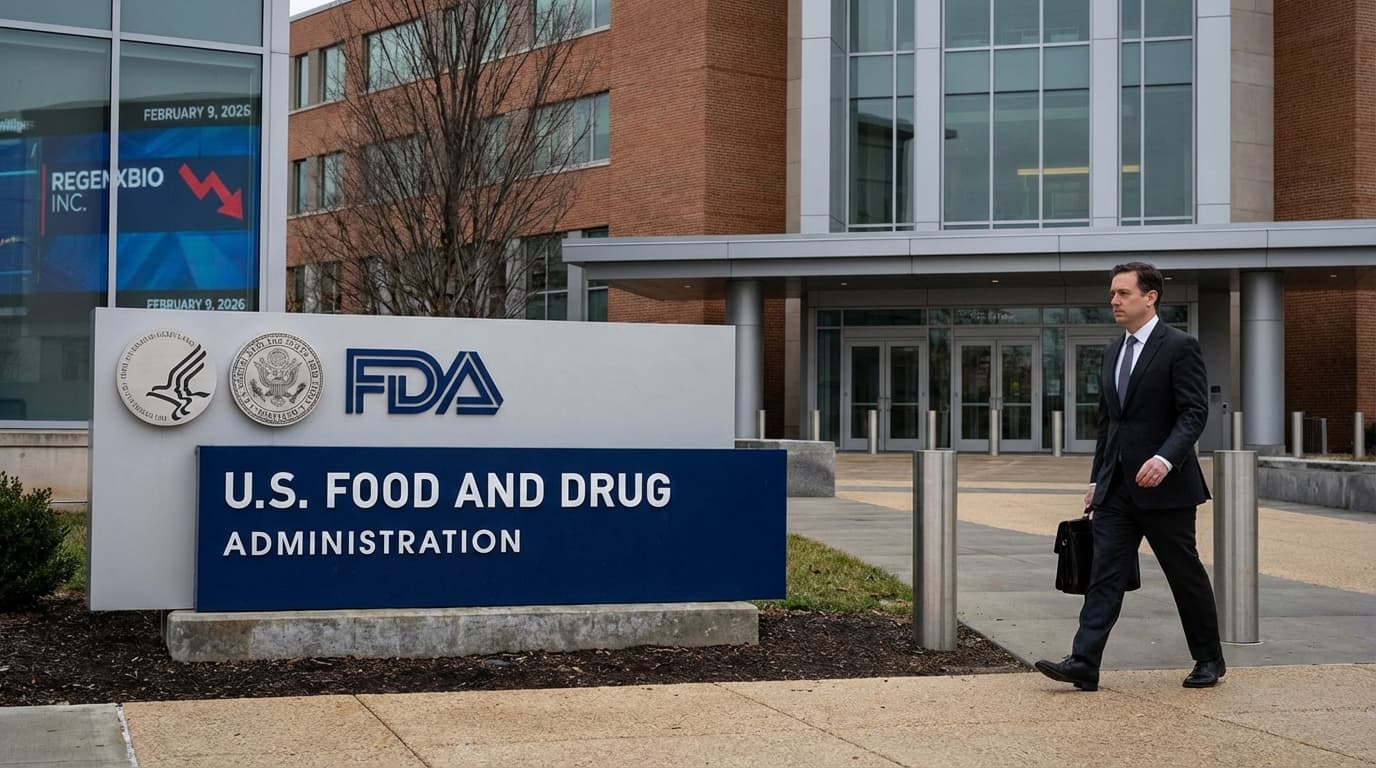
FDA Rejects Regenxbio’s Gene Therapy for Rare Diseases, Highlighting Challenges in Advanced Therapeutics

Regenxbio, a prominent biotech firm specializing in gene therapy, received a setback as the FDA rejected its application for a rare-disease treatment. This decision reflects the stringent standards and challenges that gene therapies encounter in securing regulatory approval, especially in rare disease indications.
In a significant development within the biotechnology regulatory landscape, the U.S. Food and Drug Administration (FDA) has rejected Regenxbio’s gene therapy designed for rare diseases. This announcement, made public on February 9, 2026, marks a noteworthy event that underscores both the promise and the regulatory challenges associated with advanced genetic therapies targeting rare and often debilitating disorders.
Regenxbio has been a key player in the gene therapy sector, focusing its scientific efforts on developing transformative treatments that address the underlying genetic causes of rare diseases. These conditions, often characterized by a small patient population and limited treatment options, represent a critical unmet medical need.
The FDA’s decision to reject the therapy application illustrates the high standards regulatory agencies maintain in assessing the safety, efficacy, and manufacturing quality of novel biologics. Gene therapies, by their very nature, involve complex mechanisms of action and carry unique risks, necessitating rigorous evaluation. The regulatory process aims to ensure that any approved therapy provides meaningful clinical benefit without imposing unacceptable safety concerns.
While the details of the FDA’s rejection have not been fully disclosed in the initial reports, such decisions can stem from various factors including data insufficiencies, safety signals, manufacturing inconsistencies, or concerns over clinical trial design. The complexity of gene therapies means that developers must navigate both scientific and regulatory hurdles carefully to gain approval.
For Regenxbio, this regulatory setback will likely prompt a reassessment of their clinical data and developmental strategy. The path forward may involve additional studies, enhanced manufacturing controls, or refined clinical endpoints to address the FDA’s concerns. The biotech community will be watching closely, as Regenxbio’s experience may influence broader gene therapy development paradigms.
This rejection also highlights the inherent difficulties in bringing cutting-edge therapies for rare diseases to market. Despite substantial scientific advancements, turning laboratory innovations into approved medicines remains a challenging endeavor, often requiring sustained investment and iterative development.
Furthermore, the FDA’s decision reaffirms the importance of maintaining a thorough and cautious regulatory framework that balances innovation with patient safety. As gene therapies continue to evolve, regulatory agencies worldwide are adapting their guidance to accommodate novel therapeutic modalities while preserving rigorous oversight.
The implications of this case extend beyond Regenxbio, as it offers lessons for the entire rare disease and gene therapy sectors. Developers must engage early and often with regulators, optimize trial designs, and ensure robust manufacturing standards to enhance the likelihood of successful approvals.
In conclusion, while the FDA's rejection of Regenxbio's gene therapy represents a temporary setback, it also serves as a critical checkpoint in the ongoing journey toward delivering transformative treatments for patients with rare diseases.
Source: STAT News
Join the BioIntel newsletter
Get curated biotech intelligence across AI, industry, innovation, investment, medtech, and policy—delivered to your inbox.