Hospitals Demand Better Security for Patient Record Sharing: Analyzing the Push for Enhanced Health Data Interoperability

Health systems nationwide have raised concerns regarding current vulnerabilities in the exchange of electronic health records. This article explores the motivations behind their collective appeal, the risks posed by inadequate data security, and the broader implications for patient care and regulatory reform.
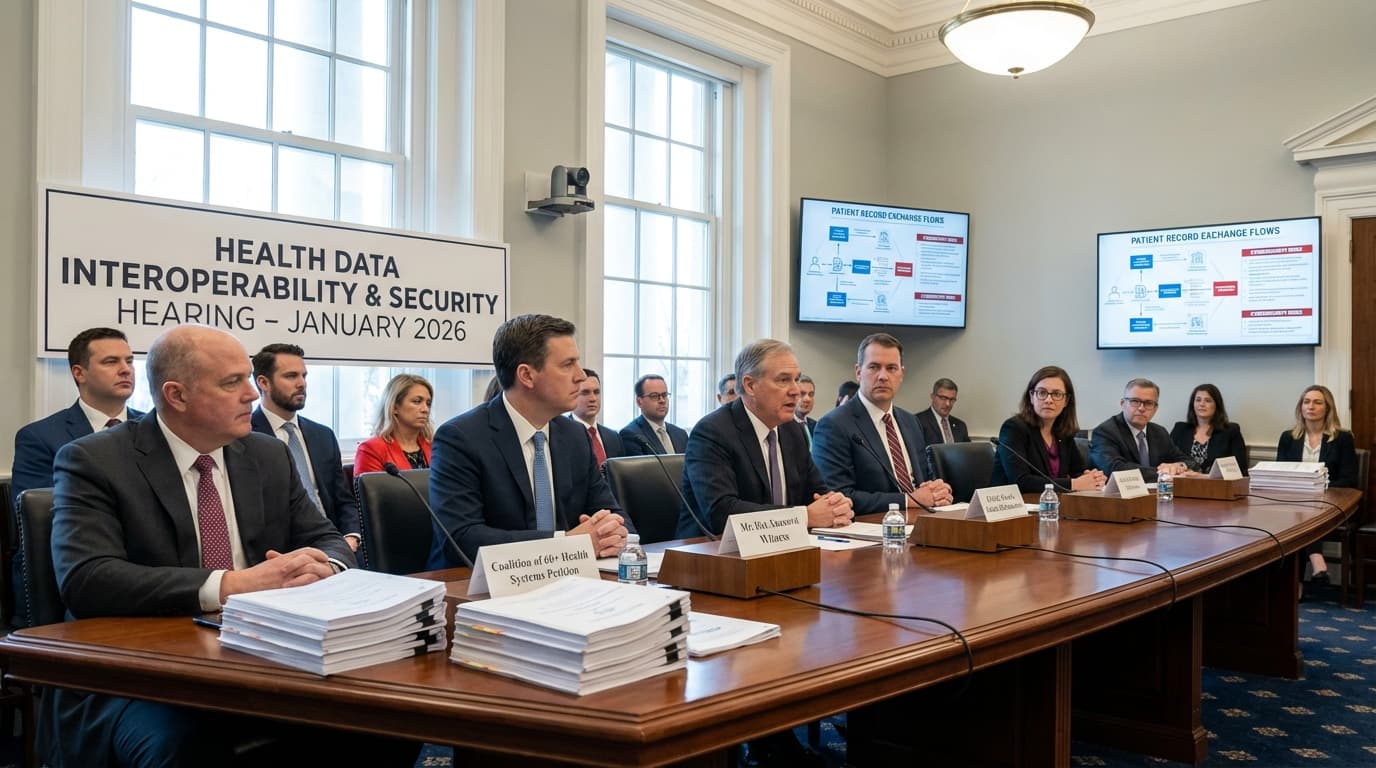
In recent developments within the healthcare sector, a coalition of over 60 health systems has formally petitioned national health record exchanges to enhance their security frameworks to protect patient information from unauthorized or malicious access. This unified call to action shines a spotlight on critical challenges surrounding health data interoperability, patient privacy, and the safeguarding of sensitive medical records in a rapidly digitizing world.
The Crucial Importance of Health Data Interoperability
Health data interoperability refers to the ability of different healthcare information systems and software applications to communicate, exchange, and use patient data seamlessly. In an era where electronic health records (EHRs) have become ubiquitous, the capacity for diverse hospital systems, clinics, laboratories, and even national registries to share information securely is foundational to efficient and high-quality medical care.
Interoperability allows clinicians to access comprehensive patient histories in real-time, facilitates timely diagnoses, supports coordinated treatments, and enhances clinical decision-making. It also reduces redundant tests and procedures, improving patient outcomes and reducing healthcare costs. However, this connectivity must be balanced with robust security measures; if not, the exchange of sensitive health data becomes a vector for privacy breaches.
Risks From “Bad Actors” in Health Data Exchange
The letter from health systems emphatically highlights the threat posed by "bad actors," a term encompassing hackers, identity thieves, and other malicious entities intent on exploiting vulnerabilities in health data infrastructure. Unauthorized access to patient records can lead to myriad harms including medical identity theft, fraud, violation of privacy rights, and potential harm to patient safety if inaccurate data are introduced or accessed.
Electronic health records often contain highly sensitive information beyond basic demographics, such as detailed medical histories, medications, laboratory results, mental health data, and genetic information. Data breaches in healthcare are particularly damaging considering the permanence and sensitivity of the information involved. Consequently, safeguarding the exchange process is paramount.
The Appeal to National Health Record Exchanges
The coordinated request by these health systems was directed at national health record exchanges — the platforms or hubs that facilitate the large-scale sharing and aggregation of health data across different organizations. While these exchanges are designed to bridge gaps across healthcare providers and enable a unified patient record, they are not immune to security lapses or systemic weaknesses.
The letter stresses the need for stricter security policies, continuous monitoring for unauthorized access, enhanced encryption standards, and adoption of best practices in cybersecurity tailored for health data environments. The collective voice of these major health entities reflects a growing awareness of cybersecurity in healthcare not merely as a technical challenge but a critical component of patient safety and trust.
Broader Context: Privacy, Policy, and Patient Care
This call for reform on interoperability security aligns with broader concerns in healthcare policy. As electronic data sharing expands, federal and state regulations continue to evolve, with frameworks such as the Health Insurance Portability and Accountability Act (HIPAA) and the 21st Century Cures Act establishing standards for privacy and information blocking, respectively.
However, critics contend that existing regulations have gaps and enforcement challenges, leaving patient data exposed. The health systems' collective demand may catalyze policy review and reforms aimed at tightening protections and ensuring compliance with robust security standards.
From a patient care perspective, effective and secure data exchange impacts the timeliness and accuracy of treatments. Healthcare providers rely increasingly on integrated data streams to make informed decisions, especially in complex cases involving multiple specialists or emergent conditions. Any breach or data loss not only compromises individual privacy but potentially disrupts the continuum of care.
Future Directions and Considerations
Looking forward, the healthcare ecosystem faces the dual imperative of advancing interoperability while fortifying defenses against cyber risks. Innovations such as blockchain technology for immutable audit trails, artificial intelligence for anomaly detection, and multi-factor authentication protocols have been proposed and piloted to varying extents.
Stakeholders including patients, providers, policymakers, and technology vendors must also engage collaboratively to define standards that prioritize security without compromising accessibility. Transparency around data use policies and patient consent mechanisms remains equally critical to maintain trust.
Overall, the appeal from health systems serves as a timely reminder that as digital transformation accelerates in healthcare, robust safeguards must evolve in parallel to protect the very individuals the system aims to serve—patients.
For more detailed insights on this pivotal health data security issue, the original letter and ongoing dialogue with national health record exchanges can be found at STAT News.
Note: This article has been written with a neutral and independent tone, reflecting diverse perspectives on data interoperability and healthcare security challenges. The discussion is grounded in current healthcare dynamics with a focus on analytical overview rather than advocacy or promotional content.
Join the BioIntel newsletter
Get curated biotech intelligence across AI, industry, innovation, investment, medtech, and policy—delivered to your inbox.