Lawmakers Grill Health Insurance CEOs: 4 Key Takeaways

Amid rising healthcare expenses and growing scrutiny, lawmakers conducted two House hearings to interrogate health insurance CEOs. The discussions revealed key insights into the industry's stance on cost drivers, structural market dynamics, and administrative hurdles that affect patient care and system efficiency.
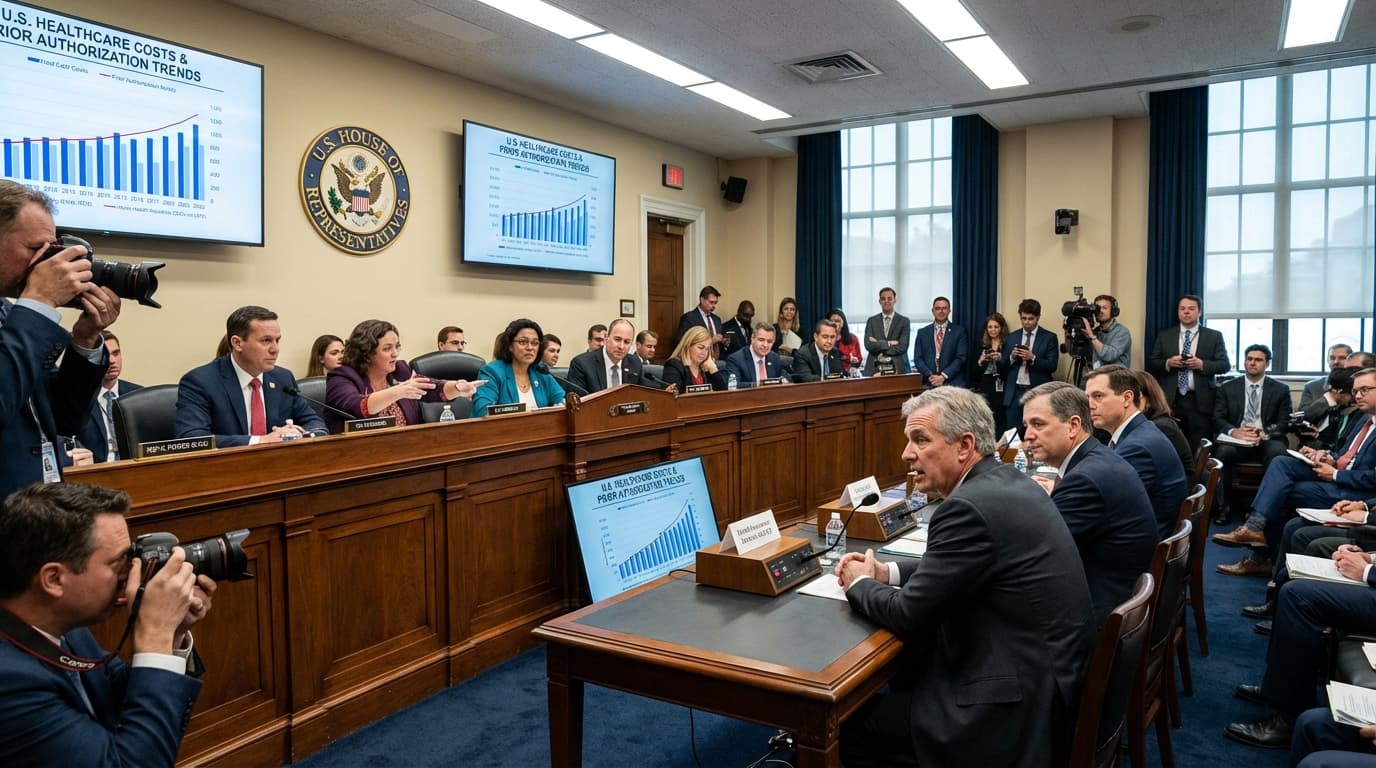
In early 2026, two pivotal House hearings convened with top health insurance CEOs as primary witnesses to discuss critical issues facing the U.S. healthcare system. These hearings come against the backdrop of ongoing concerns about the rising costs of healthcare, complex insurance practices, and the impact on patients and providers.
The sessions focused on several thematic areas that underscore the multifaceted challenges in healthcare finance and delivery. Key themes included the role of vertical integration within the industry, which involves insurers merging or partnering with healthcare providers to form consolidated care networks. Lawmakers also pressed the CEOs on the widespread use of prior authorizations — a process requiring provider approval before certain treatments or medications are covered — which is often criticized for delaying timely access to care.
One of the salient takeaways highlighted by experts and lawmakers alike was the complexity insurers face in managing costs amidst an evolving landscape marked by technological innovation and changing care models. However, there remains healthy skepticism about how these cost-containment strategies translate to actual savings for patients.
Vertical integration, often justified by insurers as a means to improve care coordination and cost efficiency, is being scrutinized for potentially contributing to higher prices due to reduced market competition. The hearings examined whether the consolidated market power of integrated entities ultimately benefits consumers or disadvantages them by limiting choices.
Prior authorization was another focal point of inquiry. Lawmakers raised concerns that this administrative step, while intended to prevent inappropriate or unnecessary care, can lead to delays and added burdens on both healthcare providers and patients. The CEOs acknowledged the need for streamlined prior authorization processes but underscored the necessity of such measures to control utilization and costs.
The hearings also navigated the debate over responsibility for high healthcare spending. Insurers pointed to the costs driven by hospitals, pharmaceutical companies, and physician services, emphasizing a shared responsibility across the healthcare ecosystem. Meanwhile, lawmakers pressed for greater transparency and accountability from all stakeholders to rein in unsustainable spending trajectories.
Experts observing the hearings noted the challenges of balancing regulatory oversight with the preservation of market dynamics that incentivize innovation and efficiency. There was consensus around the need for comprehensive policy approaches to address systemic issues rather than piecemeal interventions.
In summary, the 2026 House hearings put health insurance CEOs under a critical spotlight, yielding insights that will inform ongoing debates about healthcare affordability, system structure, and regulatory reform. The dialogue reflects a broader societal imperative to reconcile the needs of patients, providers, insurers, and policymakers in crafting a healthcare system that delivers value, accessibility, and sustainability.
For further details on the hearings and comprehensive analysis, visit the original reporting at MedCity News: Lawmakers Grill Health Insurance CEOs: 4 Key Takeaways.
Join the BioIntel newsletter
Get curated biotech intelligence across AI, industry, innovation, investment, medtech, and policy—delivered to your inbox.