Moderna’s mRNA Flu Vaccine Rejection Sheds Light on Regulatory Divergence in Advanced Therapies

Moderna's recent mRNA vaccine rejection by the FDA spotlights the challenging and shifting regulatory landscape in the United States for novel drug modalities. Meanwhile, regulatory agencies in other countries are adopting more streamlined communication and approval paths, facilitating faster adoption of advanced therapies. This post examines the implications of these regulatory dynamics for the broader advanced therapies market and global drug development strategies.
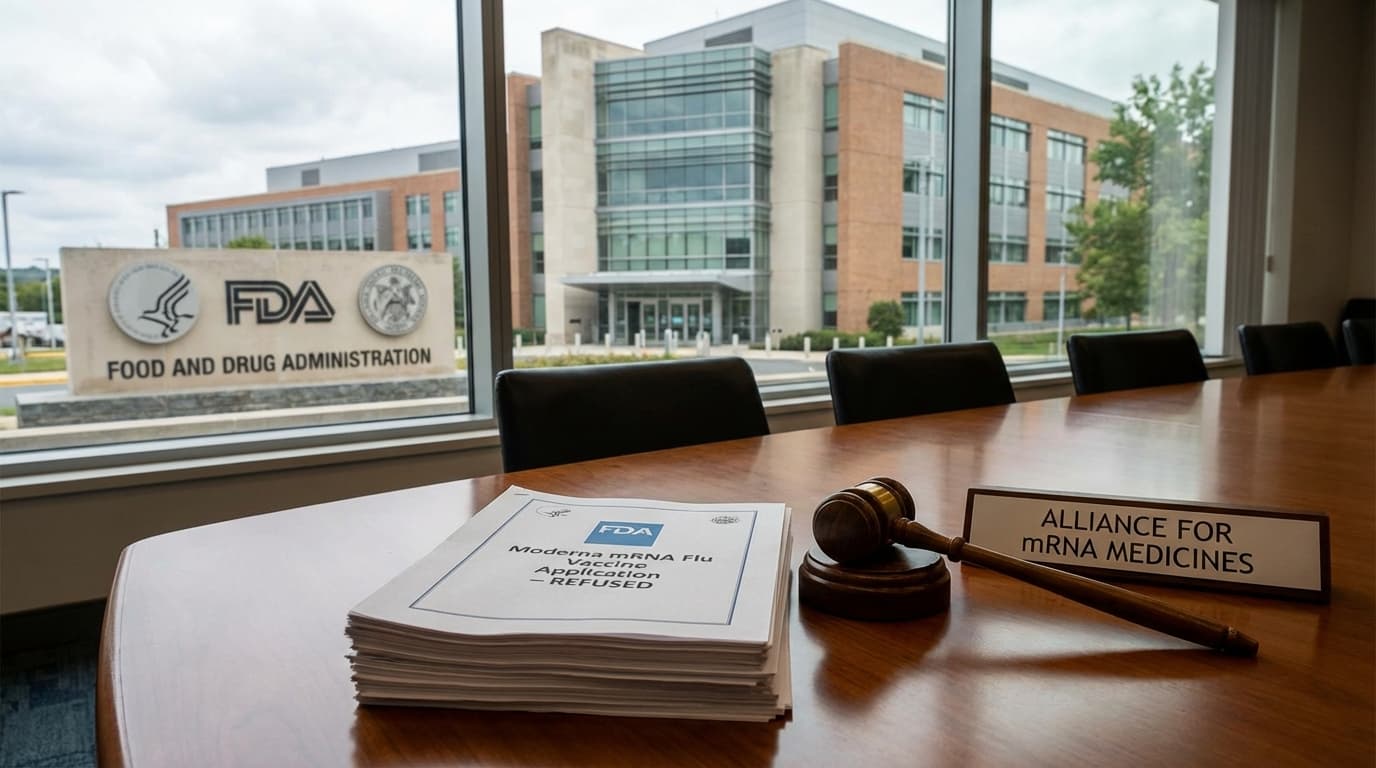
The rapid evolution of mRNA technology has ushered in a new era of therapeutic innovation, promising more effective vaccines and treatments for a variety of diseases. Moderna, a pioneer in this domain, recently faced a setback when the U.S. Food and Drug Administration (FDA) declined to review its mRNA-based influenza vaccine application. This decision has resonated deeply within the biotech and pharmaceutical communities, sparking discussion on the regulatory environment's impact on innovation and patient access.
According to the executive director of the Alliance for mRNA Medicines, the FDA’s refusal reflects a "disturbing pattern" of shifting regulatory goalposts which create uncertainty for companies investing in next-generation biologics. The rejection stands in stark contrast to the regulatory climate in multiple global markets, where agencies have implemented streamlined communication channels with developers, allowing quicker and more predictable pathways for the approval of novel therapeutic modalities.
The FDA’s stringent regulatory approach signals several broader trends affecting the advanced therapies sector. Firstly, the regulatory framework, traditionally designed around small molecule drugs and conventional biologics, struggles to adapt to the unique characteristics of mRNA and genetic medicines, leading to protracted review timelines and increased development risk.
Secondly, evolving safety and efficacy assessment criteria, especially for first-in-class modalities, require clearer guidance and international harmonization. Without such alignment, companies may pivot clinical development toward more favorable regions, potentially disadvantaging U.S. patients in accessing breakthrough treatments.
Furthermore, this scenario underscores the importance of global regulatory cooperation and the establishment of adaptive frameworks that balance rigorous safety oversight with the need to expedite life-saving innovations. Collaborations among regulatory bodies, industry stakeholders, and patient advocacy groups are crucial in shaping policies that foster sustainable innovation.
In summary, Moderna’s recent regulatory hurdle exemplifies the tension between innovation and regulation in advanced therapeutics. Addressing this challenge demands proactive policy reforms and enhanced dialogue to ensure that the promise of mRNA technology and other advanced modalities translates into timely patient benefit.
Join the BioIntel newsletter
Get curated biotech intelligence across AI, industry, innovation, investment, medtech, and policy—delivered to your inbox.