The Movement Toward Pricing Transparency in the Pharmaceutical Industry

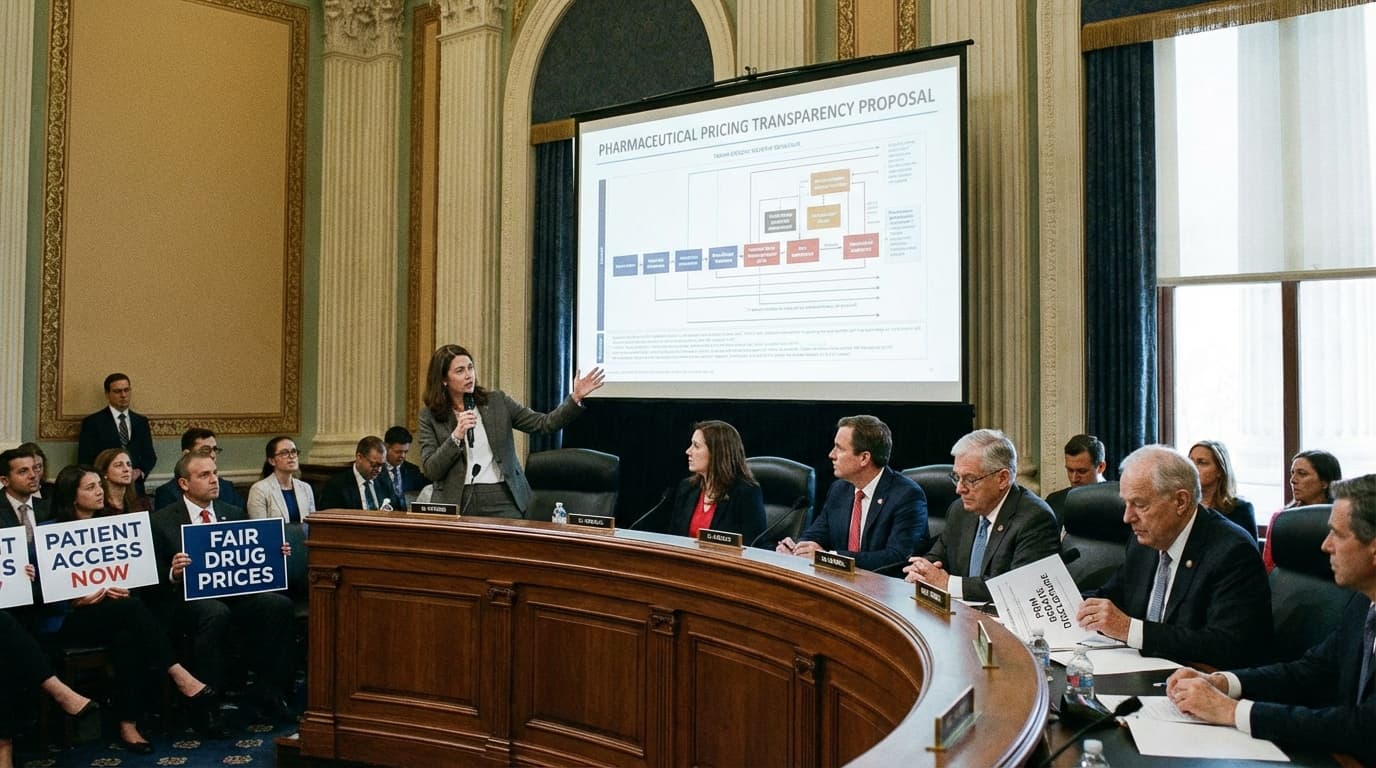
Pharmaceutical companies face growing pressure to openly disclose drug pricing decisions and rebate structures. This shift towards transparency is driven by calls for credibility and fairness in an industry historically opaque about costs, affecting stakeholder trust and regulatory scrutiny.
Drug pricing has long been a contentious issue within healthcare systems globally, with calls for transparency intensifying amid concerns about affordability and patient access. The pharmaceutical industry, historically characterized by opaque pricing mechanisms, is entering an era where pricing transparency is becoming an unavoidable expectation.
This growing movement is evidenced by proposed regulatory changes and evolving industry norms that push for clearer disclosure of drug development costs, pricing strategies, and rebate structures. The increasing scrutiny arises from multiple stakeholders, including policymakers, payers, healthcare providers, and patient advocacy groups, all seeking to understand the rationale behind pricing decisions and their impact on healthcare costs.
One notable trend involves regulatory proposals that would require Pharmacy Benefit Managers (PBMs) and drug manufacturers to disclose rebates and fees that have traditionally been kept confidential. Such measures are designed to illuminate the complex financial interplay in drug distribution and reimbursement, which often disconnects list prices from actual out-of-pocket costs for patients.
Biopharmaceutical companies are recognizing that embracing pricing transparency can serve as a strategic move to build or restore credibility with the public and policymakers. Transparent communication about pricing can help differentiate responsible pricing models from those perceived as exploitative, fostering trust and potentially influencing policy formation.
However, this transition poses practical challenges, including balancing commercial confidentiality, competitive dynamics, and regulatory compliance. Companies must manage the risk of revealing sensitive information while providing sufficient detail to satisfy transparency requirements.
On the patient front, increased transparency can empower consumers to make more informed decisions about their treatments, though it also highlights the complexity of drug pricing mechanisms which require further education and support for meaningful engagement.
The broader impact of pricing transparency will likely include shifts in negotiation dynamics among payers and pharmaceutical companies, changes in formulary design, and increased pressure for value-based pricing models that link drug costs to clinical outcomes.
Ultimately, the push toward pricing transparency reflects a broader societal demand for accountability and fairness in healthcare. As the pharmaceutical landscape evolves, companies willing to adapt to these expectations may enhance their reputations and contribute to more sustainable healthcare ecosystems.
For further insights on the evolving landscape of pricing transparency in pharma, see the opinion piece from BioSpace: Pricing Transparency Is Coming to the Pharma Industry.
Join the BioIntel newsletter
Get curated biotech intelligence across AI, industry, innovation, investment, medtech, and policy—delivered to your inbox.