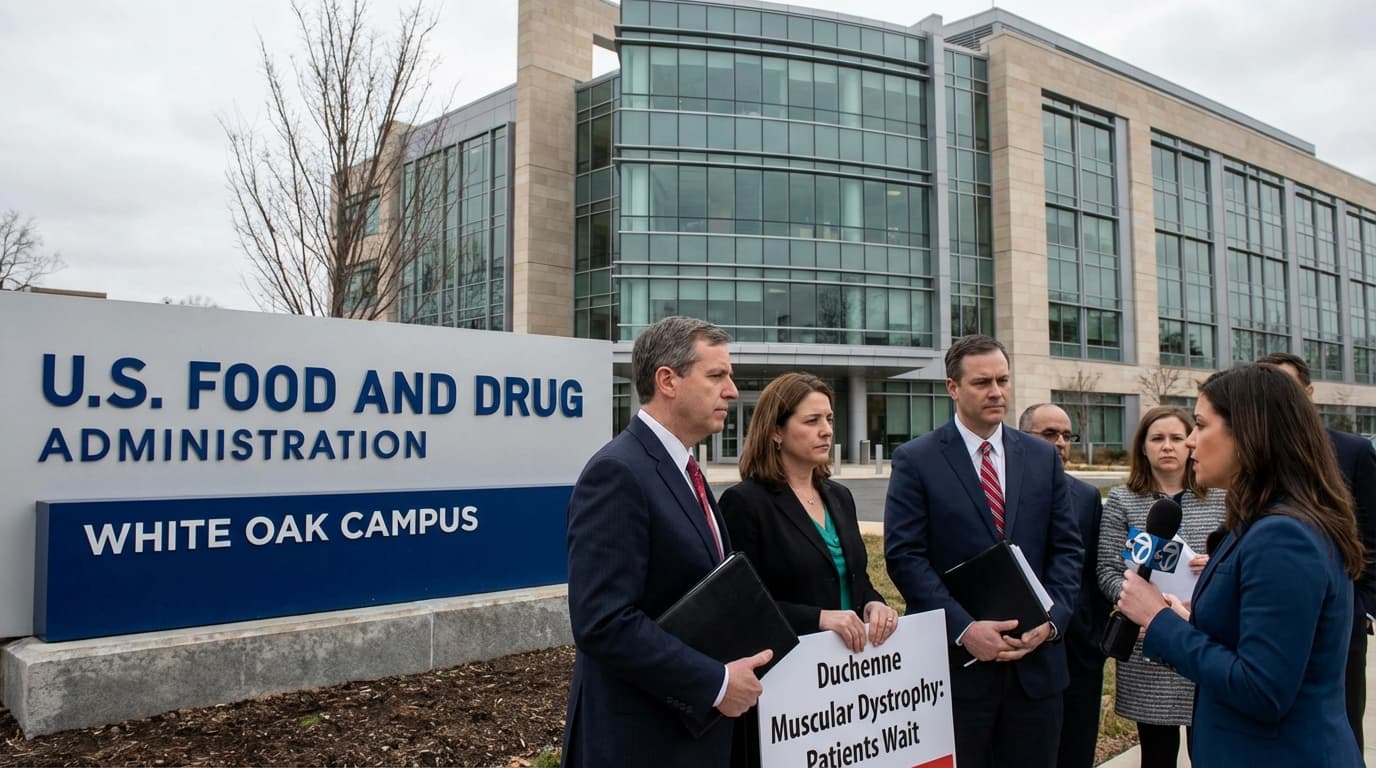
PTC Therapeutics Withdraws FDA Approval Bid for Duchenne Muscular Dystrophy Treatment

PTC Therapeutics announced it will no longer pursue FDA approval for Translarna, a rare disease drug targeting Duchenne muscular dystrophy. This decision follows a year marked by regulatory hurdles starting with a negative ruling from European authorities. The company cited significant discrepancies with the FDA over the interpretation of clinical trial results as the primary cause for withdrawal.
PTC Therapeutics has officially ended its efforts to obtain U.S. Food and Drug Administration (FDA) approval for Translarna, a treatment aimed at managing Duchenne muscular dystrophy (DMD), one of the most challenging and rare muscle diseases. This move signifies a significant setback in the landscape of rare disease therapeutics, illustrating the complexities biotech companies face when navigating the stringent demands of regulatory agencies.
Duchenne muscular dystrophy is a severe and progressive genetic disorder characterized by muscle degeneration and weakness primarily affecting boys. Translarna was envisioned as a novel treatment option designed to modify the course of this debilitating disease by targeting the underlying genetic causes.
The decision by PTC Therapeutics to withdraw the FDA submission arose after lengthy and detailed discussions with the agency regarding clinical trial data. The company revealed that it was unable to reconcile its interpretation of the trial results with that of the FDA, leading to an impasse that could not be resolved through further negotiation or additional data.
Regulatory challenges with Translarna are not new. Approximately a year earlier, a similar application faced a negative decision from European regulators, compounding the difficulties the drug has encountered in securing market approval globally. These consecutive regulatory setbacks highlight ongoing challenges in the evaluation and approval of treatments for rare diseases, where clinical trial designs often involve limited patient populations and where the interpretation of efficacy signals can be nuanced.
This withdrawal is more than just a corporate decision; it reflects broader issues at the intersection of drug development science and regulatory oversight. The FDA's rigorous standards are essential to ensuring safety and efficacy, yet they also pose formidable obstacles for innovative therapies addressing rare conditions. PTC Therapeutics' experience underscores the need for continued dialogue and collaboration between drug developers and regulators to refine pathways that can accelerate approval while maintaining high scientific and ethical standards.
The impact of this development extends beyond the company and the drug itself. Families affected by Duchenne muscular dystrophy continue to await more effective treatment options, and delays or failures in drug approval processes can have profound real-world consequences for patients desperately seeking hope.
Looking forward, PTC Therapeutics may reassess its strategy in light of this decision, potentially exploring alternative regulatory pathways, additional data collection, or modifications to its clinical trial approach. Meanwhile, the case serves as an instructive example for the biopharmaceutical industry, illustrating the critical importance of clear and shared understanding of clinical data in the drug approval process.
In summary, the withdrawal of Translarna's FDA application by PTC Therapeutics marks a pivotal moment in rare disease drug development, calling attention to the delicate balance between scientific innovation and regulatory scrutiny. It is a testament to the complex landscape faced by companies striving to bring new therapies to vulnerable patient populations under the watchful eyes of global health authorities.
For detailed information, please refer to the original source: MedCity News.
Join the BioIntel newsletter
Get curated biotech intelligence across AI, industry, innovation, investment, medtech, and policy—delivered to your inbox.