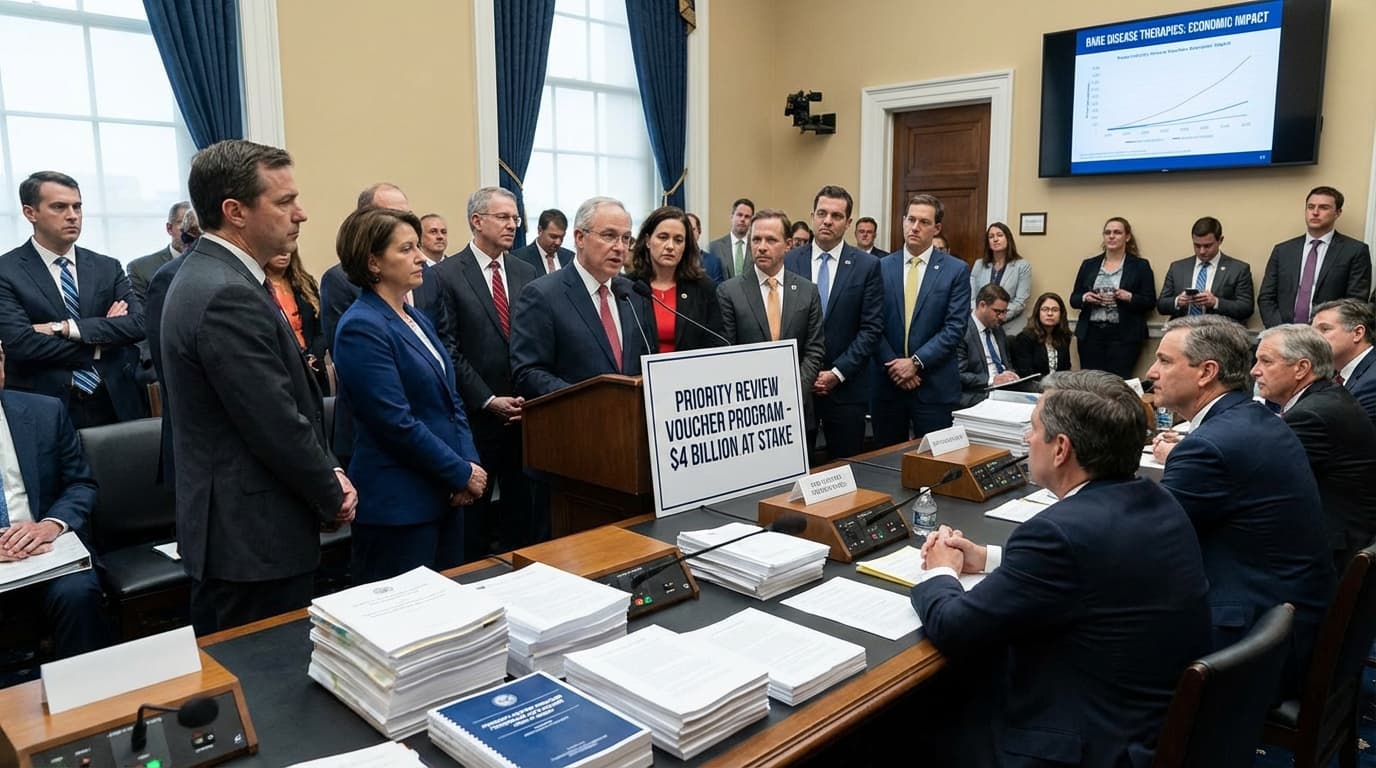
Rare Disease Biotechs Face $4 Billion Loss if Priority Voucher Program Is Not Reinstated

The pediatric priority review voucher program has been a crucial incentive for biotechs developing therapies for rare diseases, especially those affecting children. The program's lapse puts at risk significant financial and developmental momentum in the sector, with ramifications for patients and companies alike.
The pediatric priority review voucher (PRV) program, designed to incentivize the development of treatments for rare pediatric diseases, has been a significant driver in the advancement of therapies for underserved patient populations. However, a recent analysis by the Rare Disease Company Coalition highlights a critical turning point: if the program is not reinstated, approximately 200 rare disease therapies currently in development may lose eligibility for these valuable vouchers, translating into an estimated $4 billion loss in revenue for rare disease biotechs.
Background of the Priority Review Voucher Program
The PRV program was established to encourage pharmaceutical and biotechnology companies to invest in treatments for rare diseases, conditions that often receive less commercial interest due to small patient populations and high development costs. Under this program, developers of qualifying rare pediatric disease therapies receive a priority review voucher that can expedite their next drug application through the FDA's review process. These vouchers are transferable and have been sold for substantial sums, providing a financial incentive that balances the high risks of rare disease drug development.
By enabling faster regulatory approvals and offering a tradable asset, the PRV program has been instrumental in supporting innovation in the rare disease space. It has helped bridge funding gaps and motivated companies to pursue treatments that otherwise might not reach the market.
The Impact on Rare Disease Biotechnology Companies
Rare disease biotechs operate under unique challenges: limited patient populations, high R&D expenses, complex clinical trial designs, and often, a scarcity of comprehensive data. The pediatric PRV offers a form of risk mitigation, giving companies a potential revenue stream beyond the immediate market for the therapy itself.
Losing access to the PRV program would eliminate this critical financial safety net, potentially halting or delaying ongoing drug development programs. For many smaller biotechs, which are already grappling with limited cash reserves and investment constraints, the absence of the voucher program could translate into the shelving of promising therapies.
Broader Implications for the Rare Disease Ecosystem
Beyond individual companies, the lapse of the PRV program could slow the overall pace of innovation in rare diseases, where treatment options remain scarce for many conditions. Patients and families affected by these conditions stand to lose hope as the pipeline for new therapies diminishes.
The potential $4 billion loss in projected revenue also raises concerns about the long-term economic viability of focusing on rare disease drug development. Invested stakeholders, including venture capitalists, pharmaceutical firms, and policy makers, might reconsider resource allocation, altering the entire landscape.
Policy Challenges and The Path Forward
The PRV program lapsed without renewal in 2024, leaving advocates and industry groups actively campaigning for its reinstatement. The recent passage of a $1.2 trillion spending bill by the House provides some optimism, but the ultimate decision now rests with the Senate.
Renewing the program is not without its controversies and political hurdles. Critics argue about budget implications and the appropriateness of incentivizing drug approvals through transferable vouchers. Meanwhile, proponents emphasize the program's role in addressing unmet medical needs in pediatric populations.
Conclusion
The pediatric priority review voucher program has unquestionably been a critical policy tool in facilitating innovation within the rare disease biotechnology sector. Its impending lapse threatens not only significant financial losses for companies but also risks slowing the delivery of essential therapies to underserved patient populations. As stakeholders await further legislative actions, the situation underscores the delicate balance between regulatory incentives and public health objectives. The future of rare disease treatment development may well hinge on the decisions made regarding this vital program.
Source: Rare Disease Biotechs Stand To Lose $4B if Priority Voucher Program Not Reinstated: Report
Join the BioIntel newsletter
Get curated biotech intelligence across AI, industry, innovation, investment, medtech, and policy—delivered to your inbox.