Syphilis Cases Surge Among Pregnant People: Public Health Challenges and Responses

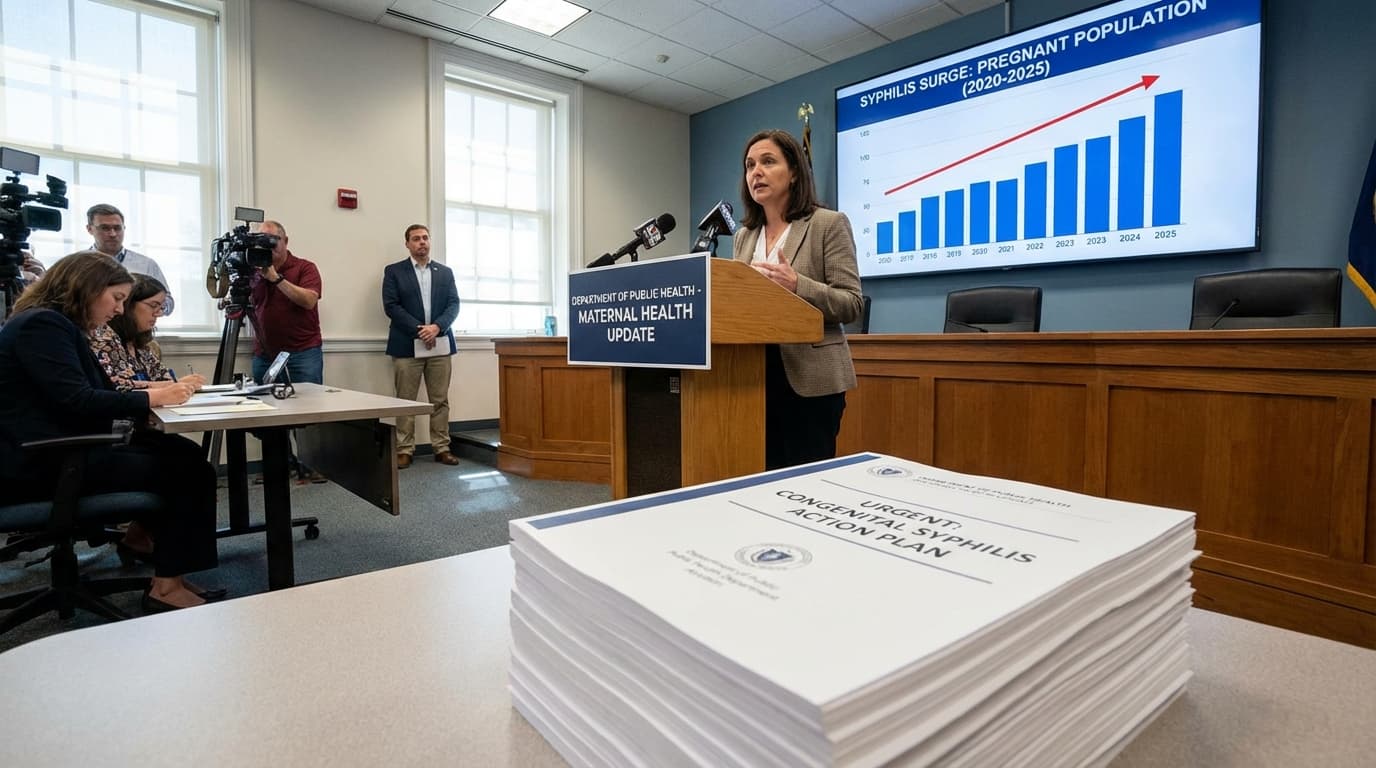
Recent data indicate a troubling surge in syphilis infections among pregnant populations. This escalation poses serious risks to both maternal and infant health, demanding urgent attention to screening, prevention, and treatment practices in healthcare settings.
Syphilis, a sexually transmitted infection caused by the bacterium Treponema pallidum, is seeing a marked increase among pregnant people, according to recent health news reports. This rise presents significant public health concerns given the potential severe consequences of syphilis infection during pregnancy, including stillbirth, neonatal death, and congenital syphilis which can cause lifelong disabilities in infants.
Trends and Epidemiology
Recent surveillance data highlight that syphilis cases in pregnant populations have soared, reversing previous public health gains made through effective screening and treatment programs. Various factors may contribute to this resurgence, including limitations in access to prenatal care, socioeconomic disparities, and possibly changes in sexual behavior or healthcare delivery systems.
Clinical and Public Health Implications
The impact of syphilis during pregnancy is profound. Untreated maternal syphilis can lead to miscarriage, premature birth, and infants born with congenital syphilis who may experience severe health problems such as neurological impairment, bone deformities, or organ damage.
The infection is typically treatable with penicillin, but timely diagnosis during pregnancy is critical. However, the rising rates suggest gaps in screening or treatment follow-through, underscoring challenges within maternal health services.
Challenges in Addressing the Rise
Several challenges impede efforts to control syphilis in pregnant people:
- Screening Limitations: Despite recommendations for universal syphilis screening during pregnancy, some patients may lack access or may not receive timely testing.
- Treatment Barriers: Even when diagnosed, barriers such as delayed treatment initiation, inadequate follow-up, or antibiotic shortages may hinder effective management.
- Social Determinants: Factors like poverty, unstable housing, lack of education, and stigma may reduce engagement with prenatal care.
Prevention and Intervention Strategies
To curb the increase, multifaceted strategies are necessary:
- Enhanced Screening Programs: Strengthening universal and repeated screening protocols during pregnancy can improve early detection.
- Improved Access to Care: Expanding prenatal healthcare access, especially in underserved communities, is essential.
- Public Health Campaigns: Education to raise awareness about the risks of syphilis and the importance of prenatal care can increase patient engagement.
- Partner Notification and Treatment: Treating sexual partners is critical to prevent reinfection and further transmission.
Policy and Future Directions
Addressing this trend effectively requires coordinated public health and clinical actions. Policymakers must consider funding for expanded screening, improved access to maternal healthcare services, and support for health education initiatives.
Research into barriers experienced by various demographics will help tailor interventions effectively. Continued monitoring of syphilis epidemiology will be vital to measuring the impact of new strategies.
Conclusion
The surge of syphilis among pregnant people signals a pressing public health challenge impacting both mothers and newborns. It necessitates robust screening, comprehensive treatment access, and targeted prevention efforts to reverse this concerning trend and safeguard maternal and child health.
Join the BioIntel newsletter
Get curated biotech intelligence across AI, industry, innovation, investment, medtech, and policy—delivered to your inbox.