Trump’s Addiction Initiative: Bold Vision with Sparse Details on a National Crisis

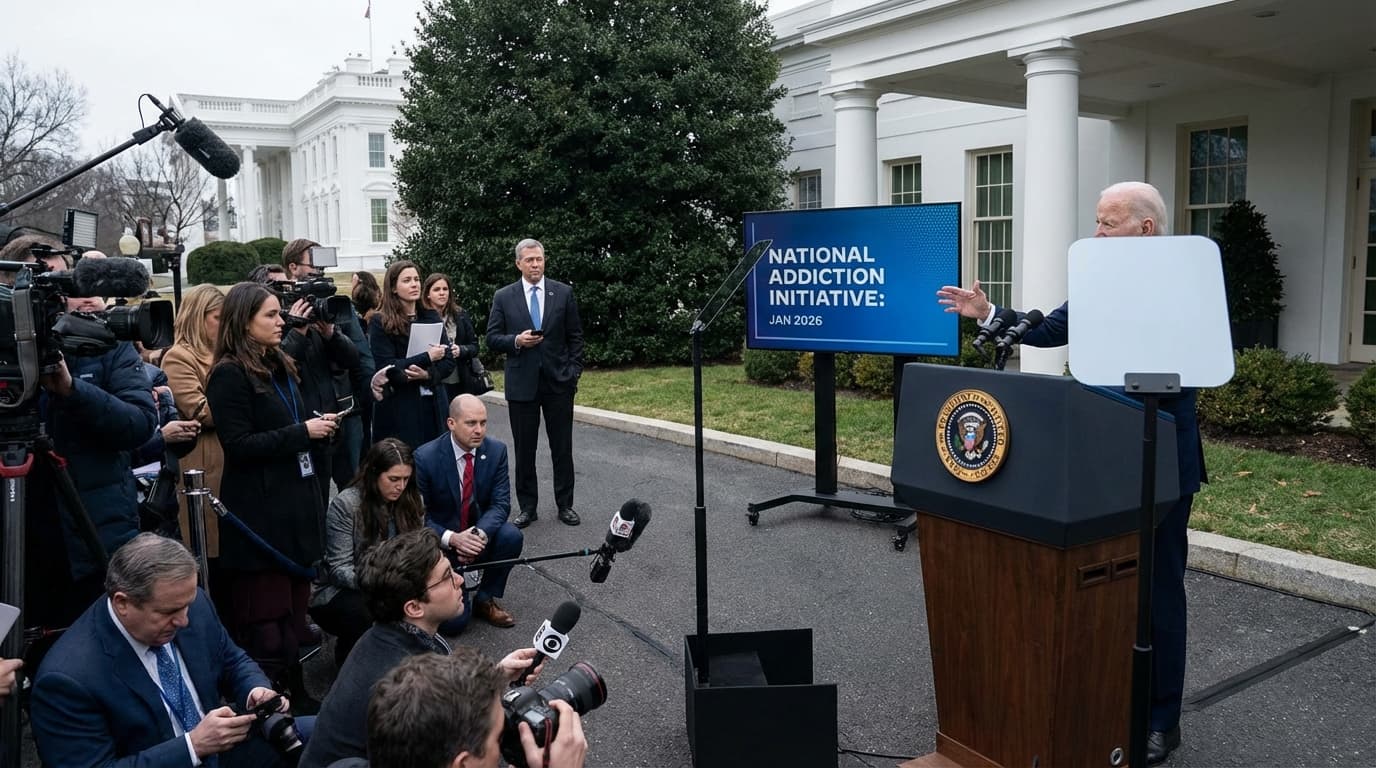
On January 29, 2026, the White House unveiled a fresh, ambitious effort to streamline the country’s approach to addiction. While the rhetoric marks a strong commitment to tackling drug and alcohol misuse, key specifics needed to evaluate the initiative’s potential impact remain unclear. This article explores the context, potential implications, and challenges of this new policy approach.
Introduction
On January 29, 2026, the White House announced a new initiative aimed at combating the persistent and devastating epidemics of drug and alcohol addiction in the United States. The announcement represents a bold rhetorical commitment to reshape and streamline the national response to these public health crises. However, public reaction to the unveiling highlighted a significant shortfall: the announcement was notably sparse on specifics, raising questions about how policy makers plan to translate this vision into effective action.
Background on Addiction Epidemic
Addiction to drugs and alcohol has long been a major public health challenge in the U.S., contributing to high rates of overdose deaths, chronic health conditions, and societal costs measured in billions of dollars annually. Previous efforts by various federal and state agencies have sought to address aspects of prevention, treatment, and recovery support with mixed results.
The ongoing opioid epidemic, increased availability of stimulants, and enduring alcohol use disorders underscore the urgent need for innovative, coordinated, and adequately funded solutions. Within this context, the Trump administration's new initiative aims to bring a fresh perspective and renewed urgency.
Overview of the Initiative Announcement
According to reports from STAT News, the announcement centered on streamlining federal efforts to reduce duplication and enhance the effectiveness of drug and alcohol addiction programs. President Trump’s administration positioned the initiative as a way to coordinate efforts across agencies, improve access to evidence-based treatment options, and expand prevention strategies.
However, the communication did not outline the concrete measures, funding mechanisms, or timelines essential for implementation. Detailed discussions on partnerships with state governments, private sector collaborations, or specific regulatory changes were notably absent.
Policy and Practical Implications
The lack of detailed information complicates expert and stakeholder analysis of the initiative's likely success. Effective addiction policy requires integration of public health approaches, criminal justice reform, harm reduction practices, and robust treatment infrastructure.
Without clarity on the proposed operational framework, questions remain about how this initiative will navigate these complex dimensions and address systemic barriers such as insurance coverage limits, stigma, and workforce shortages.
National and Political Context
This initiative also emerges amid ongoing political debates about healthcare priorities, funding allocations, and social policy approaches to addiction and mental health. The Trump administration’s emphasis on bold rhetoric reflects an intent to provide visionary leadership, yet the immediate political landscape demands actionable and transparent plans to gain bipartisan support and public trust.
Conclusion
The unveiling of the White House’s addiction initiative on January 29, 2026, signals a renewed commitment to tackling one of the most pressing public health challenges in the U.S. Nonetheless, the initiative’s current lack of detail limits the ability of policymakers, healthcare professionals, and the public to fully assess its potential impact. Moving forward, the success of this effort will hinge on comprehensive strategies built on evidence-based practices, committed financing, and multi-sector collaboration.
This article is based on information from STAT News: Trump’s addiction initiative brings bold rhetoric but few details
Join the BioIntel newsletter
Get curated biotech intelligence across AI, industry, innovation, investment, medtech, and policy—delivered to your inbox.