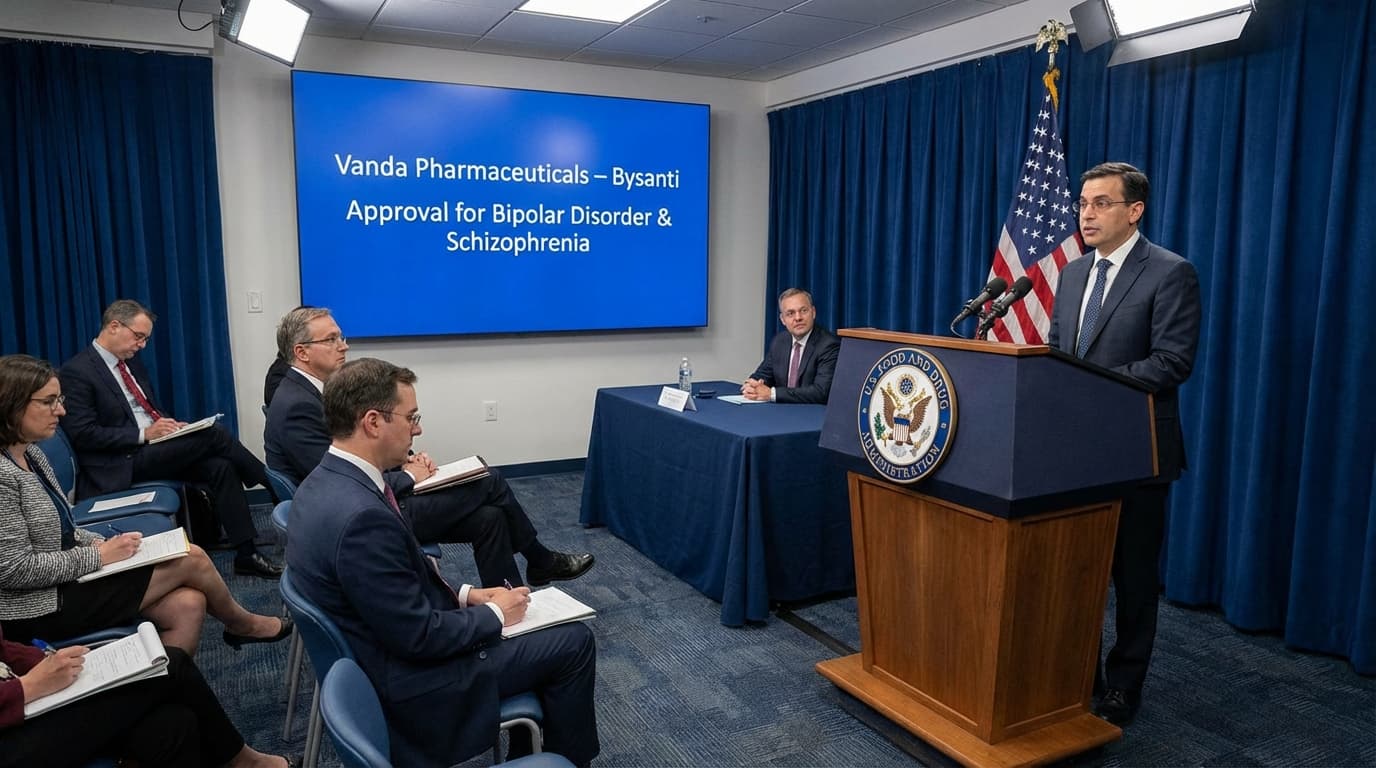
Vanda Pharmaceuticals Secures FDA Approval for Bipolar and Schizophrenia Drug After Previous Setback

Bysanti, based on the active metabolite iloperidone of a core compound originally found in Fanapt, marks an important regulatory milestone for Vanda. This approval reflects both the company’s perseverance in drug development and the FDA’s evaluation of unmet needs in psychiatric disorders.
The regulatory journey for Vanda Pharmaceuticals recently reached a positive turning point with the FDA granting approval for Bysanti to treat bipolar disorder and schizophrenia. This development follows an earlier setback when another Vanda candidate drug aimed at treating jet lag was rejected by the agency, underscoring the unpredictable nature of pharmaceutical regulatory landscapes.
Drug Background
Bysanti is chemically related to iloperidone, an active metabolite of a compound central to Vanda’s portfolio, notably Fanapt. Fanapt itself is an established antipsychotic drug used for the treatment of schizophrenia. The development of Bysanti represents a strategic effort to build upon and refine this therapeutic lineage, aiming to deliver improved efficacy or safety profiles for patients with severe psychiatric conditions.
Clinical and Regulatory Pathway
The FDA approval of Bysanti reflects rigorous clinical evaluation encompassing safety and efficacy for the targeted psychiatric disorders. Bipolar disorder and schizophrenia are complex, chronic mental health conditions that present significant treatment challenges, including symptom management and minimizing side effects of medications. By gaining regulatory clearance, Bysanti provides an additional treatment option for clinicians and patients navigating these difficult diseases.
This approval also highlights a notable rebound from the agency’s prior decision to reject Vanda’s jet lag drug candidate. Regulatory bodies typically assess novel drug applications on a case-by-case basis, considering the robustness of clinical data, unmet medical needs, and risk-benefit profiles unique to each indication.
Market and Patient Impact
Introduction of Bysanti to the therapeutic arsenal may influence prescribing practices by offering an alternative option potentially differentiated by pharmacokinetics, side effect profile, or patient tolerability. In the broader landscape, expanding treatment options helps to address the heterogeneity of patient responses seen in psychiatric disorders.
Furthermore, Vanda Pharmaceuticals may leverage this approval to strengthen its market position and investor confidence following earlier developmental disappointments. The company’s resilience demonstrates the iterative nature of pharmaceutical innovation, where setbacks often precede successes.
Broader Implications for Psychiatric Therapeutics
Mental health disorders like bipolar disorder and schizophrenia impose a considerable disease burden globally. Advances in drug development, regulatory science, and clinical care are essential to improving patient outcomes. The case of Bysanti exemplifies how incremental improvements and strategic development can contribute meaningfully to this evolving field.
Conclusion
Vanda Pharmaceuticals' FDA approval for Bysanti manifests a pivotal advancement in psychiatric drug development, particularly after a prior rejection in an unrelated indication. It provides hope for patients and clinicians seeking novel effective therapies for bipolar disorder and schizophrenia.
The approval narrative also emphasizes the critical role of regulatory agencies in balancing innovation with patient safety to ensure that new drugs meet the highest standards before entering the market.
For comprehensive details on this regulatory milestone, refer to the original source.
Join the BioIntel newsletter
Get curated biotech intelligence across AI, industry, innovation, investment, medtech, and policy—delivered to your inbox.